Loading...
Julius Caesar vs Nevsehirli Damat Ibrahim
Julius Caesar leads by 17.7 pts · 2 figures compared
…
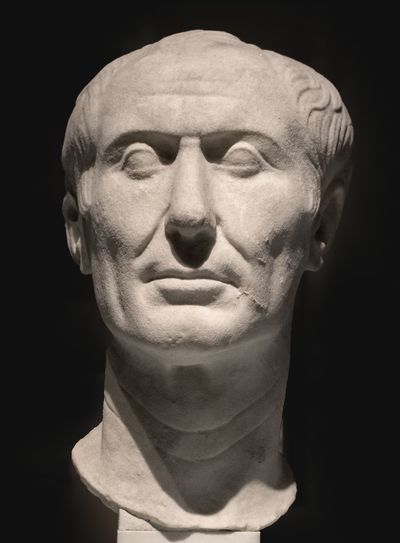
Julius Caesar
General · Ancient
83.3Total

Nevsehirli Damat Ibrahim
Politician · Modern
65.6Total
Basic Information
Born
-100
1666
Died
-44
1730
Era
Ancient
Modern
Nationality
Roman Republic
Ottoman Empire
Occupation
General
Politician
Civilization
Western
Middle Eastern
Score Comparison
Military (10%)
88.0
28.0
Political (20%)
78.0
68.7
Influence (20%)
85.0
73.9
Legacy (20%)
82.0
63.5
Leadership (15%)
82.0
83.7
Strategy (15%)
88.0
59.9
TOTAL
83.3
65.6
Rankings
🥇
Julius CaesarLeader
Mil: 88.0Pol: 78.0Inf: 85.0
83.3
🥈
Nevsehirli Damat Ibrahim
Mil: 28.0Pol: 68.7Inf: 73.9
65.6
+17.7 behind
How This Comparison Works
Algorithm
Each figure is scored on 6 dimensions (0—100 scale) based on structured historical data: Military (10%), Political (20%), Influence (20%), Legacy (20%), Leadership (15%), Strategy (15%). The weighted total produces the final ranking.
Data Sources
Scores are computed from structured sub-indicators in the database. Scale factors adjust for era (Ancient ×0.85, Modern ×1.0) and civilization size (Eastern ×1.05, Other ×0.80) to account for differences in population and military scale.
Maximum 3 Figures
Comparisons are limited to 2—3 figures to ensure readability and statistical meaningfulness.
Error Margins
±5 points per dimension — Sub-scores are derived from historical records with inherent uncertainty. Two figures within 5 points on a dimension should be considered roughly equivalent in that area.
Total Score Accuracy
±3 points overall — The weighted combination of 6 dimensions produces a total score with approximately ±3 points of uncertainty. Differences of less than 3 points are not statistically significant— the figures are effectively tied.
Known Limitations
- Historical records are incomplete and uneven across civilizations
- Figures from oral-tradition societies may be underrepresented
- Occupation labels can misclassify multi-role figures
- Scores measure capability and impact, not moral character
- Quantitative scoring is a comparison tool, not absolute truth
Capability Radar
Military (10%) — Battles & Warfare
Battles
95
10
Win Rate
92
10
Expansion
97
10
Political (20%) — Governance & Reform
Reform
90
65
Diplomacy
85
70
Economy
82
65
Influence (20%) — Cultural & Global Reach
Cultural
88
55
Global
94
30
Legacy (20%) — Historical Impact
Historical
95
50
Longevity
96
40
Leadership (15%) — Power & Stability
Tenure
75
60
Stability
60
30
Strategy (15%) — Tactics & Innovation
Strategy
94
15
Tactics
96
15
Reform
88
20
Expert Analysis
El Puente y la Espada
El 10 de enero del año 49 a.C., un hombre de cincuenta años detuvo su caballo ante un pequeño río en el norte de Italia. El Rubicón no era más que un arroyo, pero marcaba la frontera entre la provincia romana de la Galia y la propia Italia. Cruzarlo con un ejército era declarar la guerra al Senado. A orillas de ese agua, Julio César pronunció su célebre apuesta: *“Alea iacta est”* — la suerte está echada.
Casi dieciocho siglos después, en la primavera de 1718, otro hombre de estado se enfrentaba a un dilema igualmente decisivo. Nevşehirli Damat İbrahim Pasha, recién nombrado Gran Visir del Imperio Otomano, miraba un mapa de Europa tras la humillante derrota de Passarowitz. El imperio había perdido territorios. La guerra había fracasado. ¿Qué hacer? Su respuesta no fue cruzar un río, sino construir un puente: entre el imperio y Europa, entre la guerra y la cultura, entre la espada y el tulipán.
Dos hombres, dos imperios, dos decisiones que redefinieron sus mundos. Pero mientras uno incendió el Mediterráneo, el otro plantó jardines en el Bósforo. ¿Por qué caminos tan distintos?
Orígenes
César nació en el año 100 a.C. en el seno de una familia patricia venida a menos. Su tía Julia era esposa de Cayo Mario, el gran general populista, y su padre había muerto cuando él tenía dieciséis años. Creció en la Roma de las guerras civiles, donde la política se escribía con sangre y las alianzas se sellaban con matrimonios. Su juventud fue una escuela de ambición y supervivencia: capturado por piratas, los amenazó con crucificarlos y luego cumplió su promesa; sacerdote de Júpiter, perdió el cargo cuando el dictador Sila lo persiguió. Huyó, se alistó en el ejército en Asia Menor y aprendió que el poder no se hereda: se conquista.
Nevşehirli Damat İbrahim nació en 1666 en la aldea de Muşkara, en la Capadocia otomana. No era un patricio, sino un hijo de campesinos. Su ascenso fue lento, paciente, burocrático. Entró al servicio de la corte como escribano, luego secretario, luego confidente del sultán Ahmed III. Su apellido “Damat” significa “yerno” — se casó con la hija del sultán, pero ese matrimonio no fue un golpe de estado, sino la culminación de décadas de servicio leal. Mientras César aprendió en el campo de batalla, İbrahim aprendió en los pasillos del palacio de Topkapi.
Ascenso al poder
César escaló los peldaños tradicionales de la República romana: cuestor, edil, pretor. Pero fue en la Galia, entre el 58 y el 50 a.C., donde forjó su leyenda. Ocho campañas, ochocientas ciudades conquistadas, un millón de galos sometidos. Escribió sus propios reportes de guerra — *Comentarios sobre la Guerra de las Galias* — con una prosa tan nítida que aún hoy se lee en las aulas. Su ejército no solo lo obedeció: lo amó. Y cuando el Senado le ordenó disolverlo, César respondió cruzando el Rubicón.
İbrahim llegó al poder por la puerta de la derrota. En 1718, tras la paz de Passarowitz, el sultán Ahmed III necesitaba a alguien que estabilizara un imperio en crisis. İbrahim, con su experiencia en finanzas y diplomacia, era el hombre indicado. No hubo guerra civil ni ríos cruzados: hubo un decreto imperial. Su poder dependía enteramente del favor del sultán, no de la lealtad de legiones.
Liderazgo y gobierno
César gobernó como un general: rápido, brutal, carismático. Reformó el calendario, otorgó ciudadanía a los provinciales, canceló deudas y reasentó a veteranos en colonias. Pero su genio militar opacó su talento administrativo. Su dictadura fue un golpe de timón: centralizó el poder, redujo el Senado a un adorno y se coronó dictador vitalicio. Su gobierno fue una tormenta de decisiones — eficaces, sí, pero que sembraron envidias y miedos.
İbrahim gobernó como un cortesano: sutil, paciente, cultivado. Su gran proyecto fue la “Era de los Tulipanes” (Lale Devri), un período de veinte años donde el imperio giró hacia la cultura, la arquitectura y la diplomacia. Construyó palacios, bibliotecas y fuentes. Introdujo la imprenta en el mundo otomano. Negoció el Tratado de Constantinopla con Rusia en 1724, dividiendo Persia sin disparar un tiro. Su estrategia era la negociación, no la conquista. Pero su debilidad era la misma que su fortaleza: dependía del sultán, y el pueblo lo veía como un ministro corrupto que bailaba en jardines mientras los jenízaros se empobrecían.
Triunfo y tragedia
César alcanzó la cúspide: dictador perpetuo, padre de la patria, amo de Roma. Pero su triunfo fue breve. El 15 de marzo del 44 a.C., sesenta senadores lo apuñalaron en la Curia de Pompeyo. Cayó envuelto en su toga, pronunciando — según la leyenda — “¿Tú también, hijo mío?” al ver a Bruto entre los asesinos. Su muerte no salvó la República, sino que la hundió en más guerras civiles, hasta que su hijo adoptivo, Octavio, se alzó como Augusto, el primer emperador.
İbrahim tuvo un final igual de violento, pero menos épico. En 1730, Patrona Halil, un ex jenízaro, encabezó una revuelta contra el lujo de la corte. La multitud asaltó el palacio. El sultán Ahmed III, para salvar su trono, entregó a su propio yerno. İbrahim fue estrangulado. Su cuerpo fue arrastrado por las calles de Estambul. La Era de los Tulipanes terminó no con un puñetazo en el Senado, sino con una turba pisoteando flores.
Carácter y destino
César era impaciente, arrogante, magnánimo. Perdonaba a sus enemigos — y eso lo mató. Creía que su carisma bastaba para desarmar a sus rivales. Su personalidad era la de un conquistador que nunca aprendió a gobernar en paz. Su destino fue escribir el epitafio de la República que decía amar.
İbrahim era cauteloso, refinado, dependiente. Su carácter era el de un administrador, no de un guerrero. Nunca lideró un ejército; su poder era prestado. En un imperio construido sobre la espada, intentó gobernar con pluma y pétalos. Su destino fue ser aplastado por las mismas fuerzas militares que despreciaba.
Legado
César transformó el mundo occidental. Su nombre se volvió sinónimo de emperador — Kaiser, Zar. Su calendario juliano duró mil seiscientos años. Su conquista de la Galia latinizó Europa occidental. Su figura inspiró a Dante, a Shakespeare, a Napoleón. Es, quizás, el hombre más famoso de la Antigüedad.
İbrahim dejó un legado más frágil, pero no menor. La Era de los Tulipanes fue el primer intento otomano de modernización cultural. Sus fuentes y jardines aún adornan Estambul. Su apoyo a la imprenta sembró semillas que germinarían siglos después. Pero en Turquía, su recuerdo es ambiguo: símbolo de refinamiento para unos, de decadencia para otros.
Conclusión
César e İbrahim representan dos caras del poder: el guerrero que todo lo arriesga y el cortesano que todo lo negocia. El primero murió porque no supo detenerse; el segundo, porque no supo avanzar. Ambos fueron aplastados por las mismas fuerzas que intentaban controlar: la violencia de la política y la política de la violencia. Pero mientras César incendió un mundo para construir otro, İbrahim plantó tulipanes en un imperio que pronto sería arrasado por la tormenta de la modernidad. Tal vez la lección no esté en quién triunfó, sino en cómo ambos — a su manera — intentaron domar el tiempo.
Frequently Asked Questions
Who ranks highest among Julius Caesar, Nevsehirli Damat Ibrahim?
Based on our six-dimension data-driven analysis, the ranking is determined by comparing Military, Political, Influence, Legacy, Leadership, and Strategy scores derived from quantifiable historical metrics. See the full analysis for the detailed comparison.
How accurate is this comparison?
The scoring system has a ±3 point error margin per dimension and ±3 points overall. Figures within 3 points are considered statistically tied. The analysis uses structured historical data but cannot capture every nuance of historical context.
Nevsehirli Damat Ibrahim — Complete Timeline
1718 AD
Appointment as Grand VizierPolitical Action◆ Major
Nevşehirli Damat İbrahim Pasha was appointed Grand Vizier in 1718 after the Treaty of Passarowitz. He became the chief minister of Sultan Ahmed III and initiated a period of cultural and architectural flourishing known as the Tulip Era.
AppointmentTulip EraOttoman Politics
Impact: nationalconstructive
Promotion of the Tulip EraCultural◆ Major
As Grand Vizier,
Cultural PatronageTulip EraArchitecture
Impact: nationalconstructive
1724 AD
Negotiation of the Treaty of Constantinople (1724)Political Action◆ Major
İbrahim Pasha negotiated the Treaty of Constantinople with Russia in 1724, which partitioned the territories of the declining Safavid Empire. The treaty granted the Ottomans control over parts of the Caucasus and western Iran, while Russia gained the Caspian coast.
TreatyTerritorial ExpansionOttoman-Russian Relations
Impact: regional
1730 AD
Patrona Halil RevoltPolitical Action
In 1730, a rebellion led by Patrona Halil, a former Janissary, erupted in Istanbul against the perceived decadence of the Tulip Era. The revolt forced Sultan Ahmed III to abdicate and resulted in the execution of Nev
RevoltExecutionTulip Era
Impact: nationaldestructive
Similar Comparisons
Comments & Discussion
RubiconReaper6/17/2026
Caesar crossing that stream wasn't just a gamble—it was a masterclass in branding. "The die is cast" was theater designed to make treason sound heroic. Ibrahim Pasha had no such narrative control. He was a reformer in a doomed system, crushed because he couldn't sell austerity as destiny. Caesar won because he understood spectacle as strategy; Ibrahim lost because he thought competence was enough.
KavakSkeptic6/17/2026
别被"东西方双雄"的叙事骗了。恺撒渡河时罗马军团的忠诚是靠战利品买来的,跟理想无关;易卜拉欣帕夏的改革动到近卫军奶酪,他们当然反。一个用金币开道,一个被人头开路,本质都是权力游戏。真要比较?战场胜负看后勤,恺撒在高卢抢了足够多的金子才能过那条河。
NumismaticCaesar6/17/2026
Forget the Rubicon drama—Caesar's real masterstroke was the coinage reform. He minted silver denarii with his portrait while still alive, breaking centuries of taboo. That's not just ego; it's monetizing your personality cult. Ibrahim Pasha minted new coins too—with tulips on them. One man understood money as power, the other as decoration. That's the gap between empire-builder and footnote.
BostaniciBitter6/17/2026
说穿了吧,易卜拉欣帕夏死在不懂"延迟满足"。他搞的郁金香狂热,把国库砸在奢侈品和园林上,老百姓饿着肚子看他赏花。恺撒呢?借债搞基建、收买人心、打高卢赚回来,这叫杠杆投资。一个在消费,一个在投资。从财政纪律看,他配和恺撒比?也就配被砍头。
DecipheredScroll6/17/2026
Let's play fair: Ibrahim faced a structural trap Caesar never knew. The Ottoman devshirme system made him a permanent outsider—no matter how powerful, he was always the sultan's slave. Caesar was a Roman aristocrat who could leverage ancestral networks. Ibrahim couldn't even secure his own Janissary corps because they weren't "his" men—they were the sultan's. One man owned his army; the other only rented it. That's the difference between crossing the Rubicon and being fed to it.