Loading...
Analysis will be generated on first visit.
Scores and timeline are available below. The page will refresh automatically when ready.
J. B. M. Hertzog vs Napoleon Bonaparte
Napoleon Bonaparte leads by 14.3 pts · 2 figures compared
…
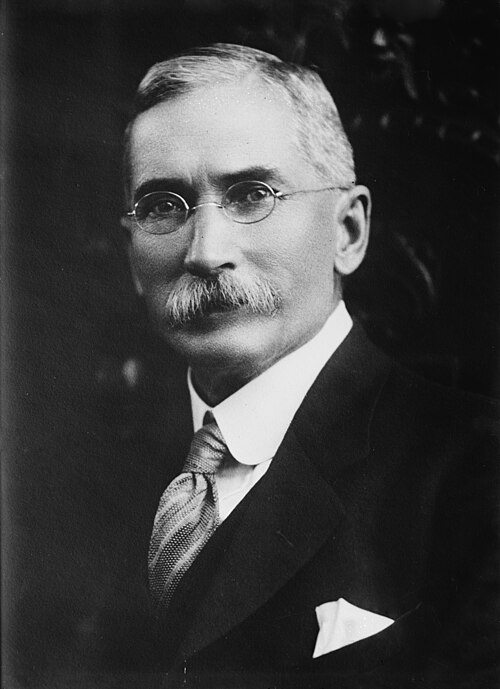
J. B. M. Hertzog
General · Modern
68.1Total
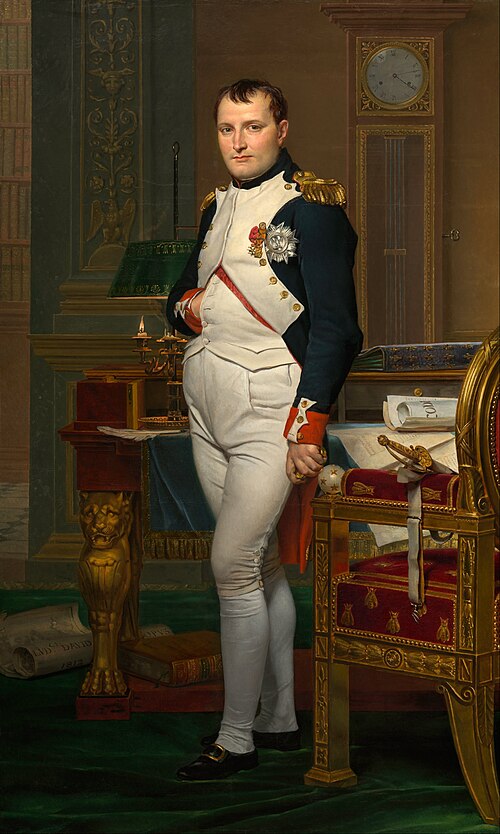
Napoleon Bonaparte
General · Modern
82.4Total
Basic Information
Born
1866
1769
Died
1942
1821
Era
Modern
Modern
Nationality
South Africa
France
Occupation
General
General
Civilization
Other
Western
Score Comparison
Military (10%)
48.1
94.0
Political (20%)
73.0
75.0
Influence (20%)
74.8
82.0
Legacy (20%)
66.8
78.0
Leadership (15%)
79.9
80.0
Strategy (15%)
55.9
93.0
TOTAL
68.1
82.4
Rankings
🥇
Napoleon BonaparteLeader
Mil: 94.0Pol: 75.0Inf: 82.0
82.4
🥈
J. B. M. Hertzog
Mil: 48.1Pol: 73.0Inf: 74.8
68.1
+14.3 behind
How This Comparison Works
Algorithm
Each figure is scored on 6 dimensions (0—100 scale) based on structured historical data: Military (10%), Political (20%), Influence (20%), Legacy (20%), Leadership (15%), Strategy (15%). The weighted total produces the final ranking.
Data Sources
Scores are computed from structured sub-indicators in the database. Scale factors adjust for era (Ancient ×0.85, Modern ×1.0) and civilization size (Eastern ×1.05, Other ×0.80) to account for differences in population and military scale.
Maximum 3 Figures
Comparisons are limited to 2—3 figures to ensure readability and statistical meaningfulness.
Error Margins
±5 points per dimension — Sub-scores are derived from historical records with inherent uncertainty. Two figures within 5 points on a dimension should be considered roughly equivalent in that area.
Total Score Accuracy
±3 points overall — The weighted combination of 6 dimensions produces a total score with approximately ±3 points of uncertainty. Differences of less than 3 points are not statistically significant— the figures are effectively tied.
Known Limitations
- Historical records are incomplete and uneven across civilizations
- Figures from oral-tradition societies may be underrepresented
- Occupation labels can misclassify multi-role figures
- Scores measure capability and impact, not moral character
- Quantitative scoring is a comparison tool, not absolute truth
Capability Radar
Military (10%) — Battles & Warfare
Battles
45
95
Win Rate
40
90
Expansion
20
95
Political (20%) — Governance & Reform
Reform
60
95
Diplomacy
55
80
Economy
50
85
Influence (20%) — Cultural & Global Reach
Cultural
50
85
Global
45
90
Legacy (20%) — Historical Impact
Historical
55
95
Longevity
40
90
Leadership (15%) — Power & Stability
Tenure
65
85
Stability
45
70
Strategy (15%) — Tactics & Innovation
Strategy
50
95
Tactics
45
98
Reform
30
92
Analysis will be generated on first visit.
Scores and timeline are available below. The page will refresh automatically when ready.
J. B. M. Hertzog — Complete Timeline
1899 AD
Boer War GeneralWar◆ Major
Hertzog served as a Boer general in the Second Boer War, commanding forces in the Orange Free State. He participated in several battles and became a prominent Afrikaner military leader.
Second Boer WarGeneralMilitary
Impact: regional
1914 AD
Founded the National PartyPolitical Action
Hertzog broke away from the South African Party and founded the National Party, which championed Afrikaner nationalism and opposed British imperial influence. The party would later implement apartheid.
National PartyAfrikaner NationalismFounding
Impact: nationalconstructive
1924 AD
Prime Minister of South AfricaPolitical Action◆ Major
Hertzog became Prime Minister after his National Party won the general election in coalition with the Labour Party. His government implemented policies to protect white workers and promote Afrikaner interests, including the 'civilized labour' policy.
Prime MinisterAfrikaner RightsLabour Policy
Impact: national
1934 AD
Merged with Smuts to Form United PartyPolitical Action◆ Major
Hertzog merged his National Party with Jan Smuts' South African Party to form the United Party. The coalition aimed to address the economic crisis of the Great Depression and promote national unity, but it alienated hardline Afrikaner nationalists.
United PartyCoalitionNational Unity
Impact: nationalconstructive
1936 AD
Passed the Representation of Natives ActReform◆ Major
Hertzog's government passed the Representation of Natives Act, which removed Black voters from the common voters' roll in the Cape Province and allowed them to elect white representatives instead. This further entrenched racial segregation.
SegregationDisenfranchisementLegislation
Impact: nationaldestructive
1939 AD
Resigned Over Neutrality in WWIIPolitical Action◆ Major
Hertzog advocated for South African neutrality in World War II, but his cabinet voted to enter the war on the Allied side. He resigned as Prime Minister and was succeeded by Jan Smuts, splitting the United Party.
World War IINeutralityResignation
Impact: national
Napoleon Bonaparte — Complete Timeline
1799 AD
Coup of 18 BrumaireOther◆ Major
Napoleon Bonaparte, with support from his brother Lucien and key political figures, overthrew the Directory in a bloodless coup. He established the Consulate with himself as First Consul, effectively becoming the ruler of France. This event ended the French Revolution's most unstable period.
French RevolutionCoupRise to Power
Impact: regional
1804 AD
Promulgation of the Napoleonic CodeOther◆ Major
Napoleon enacted the Civil Code of the French, known as the Napoleonic Code, a comprehensive set of laws that replaced the fragmented feudal legal systems. The code established legal equality, protected property rights, and secularized law. It became the basis for legal systems in many European and world countries.
Legal ReformNapoleonic CodeCivil Law
Impact: globalconstructive
1805 AD
Battle of AusterlitzWar◆ Major
Napoleon's Grande Arm
Napoleonic WarsBattleDecisive Victory
Impact: global
1812 AD
Invasion of RussiaWar◆ Major
Napoleon led the Grande Arm
Napoleonic WarsInvasionDisaster
Impact: globaldestructive
1815 AD
Battle of WaterlooWar◆ Major
Napoleon's French army was defeated by the combined forces of the Duke of Wellington's Anglo-Allied army and Gebhard Leberecht von Bl
Napoleonic WarsBattleFinal Defeat
Impact: globaldestructive
Similar Comparisons
Comments & Discussion
BombasticBonaparte6/17/2026
This comparison is like comparing a hydrogen bomb to a firecracker. Napoleon crushed Europe’s old regimes with unprecedented military reform and legal codes that still underpin modern governance. Hertzog? He managed a segregationist language policy and legalized job reservation for whites. One man redrew the map of the world; the other tinkered around the edges of a colonial backwater. The ambition might sound similar, but the scale is so laughably mismatched that it insults Napoleon’s legacy.
数据查税官6/17/2026
数据不会撒谎,但论据会。拿破仑指挥过大小战役超过60场,战死数十万人,而赫佐格作为将军只参与了几场布尔战争的小规模游击战,伤亡人数连拿破仑的零头都不到。硬要拿一个生卒年份、人数、领土面积都不在一个数量级的人做比较,不是历史浪漫主义,就是数据盲症发作。拜托,先把数据库更新一下再来写文章。
ClassicsBuccaneer6/17/2026
Drawing a line from Waterloo to the Union Buildings misses the critical difference: Napoleon fought for imperial glory and personal dynasty; Hertzog fought for Afrikaner survival and ethnic identity. That’s not just a different battlefield—that’s a different moral universe. Napoleon’s ambition was cosmic, self-aggrandizing, and ultimately destructive. Hertzog’s was defensive, inward-looking, and built a nation (however flawed). Call me old-fashioned, but I judge leaders by what they built, not h
地缘批判侠6/17/2026
你们歌颂赫佐格“为布尔人争取权利”的时候,是不是自动忽略了“权利”二字只适用于白人?他推动的《土著土地法》把90%的黑人挤到8%的劣质土地上。这和拿破仑推行《拿破仑法典》保障私有财产和宗教自由相比,简直是历史的反面教材。别拿“民族命运”来洗地,一个靠剥夺他人土地来维持的所谓“祖国”,根本不配和启蒙将军站在一起。
HistoryMutt6/17/2026
Put away the grand strategic maps for a moment and look at the raw human cost. Napoleon’s thirst for conquest left over a million dead in the Napoleonic Wars and bankrupted France. Hertzog’s political maneuvering avoided major war, stabilized a fragile state, and actually kept South Africa out of World War I as long as he could. Sometimes the quieter, less spectacular nationalism wins the long game. Ambition that doesn’t bury its people in mass graves might be less glamorous—but it’s more humane