Loading...
Analysis will be generated on first visit.
Scores and timeline are available below. The page will refresh automatically when ready.
Napoleon Bonaparte vs Pascal Lissouba
Napoleon Bonaparte leads by 26.6 pts · 2 figures compared
…
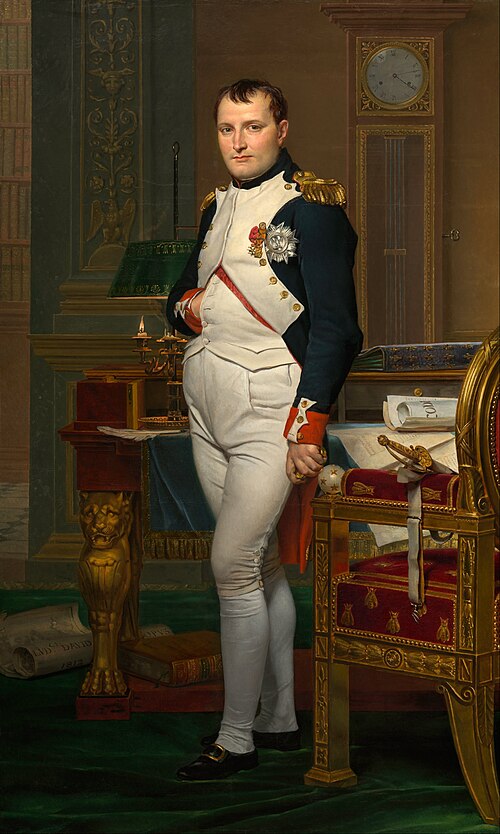
Napoleon Bonaparte
General · Modern
82.4Total
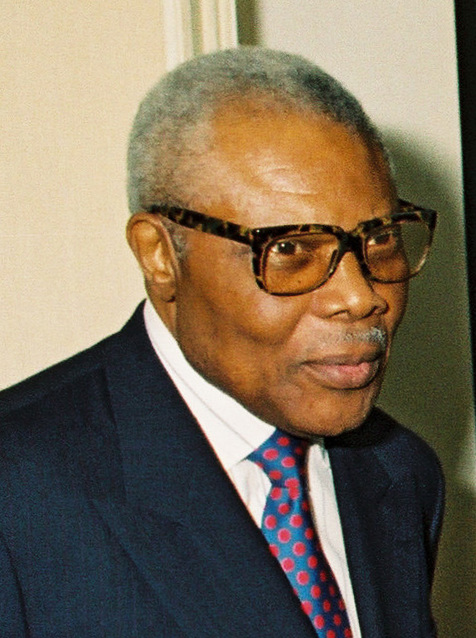
Pascal Lissouba
Politician · Modern
55.8Total
Basic Information
Born
1769
1931
Died
1821
—
Era
Modern
Modern
Nationality
France
Congo-Brazzaville
Occupation
General
Politician
Civilization
Western
Other
Score Comparison
Military (10%)
94.0
30.2
Political (20%)
75.0
54.1
Influence (20%)
82.0
61.9
Legacy (20%)
78.0
48.9
Leadership (15%)
80.0
75.9
Strategy (15%)
93.0
56.4
TOTAL
82.4
55.8
Rankings
🥇
Napoleon BonaparteLeader
Mil: 94.0Pol: 75.0Inf: 82.0
82.4
🥈
Pascal Lissouba
Mil: 30.2Pol: 54.1Inf: 61.9
55.8
+26.6 behind
How This Comparison Works
Algorithm
Each figure is scored on 6 dimensions (0—100 scale) based on structured historical data: Military (10%), Political (20%), Influence (20%), Legacy (20%), Leadership (15%), Strategy (15%). The weighted total produces the final ranking.
Data Sources
Scores are computed from structured sub-indicators in the database. Scale factors adjust for era (Ancient ×0.85, Modern ×1.0) and civilization size (Eastern ×1.05, Other ×0.80) to account for differences in population and military scale.
Maximum 3 Figures
Comparisons are limited to 2—3 figures to ensure readability and statistical meaningfulness.
Error Margins
±5 points per dimension — Sub-scores are derived from historical records with inherent uncertainty. Two figures within 5 points on a dimension should be considered roughly equivalent in that area.
Total Score Accuracy
±3 points overall — The weighted combination of 6 dimensions produces a total score with approximately ±3 points of uncertainty. Differences of less than 3 points are not statistically significant— the figures are effectively tied.
Known Limitations
- Historical records are incomplete and uneven across civilizations
- Figures from oral-tradition societies may be underrepresented
- Occupation labels can misclassify multi-role figures
- Scores measure capability and impact, not moral character
- Quantitative scoring is a comparison tool, not absolute truth
Capability Radar
Military (10%) — Battles & Warfare
Battles
95
23
Win Rate
90
25
Expansion
95
27
Political (20%) — Governance & Reform
Reform
95
35
Diplomacy
80
30
Economy
85
25
Influence (20%) — Cultural & Global Reach
Cultural
85
10
Global
90
10
Legacy (20%) — Historical Impact
Historical
95
15
Longevity
90
10
Leadership (15%) — Power & Stability
Tenure
85
40
Stability
70
15
Strategy (15%) — Tactics & Innovation
Strategy
95
30
Tactics
98
31
Reform
92
36
Analysis will be generated on first visit.
Scores and timeline are available below. The page will refresh automatically when ready.
Pascal Lissouba — Complete Timeline
1992 AD
Elected President of Congo-BrazzavillePolitical Action◆ Major
Lissouba won the first multi-party presidential election in Congo-Brazzaville since independence, defeating Denis Sassou-Nguesso. His victory marked a transition from Marxist one-party rule to democratic governance.
ElectionDemocracyCongo-Brazzaville
Impact: nationalprogressive
1997 AD
Overthrown in Civil WarWar◆ Major
Lissouba was overthrown by forces loyal to Denis Sassou-Nguesso during the Republic of Congo Civil War. The conflict involved ethnic militias and foreign intervention, resulting in Sassou-Nguesso's return to power.
Civil WarCoupCongo-Brazzaville
Impact: nationaldestructive
Similar Comparisons
Comments & Discussion
EmpireBreaker6/17/2026
Comparing Napoleon to Lissouba is like comparing a supernova to a candle. Napoleon rewired the legal and political DNA of Europe through the Napoleonic Code and meritocratic reforms that still echo today. Lissouba couldn't even finish his single term before his democracy collapsed into civil war. The difference isn't just scale—it's impact. One man's actions still shape how nations govern; the other is a footnote lost in Congo's turbulent archives.
数据猎人6/17/2026
数据不会撒谎:拿破仑统治法国16年,从1799到1815,人口从2700万增加到2900万,领土扩张了50%。而利苏巴只当了5年总统,1997年就被政变赶下台,刚果人均GDP反而下降了30%。拿一个帝国缔造者和一个失败民主政客比,根本是混淆维度。用数学说话:影响力=权力×时间,利苏巴两项都归零。
RepublicanGhost6/17/2026
Lissouba represents something Napoleon could never grasp: legitimate democratic mandate. In 1992, he won 61% of the vote in a free election, the first in Congo's history. Napoleon's power came from cannons and coronations, not ballots. Yes, Lissouba's government failed—but it failed trying to build something new. Napoleon's empire failed because it was built on conquest and arrogance. I'd rather stand with a flawed democrat than a brilliant tyrant.
历史显微镜6/17/2026
有趣的是,两人都依赖军事出身,但结局截然不同。拿破仑从军事学院毕业,在意大利和埃及打出了名声,最后被流放大西洋。利苏巴是农业生物学家,1960年代在巴黎求学,回国后靠政治联盟而非战场经验上台。讽刺的是:军事天才死于孤独小岛,和平民总统死于政治漩涡。两个人都没学会控制权力,只是悲剧形式不同。
BlitzkriegBrain6/17/2026
Objectively, the only thing connecting these men is that they both held executive power. Napoleon unified Europe through the Napoleonic Wars, reforming everything from education to taxation. Lissouba couldn't even maintain basic stability in a country the size of France with 4 million people. By 1997, his government needed UN peacekeepers to stop ethnic massacres. That's not a comparison—it's an insult to the word "leader." Napoleon would have laughed at the juxtaposition.