Loading...
Analysis will be generated on first visit.
Scores and timeline are available below. The page will refresh automatically when ready.
Dong Zhuo vs Julius Caesar
Julius Caesar leads by 28.0 pts · 2 figures compared
…
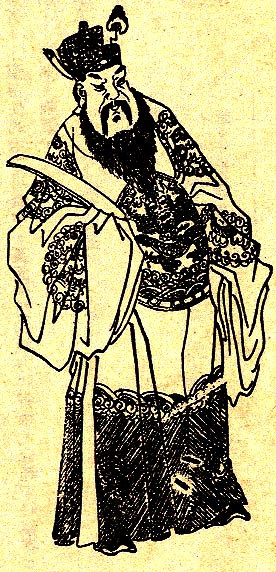
Dong Zhuo
General · Ancient
55.3Total
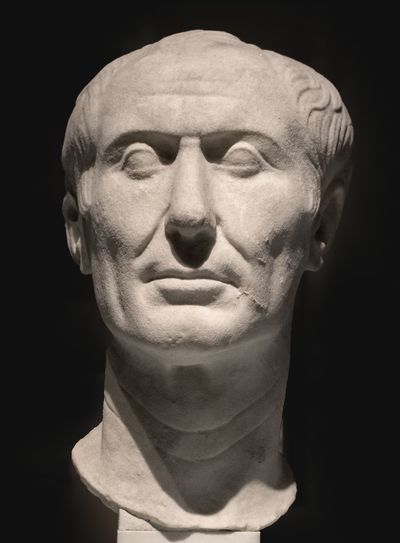
Julius Caesar
General · Ancient
83.3Total
Basic Information
Born
138
-100
Died
192
-44
Era
Ancient
Ancient
Nationality
China
Roman Republic
Occupation
General
General
Civilization
Eastern
Western
Score Comparison
Military (10%)
71.0
88.0
Political (20%)
37.9
78.0
Influence (20%)
71.3
85.0
Legacy (20%)
63.4
82.0
Leadership (15%)
35.2
82.0
Strategy (15%)
55.9
88.0
TOTAL
55.3
83.3
Rankings
🥇
Julius CaesarLeader
Mil: 88.0Pol: 78.0Inf: 85.0
83.3
🥈
Dong Zhuo
Mil: 71.0Pol: 37.9Inf: 71.3
55.3
+28.0 behind
How This Comparison Works
Algorithm
Each figure is scored on 6 dimensions (0—100 scale) based on structured historical data: Military (10%), Political (20%), Influence (20%), Legacy (20%), Leadership (15%), Strategy (15%). The weighted total produces the final ranking.
Data Sources
Scores are computed from structured sub-indicators in the database. Scale factors adjust for era (Ancient ×0.85, Modern ×1.0) and civilization size (Eastern ×1.05, Other ×0.80) to account for differences in population and military scale.
Maximum 3 Figures
Comparisons are limited to 2—3 figures to ensure readability and statistical meaningfulness.
Error Margins
±5 points per dimension — Sub-scores are derived from historical records with inherent uncertainty. Two figures within 5 points on a dimension should be considered roughly equivalent in that area.
Total Score Accuracy
±3 points overall — The weighted combination of 6 dimensions produces a total score with approximately ±3 points of uncertainty. Differences of less than 3 points are not statistically significant— the figures are effectively tied.
Known Limitations
- Historical records are incomplete and uneven across civilizations
- Figures from oral-tradition societies may be underrepresented
- Occupation labels can misclassify multi-role figures
- Scores measure capability and impact, not moral character
- Quantitative scoring is a comparison tool, not absolute truth
Capability Radar
Military (10%) — Battles & Warfare
Battles
55
95
Win Rate
50
92
Expansion
35
97
Political (20%) — Governance & Reform
Reform
5
90
Diplomacy
20
85
Economy
15
82
Influence (20%) — Cultural & Global Reach
Cultural
20
88
Global
25
94
Legacy (20%) — Historical Impact
Historical
45
95
Longevity
30
96
Leadership (15%) — Power & Stability
Tenure
30
75
Stability
5
60
Strategy (15%) — Tactics & Innovation
Strategy
40
94
Tactics
45
96
Reform
10
88
Analysis will be generated on first visit.
Scores and timeline are available below. The page will refresh automatically when ready.
Dong Zhuo — Complete Timeline
189 AD
Dong Zhuo's Entry into LuoyangPolitical Action
After the death of Emperor Ling, Dong Zhuo marched his army into the capital Luoyang, ostensibly to support the He family. He deposed the young Emperor Liu Bian and installed his brother Liu Xie (Emperor Xian), seizing control of the imperial government.
CoupPower SeizureImperial Control
Impact: nationaldestructive
190 AD
Burning of LuoyangOther◆ Major
Facing a coalition of eastern warlords, Dong Zhuo ordered the evacuation and systematic destruction of Luoyang. The city was burned, its palaces and libraries destroyed, and the population forcibly relocated to Chang'an. This act devastated the Han capital.
DestructionCapital BurnedWar Crime
Impact: nationaldestructive
192 AD
Dong Zhuo's AssassinationPolitical Action◆ Major
Dong Zhuo was assassinated in a plot orchestrated by his trusted subordinate L
AssassinationPower ShiftConspiracy
Impact: national
Similar Comparisons
Comments & Discussion
RubiconReaper6/17/2026
Caesar’s crossing was a calculated gamble by a military genius; Dong Zhuo’s burning of Luoyang was arson by a thug. Caesar read the room—he knew Rome’s institutions were fragile but salvageable. Dong Zhuo torched centuries of Han civilization and called it strategy. One man built an empire; the other just left ashes. Historians who equate them are confusing ambition with incompetence.
灰烬学者6/17/2026
董卓烧洛阳不是政治声明,是自保式的泄愤——他根本守不住这座城。反观恺撒,过卢比孔河前就布好了大局:用高卢的财富收买元老,用老兵军团震慑对手。董卓烧城只是加速了自己的灭亡,恺撒的赌注却铸就了罗马帝国的根基。把这两个人放一起比,已经是抬举董卓了。
SkepticalToga6/17/2026
The comparison cherry-picks dramatic acts but ignores track records. Caesar authored the *Commentaries*, governed Gaul for a decade, and reformed the calendar. Dong Zhuo’s greatest achievement was getting assassinated by his own bodyguard. Calling them “parallels” confuses a tactical river crossing with a pyromaniac’s tantrum. One changed history through design; the other through destruction. That’s not symmetry—it’s a category error.
史海钩沉6/17/2026
说两人都是“乱世枭雄”的人,大概只看了标题。董卓进京时,洛阳还有朝堂、有制度、有皇帝——他把它们全砸了。恺撒过河时,罗马的共和国已经奄奄一息,他只是给了最后一推。一个毁掉的是文明实体,一个终结的是政治僵尸。本质完全不同。真要比,董卓该对标的是喀提林,不是恺撒。