Loading...
Analysis will be generated on first visit.
Scores and timeline are available below. The page will refresh automatically when ready.
John F. Kennedy vs Julius Caesar
Julius Caesar leads by 19.6 pts · 2 figures compared
…
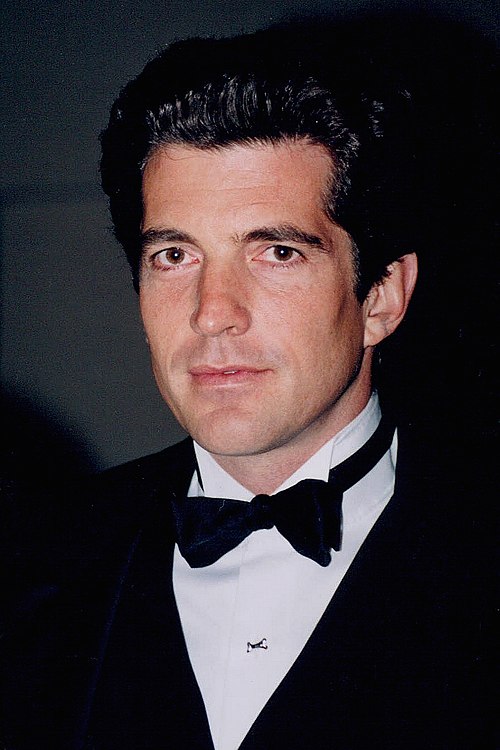
John F. Kennedy
Politician · Modern
63.7Total
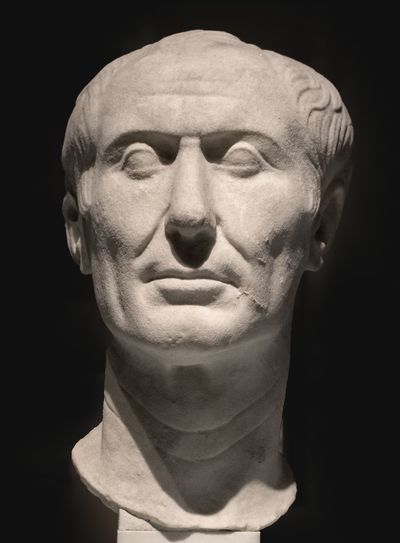
Julius Caesar
General · Ancient
83.3Total
Basic Information
Born
1917
-100
Died
1963
-44
Era
Modern
Ancient
Nationality
United States
Roman Republic
Occupation
Politician
General
Civilization
Western
Western
Score Comparison
Military (10%)
24.1
88.0
Political (20%)
72.0
78.0
Influence (20%)
80.0
85.0
Legacy (20%)
67.6
82.0
Leadership (15%)
72.0
82.0
Strategy (15%)
43.6
88.0
TOTAL
63.7
83.3
Rankings
🥇
Julius CaesarLeader
Mil: 88.0Pol: 78.0Inf: 85.0
83.3
🥈
John F. Kennedy
Mil: 24.1Pol: 72.0Inf: 80.0
63.7
+19.6 behind
How This Comparison Works
Algorithm
Each figure is scored on 6 dimensions (0—100 scale) based on structured historical data: Military (10%), Political (20%), Influence (20%), Legacy (20%), Leadership (15%), Strategy (15%). The weighted total produces the final ranking.
Data Sources
Scores are computed from structured sub-indicators in the database. Scale factors adjust for era (Ancient ×0.85, Modern ×1.0) and civilization size (Eastern ×1.05, Other ×0.80) to account for differences in population and military scale.
Maximum 3 Figures
Comparisons are limited to 2—3 figures to ensure readability and statistical meaningfulness.
Error Margins
±5 points per dimension — Sub-scores are derived from historical records with inherent uncertainty. Two figures within 5 points on a dimension should be considered roughly equivalent in that area.
Total Score Accuracy
±3 points overall — The weighted combination of 6 dimensions produces a total score with approximately ±3 points of uncertainty. Differences of less than 3 points are not statistically significant— the figures are effectively tied.
Known Limitations
- Historical records are incomplete and uneven across civilizations
- Figures from oral-tradition societies may be underrepresented
- Occupation labels can misclassify multi-role figures
- Scores measure capability and impact, not moral character
- Quantitative scoring is a comparison tool, not absolute truth
Capability Radar
Military (10%) — Battles & Warfare
Battles
10
95
Win Rate
10
92
Expansion
10
97
Political (20%) — Governance & Reform
Reform
65
90
Diplomacy
75
85
Economy
55
82
Influence (20%) — Cultural & Global Reach
Cultural
70
88
Global
70
94
Legacy (20%) — Historical Impact
Historical
65
95
Longevity
60
96
Leadership (15%) — Power & Stability
Tenure
50
75
Stability
60
60
Strategy (15%) — Tactics & Innovation
Strategy
20
94
Tactics
15
96
Reform
25
88
Analysis will be generated on first visit.
Scores and timeline are available below. The page will refresh automatically when ready.
John F. Kennedy — Complete Timeline
1961 AD
Bay of Pigs InvasionWar◆ Major
Kennedy authorized the CIA-backed invasion of Cuba by exiles at the Bay of Pigs, which failed disastrously. The event embarrassed the U.S., strengthened Castro's position, and pushed Cuba closer to the Soviet Union.
CubaCold WarFailed Invasion
Impact: globaldestructive
Establishment of the Peace CorpsPolitical Action◆ Major
Kennedy signed an executive order establishing the Peace Corps, sending American volunteers abroad to assist with development. The program promoted U.S. soft power and cultural exchange, becoming a lasting legacy of his administration.
Peace CorpsForeign AidVolunteerism
Impact: globalconstructive
1962 AD
Cuban Missile CrisisPolitical Action
Kennedy confronted the Soviet Union over the installation of nuclear missiles in Cuba. He imposed a naval blockade and negotiated a peaceful resolution, securing the removal of missiles in exchange for a pledge not to invade Cuba and removal of U.S. missiles from Turkey.
Cold WarNuclear CrisisDiplomacy
Impact: global
Moon Speech at Rice UniversityCultural◆ Major
Kennedy delivered a speech at Rice University, committing the U.S. to landing a man on the moon before the end of the decade. This galvanized the Apollo program and the Space Race against the Soviet Union.
Space RaceApollo ProgramMoon Landing
Impact: globalprogressive
1963 AD
Assassination of John F. KennedyPolitical Action
Kennedy was assassinated by Lee Harvey Oswald while riding in a motorcade in Dallas, Texas. His death shocked the world and led to the passage of the Civil Rights Act and other legislation under his successor, Lyndon B. Johnson.
AssassinationDallasConspiracy Theories
Impact: globaltragic
Similar Comparisons
Comments & Discussion
No comments yet. Be the first to share your thoughts!