Loading...
Julius Caesar vs Nurhaci
Nurhaci leads by 0.5 pts · 2 figures compared
…
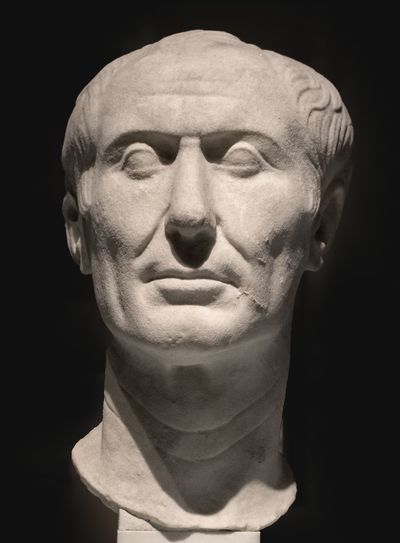
Julius Caesar
General · Ancient
83.3Total
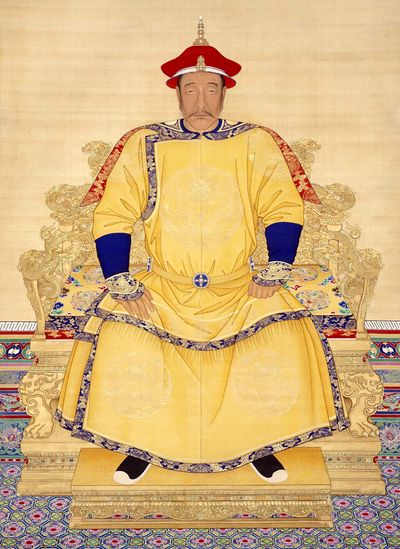
Nurhaci
Emperor · Modern
83.8Total
Basic Information
Born
-100
1559
Died
-44
1626
Era
Ancient
Modern
Nationality
Roman Republic
China
Occupation
General
Emperor
Civilization
Western
Eastern
Score Comparison
Military (10%)
88.0
79.9
Political (20%)
78.0
84.8
Influence (20%)
85.0
84.1
Legacy (20%)
82.0
87.6
Leadership (15%)
82.0
82.1
Strategy (15%)
88.0
81.1
TOTAL
83.3
83.8
Rankings
🥇
NurhaciLeader
Mil: 79.9Pol: 84.8Inf: 84.1
83.8
🥈
Julius Caesar
Mil: 88.0Pol: 78.0Inf: 85.0
83.3
+0.5 behind
How This Comparison Works
Algorithm
Each figure is scored on 6 dimensions (0—100 scale) based on structured historical data: Military (10%), Political (20%), Influence (20%), Legacy (20%), Leadership (15%), Strategy (15%). The weighted total produces the final ranking.
Data Sources
Scores are computed from structured sub-indicators in the database. Scale factors adjust for era (Ancient ×0.85, Modern ×1.0) and civilization size (Eastern ×1.05, Other ×0.80) to account for differences in population and military scale.
Maximum 3 Figures
Comparisons are limited to 2—3 figures to ensure readability and statistical meaningfulness.
Error Margins
±5 points per dimension — Sub-scores are derived from historical records with inherent uncertainty. Two figures within 5 points on a dimension should be considered roughly equivalent in that area.
Total Score Accuracy
±3 points overall — The weighted combination of 6 dimensions produces a total score with approximately ±3 points of uncertainty. Differences of less than 3 points are not statistically significant— the figures are effectively tied.
Known Limitations
- Historical records are incomplete and uneven across civilizations
- Figures from oral-tradition societies may be underrepresented
- Occupation labels can misclassify multi-role figures
- Scores measure capability and impact, not moral character
- Quantitative scoring is a comparison tool, not absolute truth
Capability Radar
Military (10%) — Battles & Warfare
Battles
95
85
Win Rate
92
90
Expansion
97
88
Political (20%) — Governance & Reform
Reform
90
85
Diplomacy
85
80
Economy
82
70
Influence (20%) — Cultural & Global Reach
Cultural
88
85
Global
94
80
Legacy (20%) — Historical Impact
Historical
95
90
Longevity
96
88
Leadership (15%) — Power & Stability
Tenure
75
75
Stability
60
78
Strategy (15%) — Tactics & Innovation
Strategy
94
85
Tactics
96
88
Reform
88
92
Expert Analysis
# 当罗马遇上草原:凯撒与努尔哈赤的命运交响曲
公元1607年,当努尔哈赤在赫图阿拉城下集结女真各部时,远在欧洲的凯撒早已化作历史的尘埃。然而,这两位相隔十七个世纪的征服者,却在各自的文明版图上书写着惊人相似的传奇——他们都以军事天才起家,以政治手腕立国,最终成为各自帝国的奠基人。
命运的起点:两种文明的摇篮
公元前100年,凯撒出生在罗马的贵族家庭。他的童年浸染在元老院的辩论声与广场上的演说中,罗马的法制传统、希腊的哲学思辨、拉丁的军事纪律,共同塑造了他的精神世界。而1559年出生的努尔哈赤,则是在白山黑水间的女真部落中长大。他没有凯撒那样的贵族血统,甚至幼年丧母、流落异乡,在渔猎与征战中学会生存。
两人的起点截然不同:凯撒继承的是文明巅峰的遗产,努尔哈赤面对的则是部落分裂的蛮荒。但他们都拥有一种罕见的能力——将环境的限制转化为动力。凯撒在年轻时就因反对苏拉的独裁而流亡,努尔哈赤则在祖父与父亲被明军误杀后,以十三副遗甲起兵复仇。
崛起之路:征服者的不同逻辑
凯撒的崛起遵循着罗马的政治逻辑:先是通过“前三头同盟”获取权力,再以高卢战争积累军功与财富。公元前58年,他率军进入高卢,在八年间征服了超过三百万人口的土地,将罗马的边界推到莱茵河与英吉利海峡。他的《高卢战记》不仅是军事经典,更是政治宣传——向罗马人民证明自己是不可替代的领袖。
努尔哈赤的崛起则更接近草原法则:他先统一建州女真,再逐步吞并海西女真与野人女真。公元1616年,他在赫图阿拉称汗,建立后金。与凯撒不同,努尔哈赤的征服没有罗马那样的制度支撑,他依靠的是八旗制度——一种将军事、行政、生产融为一体的组织。每个旗人既是战士也是农民,这种效率让后金在短短十年内从边陲小邦成长为足以撼动明朝的势力。
治国之道:帝国基石的不同配方
凯撒的统治体现了罗马的理性精神。他改革历法(儒略历),扩大元老院,为老兵分配土地,甚至计划修建科林斯运河。他的核心策略是“融合”——将高卢贵族纳入罗马体系,给予他们公民权。这种开放姿态让罗马从城邦走向帝国,但也触动了保守派的神经。
努尔哈赤的治国则充满草原的实用主义。他创立满文,建立八旗,推行“计丁授田”,将农耕与游牧结合。他的策略是“整合”——将女真各部、蒙古部落甚至汉人降将编入八旗,形成新的民族共同体。与凯撒的融合不同,努尔哈赤更强调等级秩序,满人始终是统治核心。
巅峰与低谷:命运的两面
凯撒的巅峰在公元前48年:他在法萨卢斯战役中击败庞培,成为罗马实际上的主人。随后他获得终身独裁官职位,被尊为“国父”。但仅仅两年后,公元前44年3月15日,他在元老院被六十余名贵族刺杀,身中二十三刀。他的死不是结束,而是罗马从共和国走向帝国的催化剂。
努尔哈赤的巅峰在1625年:他攻占沈阳,将其改名盛京,后金达到全盛。但1626年,他在宁远之战中被明将袁崇焕的红衣大炮击伤,同年去世。他的死没有引发混乱——儿子皇太极顺利继承,继续完成统一大业。与凯撒不同,努尔哈赤的帝国在他死后反而更加稳固。
性格与命运:两种悲剧的根源
凯撒的性格充满矛盾:他慷慨大度,却对敌人毫不留情;他崇尚理性,却迷恋权力与荣誉。他的名言“我来,我见,我征服”暴露了他对个人荣耀的极度渴望。这种性格让他敢于挑战整个元老院,但也让他忽视了共和传统的韧性。他的悲剧在于:他试图用独裁拯救共和国,却亲手埋葬了它。
努尔哈赤的性格则更接近一个草原首领:坚毅、隐忍、残忍。他能在逆境中等待数十年,也能在胜利后屠杀仇敌。他的名言“七恨”将个人复仇与民族崛起融为一体。他的智慧在于:他懂得在征服中建立制度,而非仅仅依赖个人权威。他的悲剧在于:他建立的八旗制度最终成为束缚清朝的枷锁。
历史的回响:谁更深远?
凯撒的影响是爆炸性的:他的名字成为罗马皇帝的称号(凯撒),他的改革奠定了欧洲文明的基础。但罗马帝国最终分裂,他的遗产更多是精神层面的——成为西方政治中“强人”的原型。
努尔哈赤的影响则是结构性的:他创立的清朝统治中国近三百年,八旗制度影响了东亚的政治格局。但清朝的封闭性也让中国错失了近代化的机遇。他的遗产更多是制度层面的——成为东方帝国转型的缩影。
结语:征服者的镜像
凯撒与努尔哈赤,一个来自罗马的广场,一个来自关外的草原。他们用不同的方式征服了世界,却都未能征服时间。凯撒被刺杀时,他的帝国尚未成型;努尔哈赤去世时,他的帝国刚刚起步。但他们都留下了超越时代的遗产:凯撒代表了个人意志对制度的挑战,努尔哈赤则展示了制度对个人意志的传承。
今天,当我们回望这两位征服者,看到的不仅是英雄的史诗,更是文明演进的两种路径。凯撒的罗马最终走向了专制,努尔哈赤的清朝最终走向了衰落。但他们都证明了:真正的征服者,不是那些攻城略地的人,而是那些改变历史走向的人。
Frequently Asked Questions
Who ranks highest among Julius Caesar, Nurhaci?
Based on our six-dimension data-driven analysis, the ranking is determined by comparing Military, Political, Influence, Legacy, Leadership, and Strategy scores derived from quantifiable historical metrics. See the full analysis for the detailed comparison.
How accurate is this comparison?
The scoring system has a ±3 point error margin per dimension and ±3 points overall. Figures within 3 points are considered statistically tied. The analysis uses structured historical data but cannot capture every nuance of historical context.
Similar Comparisons
Comments & Discussion
江南书生6/15/2026
Julius Caesar和Nurhaci都是各自时代的巨人。数据化的比较提供了一个很好的讨论起点。