Loading...
Abiy Ahmed vs Nikola Pasic
Nikola Pasic leads by 5.3 pts · 2 figures compared
…

Abiy Ahmed
Politician · Modern
54.9Total
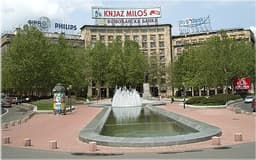
Nikola Pasic
Politician · Modern
60.2Total
Basic Information
Born
1976
1845
Died
—
1926
Era
Modern
Modern
Nationality
Ethiopia
Serbia
Occupation
Politician
Politician
Civilization
Other
Western
Score Comparison
Military (10%)
41.6
50.0
Political (20%)
72.0
78.0
Influence (20%)
55.0
58.0
Legacy (20%)
48.3
52.0
Leadership (15%)
64.0
78.0
Strategy (15%)
45.0
42.7
TOTAL
54.9
60.2
Abiy Ahmed — Complete Timeline
2018 AD
Became Prime Minister of EthiopiaPolitical Action◆ Major
Abiy Ahmed was elected Prime Minister of Ethiopia by the ruling coalition, EPRDF. He succeeded Hailemariam Desalegn and immediately embarked on sweeping political reforms, including releasing political prisoners and opening up the political space.
ReformLeadershipEPRDF
Impact: nationalconstructive
Signed Peace Agreement with EritreaPolitical Action◆ Major
Abiy signed a peace agreement with Eritrean President Isaias Afwerki, ending a 20-year border conflict. The deal led to the reopening of embassies, resumption of flights, and the awarding of the 2019 Nobel Peace Prize to Abiy.
PeaceEritreaNobel Prize
Impact: regionalconstructive
2019 AD
Launched Economic ReformsReform◆ Major
Abiy initiated economic liberalization, including partial privatization of state-owned enterprises like Ethio Telecom and Ethiopian Airlines. He also introduced a new investment law and sought to attract foreign capital, aiming to transform Ethiopia into a middle-income country.
Economic ReformPrivatizationInvestment
Impact: nationalconstructive
2020 AD
Launched Military Offensive in TigrayWar◆ Major
Abiy ordered a military offensive against the Tigray People's Liberation Front (TPLF) after a federal-state dispute. The Tigray War resulted in widespread atrocities, a humanitarian crisis, and the destabilization of northern Ethiopia, drawing international condemnation.
Tigray WarConflictHumanitarian Crisis
Impact: regionaldestructive
2021 AD
Declared Unilateral Ceasefire in TigrayPolitical Action◆ Major
Facing military setbacks and international pressure, Abiy declared a unilateral ceasefire in Tigray. The ceasefire was initially rejected by the TPLF, but it eventually led to peace talks and the Pretoria Agreement in 2022, ending the two-year war.
CeasefirePeace ProcessTigray
Impact: regional
Nikola Pasic — Complete Timeline
1878 AD
Led Serbia at the Congress of BerlinPolitical Action◆ Major
Pasic was a delegate at the Congress of Berlin, which recognized Serbia's independence from the Ottoman Empire. The congress also expanded Serbian territory, though not as much as hoped.
Congress of BerlinSerbian IndependenceDiplomacy
Impact: regionalconstructive
1881 AD
Co-founded the Radical PartyPolitical Action◆ Major
Nikola Pasic co-founded the People's Radical Party in Serbia, which became the dominant political force. The party advocated for parliamentary democracy, constitutional reform, and Serbian nationalism.
Radical PartySerbian PoliticsPolitical Party
Impact: nationalconstructive
1891 AD
Became Prime Minister of SerbiaPolitical Action◆ Major
Nikola Pasic became Prime Minister of Serbia for the first time in February 1891. He would serve multiple terms, becoming the longest-serving prime minister in Serbian history.
Prime MinisterSerbian GovernmentPolitical Leadership
Impact: nationalconstructive
1917 AD
Signed the Corfu DeclarationPolitical Action◆ Major
As Prime Minister in exile, Pasic signed the Corfu Declaration in July 1917 with the Yugoslav Committee. The declaration outlined the plan for a unified South Slavic state after World War I.
Corfu DeclarationYugoslav UnificationWorld War I
Impact: regionalconstructive
1918 AD
Became Prime Minister of the Kingdom of Serbs, Croats, and SlovenesPolitical Action◆ Major
Pasic became the first Prime Minister of the newly formed Kingdom of Serbs, Croats, and Slovenes in December 1918. He played a key role in shaping the new state's constitution and policies.
YugoslaviaPrime MinisterState Formation
Impact: regionalconstructive
Expert Analysis
Origins
Abiy Ahmed was born in 1976 in Beshasha, Ethiopia, to a Muslim father and Christian mother, reflecting Ethiopia's religious diversity. He joined the military at a young age, rising through the ranks of the Ethiopian National Defense Force, and later obtained a PhD in peace studies from Addis Ababa University. His early career in the military and intelligence services shaped his pragmatic and decisive leadership style.
Nikola Pasic was born in 1845 in Zaječar, Serbia, then part of the Ottoman Empire. He studied engineering in Belgrade and Zurich, where he was exposed to socialist ideas. Pasic co-founded the People's Radical Party in 1881, advocating for parliamentary democracy and Serbian nationalism. His background as a peasant-born intellectual gave him a deep connection to rural Serbia.
Rise to Power
Abiy Ahmed rose to prominence in 2018 when he was elected Prime Minister of Ethiopia by the Ethiopian People's Revolutionary Democratic Front (EPRDF) coalition, succeeding Hailemariam Desalegn. He immediately launched sweeping reforms, releasing political prisoners and lifting bans on opposition parties. His peace agreement with Eritrea in July 2018, ending a 20-year border conflict, earned him the Nobel Peace Prize in 2019. This international acclaim solidified his domestic popularity initially.
Nikola Pasic's rise was gradual. He became Prime Minister of Serbia for the first time in February 1891, but his power was cemented through his leadership of the Radical Party. Pasic was a key figure at the Congress of Berlin in 1878, which recognized Serbia's independence. He skillfully navigated the turbulent Balkan politics, using alliances and diplomacy to expand Serbian influence. His long tenure (multiple terms from 1891 to 1926) made him the dominant figure in Serbian politics.
Leadership & Governance
Abiy Ahmed's leadership style is bold and reformist. He implemented economic liberalization, including privatization of state-owned enterprises like Ethio Telecom and Ethiopian Airlines. His political score of 72.0 reflects his ability to initiate change, but his military score of 41.6 indicates challenges in conflict management. His governance was marked by a top-down approach, often bypassing traditional federal structures, which led to tensions with regional powers like the Tigray People's Liberation Front (TPLF). The Tigray War (2020-2022) resulted in widespread casualties and a humanitarian crisis, tarnishing his reputation.
Nikola Pasic was a master of parliamentary politics and coalition-building. His leadership score of 78.0 reflects his ability to maintain power through compromise and patronage. He skillfully balanced the interests of the monarchy, military, and peasantry. Pasic's governance focused on centralization and Serbian dominance within the newly formed Kingdom of Serbs, Croats, and Slovenes (later Yugoslavia). His strategy score of 42.7, however, suggests limitations in long-term planning, as his policies contributed to ethnic tensions in the multinational state.
Triumph & Tragedy
Abiy Ahmed's greatest triumph was the peace deal with Eritrea, which reopened embassies and led to the reopening of borders. He also launched economic reforms that attracted foreign investment. However, his military offensive in Tigray (2020) and the subsequent war, which resulted in an estimated 600,000 deaths, is his greatest tragedy. The conflict also damaged Ethiopia's international standing and led to sanctions.
Nikola Pasic's triumph was leading Serbia through the Balkan Wars and World War I, and his role in creating the Kingdom of Serbs, Croats, and Slovenes. He signed the Corfu Declaration in 1917, laying the groundwork for a unified South Slavic state. However, his failure to adequately address the rights of non-Serb ethnic groups led to long-term instability. The centralization of power in Belgrade and Serbian dominance fueled grievances that erupted in violence after his death.
Character & Destiny
Abiy Ahmed is characterized by his visionary but impulsive decision-making. His personality is charismatic and decisive, but his lack of patience for consensus-building led to the Tigray conflict. His destiny was shaped by his rapid rise and subsequent fall from grace: from Nobel laureate to leader of a country in civil war. Historians assess his tenure as one of dramatic highs and lows.
Nikola Pasic was a pragmatic and cautious politician, known for his long-term persistence. He was often called "the old fox" for his shrewdness. His character of patience and compromise allowed him to survive multiple political crises. His destiny was to be the architect of a unified Yugoslavia, but his Serbian-centric vision sowed seeds of discord that would later destroy the state.
Legacy
Abiy Ahmed's legacy is deeply contested. His peace deal with Eritrea and economic reforms are positive, but the Tigray War overshadows them. His influence score of 55.0 reflects a mixed impact: he changed Ethiopian politics but also unleashed destructive forces. He is remembered as both a peacemaker and a war leader.
Nikola Pasic's legacy as a nation-builder is more enduring. He is credited with creating modern Serbia and the first Yugoslav state. His political score of 78.0 and legacy score of 52.0 indicate his lasting impact on the Balkan political landscape. However, his failure to create an inclusive state is a permanent stain. He is remembered as a father of Serbia but also a contributor to Yugoslav instability.
Conclusion
While Abiy Ahmed's peace initiatives were historic, his military failures and human rights abuses significantly undermine his impact. Nikola Pasic, despite his flaws in state-building, achieved a more durable transformation: he established Serbia as an independent kingdom and co-founded Yugoslavia, influencing the region for decades. Pasic's total score of 60.2 versus Ahmed's 54.9 reflects his greater political and leadership skills. Therefore, Nikola Pasic had a greater impact on history due to his foundational role in creating states that lasted for generations.
Rankings
🥇
Nikola PasicLeader
Mil: 50.0Pol: 78.0Inf: 58.0
60.2
🥈
Abiy Ahmed
Mil: 41.6Pol: 72.0Inf: 55.0
54.9
+5.3 behind
How This Comparison Works
Algorithm
Each figure is scored on 6 dimensions (0—100 scale) based on structured historical data: Military (10%), Political (20%), Influence (20%), Legacy (20%), Leadership (15%), Strategy (15%). The weighted total produces the final ranking.
Data Sources
Scores are computed from structured sub-indicators in the database. Scale factors adjust for era (Ancient ×0.85, Modern ×1.0) and civilization size (Eastern ×1.05, Other ×0.80) to account for differences in population and military scale.
Maximum 3 Figures
Comparisons are limited to 2—3 figures to ensure readability and statistical meaningfulness.
Error Margins
±5 points per dimension — Sub-scores are derived from historical records with inherent uncertainty. Two figures within 5 points on a dimension should be considered roughly equivalent in that area.
Total Score Accuracy
±3 points overall — The weighted combination of 6 dimensions produces a total score with approximately ±3 points of uncertainty. Differences of less than 3 points are not statistically significant— the figures are effectively tied.
Known Limitations
- Historical records are incomplete and uneven across civilizations
- Figures from oral-tradition societies may be underrepresented
- Occupation labels can misclassify multi-role figures
- Scores measure capability and impact, not moral character
- Quantitative scoring is a comparison tool, not absolute truth
Capability Radar
Military (10%) — Battles & Warfare
Battles
10
27
Win Rate
10
30
Expansion
10
37
Political (20%) — Governance & Reform
Reform
60
75
Diplomacy
70
80
Economy
45
60
Influence (20%) — Cultural & Global Reach
Cultural
40
40
Global
65
50
Legacy (20%) — Historical Impact
Historical
50
70
Longevity
30
60
Leadership (15%) — Power & Stability
Tenure
55
85
Stability
20
55
Strategy (15%) — Tactics & Innovation
Strategy
10
39
Tactics
10
40
Reform
40
44
Similar Comparisons
Comments & Discussion
No comments yet. Be the first to share your thoughts!