Loading...
Analysis will be generated on first visit.
Scores and timeline are available below. The page will refresh automatically when ready.
David Lloyd George vs Julius Caesar
Julius Caesar leads by 19.5 pts · 2 figures compared
…
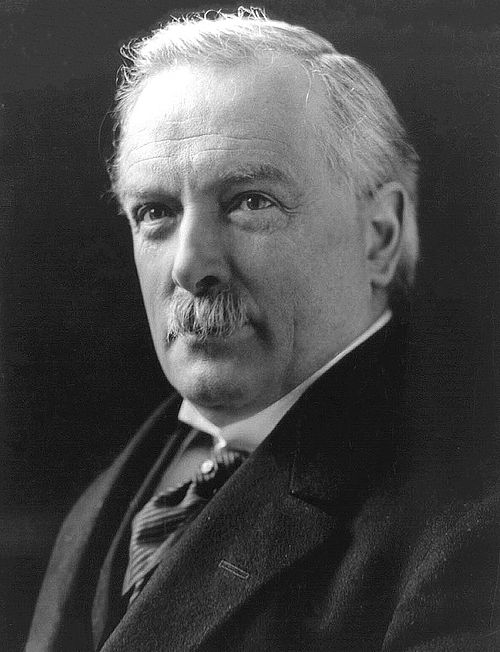
David Lloyd George
Politician · Modern
63.8Total
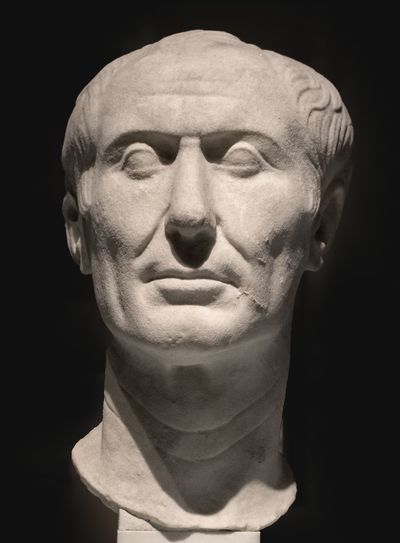
Julius Caesar
General · Ancient
83.3Total
Basic Information
Born
1863
-100
Died
1945
-44
Era
Modern
Ancient
Nationality
United Kingdom
Roman Republic
Occupation
Politician
General
Civilization
Western
Western
Score Comparison
Military (10%)
37.5
88.0
Political (20%)
76.5
78.0
Influence (20%)
66.7
85.0
Legacy (20%)
68.2
82.0
Leadership (15%)
83.2
82.0
Strategy (15%)
35.3
88.0
TOTAL
63.8
83.3
Rankings
🥇
Julius CaesarLeader
Mil: 88.0Pol: 78.0Inf: 85.0
83.3
🥈
David Lloyd George
Mil: 37.5Pol: 76.5Inf: 66.7
63.8
+19.5 behind
How This Comparison Works
Algorithm
Each figure is scored on 6 dimensions (0—100 scale) based on structured historical data: Military (10%), Political (20%), Influence (20%), Legacy (20%), Leadership (15%), Strategy (15%). The weighted total produces the final ranking.
Data Sources
Scores are computed from structured sub-indicators in the database. Scale factors adjust for era (Ancient ×0.85, Modern ×1.0) and civilization size (Eastern ×1.05, Other ×0.80) to account for differences in population and military scale.
Maximum 3 Figures
Comparisons are limited to 2—3 figures to ensure readability and statistical meaningfulness.
Error Margins
±5 points per dimension — Sub-scores are derived from historical records with inherent uncertainty. Two figures within 5 points on a dimension should be considered roughly equivalent in that area.
Total Score Accuracy
±3 points overall — The weighted combination of 6 dimensions produces a total score with approximately ±3 points of uncertainty. Differences of less than 3 points are not statistically significant— the figures are effectively tied.
Known Limitations
- Historical records are incomplete and uneven across civilizations
- Figures from oral-tradition societies may be underrepresented
- Occupation labels can misclassify multi-role figures
- Scores measure capability and impact, not moral character
- Quantitative scoring is a comparison tool, not absolute truth
Capability Radar
Military (10%) — Battles & Warfare
Battles
30
95
Win Rate
30
92
Expansion
35
97
Political (20%) — Governance & Reform
Reform
80
90
Diplomacy
85
85
Economy
70
82
Influence (20%) — Cultural & Global Reach
Cultural
55
88
Global
65
94
Legacy (20%) — Historical Impact
Historical
70
95
Longevity
60
96
Leadership (15%) — Power & Stability
Tenure
75
75
Stability
65
60
Strategy (15%) — Tactics & Innovation
Strategy
40
94
Tactics
43
96
Reform
41
88
Analysis will be generated on first visit.
Scores and timeline are available below. The page will refresh automatically when ready.
David Lloyd George — Complete Timeline
1916 AD
Became Prime Minister of the United KingdomPolitical Action◆ Major
Lloyd George succeeded H.H. Asquith as head of a coalition government during World War I. He formed a small War Cabinet to streamline decision-making. His leadership was marked by a more vigorous prosecution of the war effort.
World War ICoalition GovernmentLeadership
Impact: global
1917 AD
Introduced the convoy system to combat U-boatsWar◆ Major
Lloyd George overruled Admiralty opposition and mandated the use of merchant convoys escorted by warships. This dramatically reduced shipping losses to German U-boats, ensuring Britain's supply lines remained open and contributing to Allied victory.
World War INaval WarfareConvoys
Impact: globalconstructive
1918 AD
Passed the Representation of the People Act 1918Reform◆ Major
Lloyd George's government enacted this act, which extended the vote to all men over 21 and women over 30 who met property qualifications. It tripled the electorate and was a major step toward universal suffrage in Britain.
SuffrageDemocracyReform
Impact: nationalprogressive
1919 AD
Played a key role in the Paris Peace Conference and Treaty of VersaillesPolitical Action◆ Major
Lloyd George was one of the 'Big Four' leaders at the Paris Peace Conference. He negotiated the Treaty of Versailles, which imposed heavy reparations and territorial losses on Germany. The treaty's terms were controversial and contributed to future instability.
World War IPeace TreatyVersailles
Impact: global
1922 AD
Resigned as Prime MinisterPolitical Action
Lloyd George resigned after the Conservative Party withdrew from his coalition government, following the Chanak Crisis and allegations of selling honors. His departure ended his wartime coalition and led to a Conservative government under Bonar Law.
ResignationCoalitionPolitics
Impact: national
Similar Comparisons
Comments & Discussion
No comments yet. Be the first to share your thoughts!