Loading...
Analysis will be generated on first visit.
Scores and timeline are available below. The page will refresh automatically when ready.
Li Zhi vs Napoleon Bonaparte
Napoleon Bonaparte leads by 7.8 pts · 2 figures compared
…
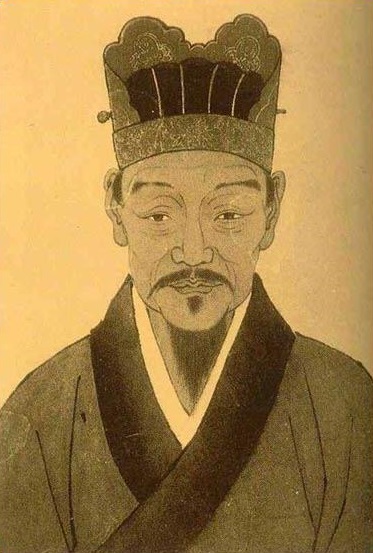
Li Zhi
Emperor · Medieval
74.6Total
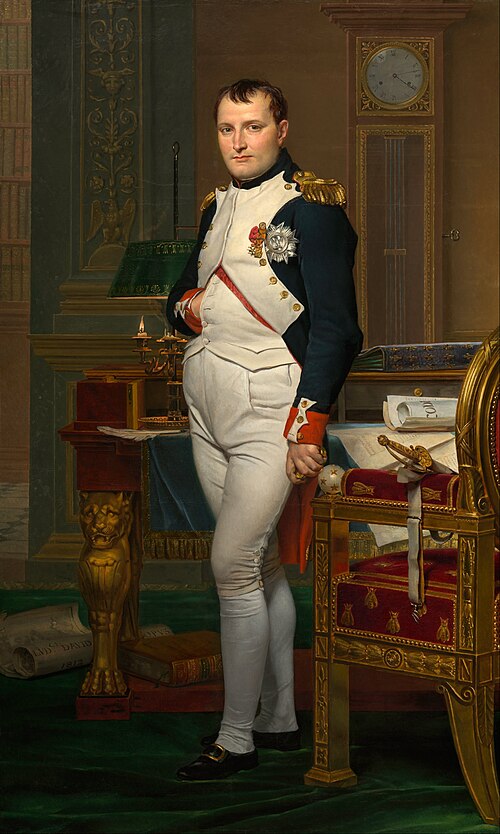
Napoleon Bonaparte
General · Modern
82.4Total
Basic Information
Born
628
1769
Died
683
1821
Era
Medieval
Modern
Nationality
China
France
Occupation
Emperor
General
Civilization
Eastern
Western
Score Comparison
Military (10%)
82.0
94.0
Political (20%)
76.1
75.0
Influence (20%)
77.8
82.0
Legacy (20%)
65.1
78.0
Leadership (15%)
84.8
80.0
Strategy (15%)
65.6
93.0
TOTAL
74.6
82.4
Rankings
🥇
Napoleon BonaparteLeader
Mil: 94.0Pol: 75.0Inf: 82.0
82.4
🥈
Li Zhi
Mil: 82.0Pol: 76.1Inf: 77.8
74.6
+7.8 behind
How This Comparison Works
Algorithm
Each figure is scored on 6 dimensions (0—100 scale) based on structured historical data: Military (10%), Political (20%), Influence (20%), Legacy (20%), Leadership (15%), Strategy (15%). The weighted total produces the final ranking.
Data Sources
Scores are computed from structured sub-indicators in the database. Scale factors adjust for era (Ancient ×0.85, Modern ×1.0) and civilization size (Eastern ×1.05, Other ×0.80) to account for differences in population and military scale.
Maximum 3 Figures
Comparisons are limited to 2—3 figures to ensure readability and statistical meaningfulness.
Error Margins
±5 points per dimension — Sub-scores are derived from historical records with inherent uncertainty. Two figures within 5 points on a dimension should be considered roughly equivalent in that area.
Total Score Accuracy
±3 points overall — The weighted combination of 6 dimensions produces a total score with approximately ±3 points of uncertainty. Differences of less than 3 points are not statistically significant— the figures are effectively tied.
Known Limitations
- Historical records are incomplete and uneven across civilizations
- Figures from oral-tradition societies may be underrepresented
- Occupation labels can misclassify multi-role figures
- Scores measure capability and impact, not moral character
- Quantitative scoring is a comparison tool, not absolute truth
Capability Radar
Military (10%) — Battles & Warfare
Battles
85
95
Win Rate
80
90
Expansion
90
95
Political (20%) — Governance & Reform
Reform
65
95
Diplomacy
80
80
Economy
70
85
Influence (20%) — Cultural & Global Reach
Cultural
55
85
Global
65
90
Legacy (20%) — Historical Impact
Historical
70
95
Longevity
60
90
Leadership (15%) — Power & Stability
Tenure
75
85
Stability
65
70
Strategy (15%) — Tactics & Innovation
Strategy
85
95
Tactics
70
98
Reform
60
92
Analysis will be generated on first visit.
Scores and timeline are available below. The page will refresh automatically when ready.
Li Zhi — Complete Timeline
640 AD
Establishment of the Protectorate General to Pacify the WestReform◆ Major
Li Zhi established the Anxi Protectorate to administer the newly conquered territories in Central Asia. This administrative structure governed the Tarim Basin and parts of modern Xinjiang, securing Tang control over the Silk Road trade routes.
AdministrationCentral AsiaSilk Road
Impact: regionalconstructive
657 AD
Conquest of the Western TurksWar◆ Major
Under Li Zhi's reign, Tang forces under Su Dingfang defeated the Western Turkic Khaganate, destroying their power in Central Asia. This victory extended Tang control over the Silk Road and established Chinese hegemony in the region for decades.
Tang ExpansionWestern TurksCentral Asia
Impact: regionalconstructive
660 AD
Conquest of Baekje and GoguryeoWar◆ Major
Tang forces allied with Silla to conquer the Korean kingdom of Baekje in 660, then Goguryeo in 668. These campaigns brought the Korean Peninsula under Tang suzerainty for a time, marking the greatest territorial extent of the Tang dynasty.
Korean CampaignsTang ExpansionSilla Alliance
Impact: regional
Illness and Regency of Wu ZetianPolitical Action
Li Zhi suffered a stroke that impaired his vision and ability to govern. His empress, Wu Zetian, began to handle state affairs, gradually accumulating power. This marked the beginning of her rise to de facto rule, which would later lead to her becoming emperor.
Wu ZetianRegencyPower Shift
Impact: national
Similar Comparisons
Comments & Discussion
No comments yet. Be the first to share your thoughts!