Loading...
This comparison has not been analyzed yet.
One-time AI generation (~1 minute). Scores and timeline are already available below.
Neferirkare Kakai vs Nitocris
Nitocris leads by 4.1 pts · 2 figures compared
…
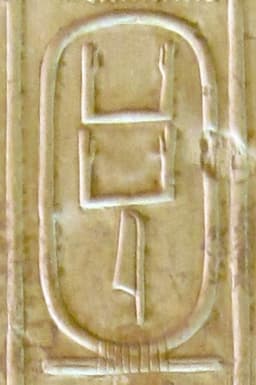
Neferirkare Kakai
Emperor · Ancient
37.8Total

Nitocris
Emperor · Ancient
41.9Total
Basic Information
Born
-2440
-2169
Died
-2430
-2160
Era
Ancient
Ancient
Nationality
Old Kingdom Egypt
Old Kingdom Egypt
Occupation
Emperor
Emperor
Civilization
Middle Eastern
Middle Eastern
Score Comparison
Military (10%)
36.2
33.4
Political (20%)
32.1
35.0
Influence (20%)
43.2
43.2
Legacy (20%)
33.3
35.0
Leadership (15%)
33.6
55.3
Strategy (15%)
51.9
54.4
TOTAL
37.8
41.9
Neferirkare Kakai — Complete Timeline
2440 BC
Administrative reforms and expansion of the bureaucracyReform
Neferirkare Kakai oversaw a significant expansion of the Egyptian state bureaucracy, as evidenced by the large number of dated administrative papyri found at Abusir. These records detail the organization of temple estates, work crews, and the distribution of goods.
AdministrationBureaucracyPapyri
Impact: nationalconstructive
Construction of the unfinished Pyramid of Neferirkare at AbusirCultural◆ Major
Neferirkare Kakai began building a pyramid at Abusir, originally planned as a step pyramid but later converted to a true pyramid. The pyramid was left unfinished at his death, with only the lower courses of stone completed, and the upper part was finished in mudbrick by his successors.
ArchitecturePyramidUnfinished
Impact: national
Donation of land to the sun temple of RaPolitical Action
Neferirkare Kakai issued a decree granting land and revenues to the sun temple of Ra at Abusir. This act, recorded on the Palermo Stone, reflects the growing power of the priesthood of Ra during the Fifth Dynasty.
ReligionLand GrantSun Temple
Impact: nationalconstructive
Nitocris — Complete Timeline
2169 BC
Accession as pharaohPolitical Action◆ Major
Nitocris became pharaoh after the death of Merenre Nemtyemsaf II, according to later Egyptian tradition. She is considered the first female pharaoh of Egypt, though her historicity is debated and she may be a legendary figure.
AccessionFemale PharaohOld Kingdom
Impact: national
2165 BC
Construction of the third pyramid of Giza (attributed)Cultural
Herodotus and other ancient writers attributed the construction of the third pyramid at Giza to Nitocris, though modern scholarship assigns it to Menkaure. This attribution reflects her legendary status as a builder-pharaoh.
PyramidArchitectureLegend
Impact: national
2160 BC
Suicide by flooding (legendary)Political Action
According to the historian Manetho, Nitocris committed suicide by flooding a room to avoid capture by her enemies. This story, likely apocryphal, symbolizes the end of the Old Kingdom and the chaos of the First Intermediate Period.
SuicideLegendFirst Intermediate Period
Impact: nationaltragic
This comparison has not been analyzed yet.
One-time AI generation (~1 minute). Scores and timeline are already available below.
Rankings
🥇
NitocrisLeader
Mil: 33.4Pol: 35.0Inf: 43.2
41.9
🥈
Neferirkare Kakai
Mil: 36.2Pol: 32.1Inf: 43.2
37.8
+4.1 behind
How This Comparison Works
Algorithm
Each figure is scored on 6 dimensions (0—100 scale) based on structured historical data: Military (10%), Political (20%), Influence (20%), Legacy (20%), Leadership (15%), Strategy (15%). The weighted total produces the final ranking.
Data Sources
Scores are computed from structured sub-indicators in the database. Scale factors adjust for era (Ancient ×0.85, Modern ×1.0) and civilization size (Eastern ×1.05, Other ×0.80) to account for differences in population and military scale.
Maximum 3 Figures
Comparisons are limited to 2—3 figures to ensure readability and statistical meaningfulness.
Error Margins
±5 points per dimension — Sub-scores are derived from historical records with inherent uncertainty. Two figures within 5 points on a dimension should be considered roughly equivalent in that area.
Total Score Accuracy
±3 points overall — The weighted combination of 6 dimensions produces a total score with approximately ±3 points of uncertainty. Differences of less than 3 points are not statistically significant— the figures are effectively tied.
Known Limitations
- Historical records are incomplete and uneven across civilizations
- Figures from oral-tradition societies may be underrepresented
- Occupation labels can misclassify multi-role figures
- Scores measure capability and impact, not moral character
- Quantitative scoring is a comparison tool, not absolute truth
Capability Radar
Military (10%) — Battles & Warfare
Battles
39
36
Win Rate
38
42
Expansion
46
44
Political (20%) — Governance & Reform
Reform
10
5
Diplomacy
10
5
Economy
10
5
Influence (20%) — Cultural & Global Reach
Cultural
10
10
Global
5
5
Legacy (20%) — Historical Impact
Historical
10
10
Longevity
10
10
Leadership (15%) — Power & Stability
Tenure
10
5
Stability
20
5
Strategy (15%) — Tactics & Innovation
Strategy
49
49
Tactics
52
49
Reform
55
53
Similar Comparisons
Comments & Discussion
No comments yet. Be the first to share your thoughts!