Loading...
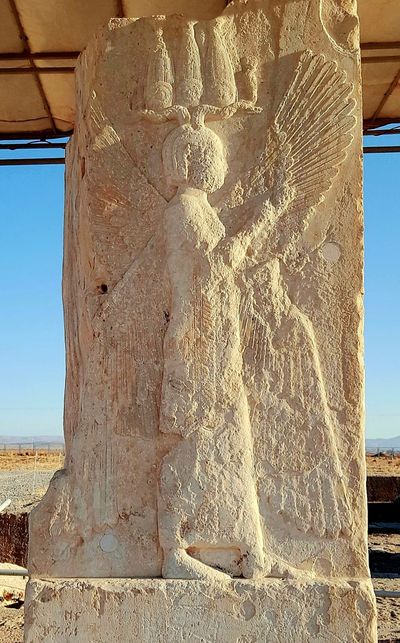
Cyrus the Great
AncientEmperorPersia-600 — -530
波斯阿契美尼德帝国的创建者,以宽容的统治方式和对人权的早期实践闻名。居鲁士圆柱被誉为第一部人权宣言。
Compare Cyrus the Great with another historical figure:
Quick Facts
Born
600 BCE
Died
530 BCE
Country
Persia
Era
Ancient
Occupation
Emperor
Score Overview
Military (10%)82
Political (20%)85
Influence (20%)85
Legacy (20%)90
Leadership (15%)78
Strategy (15%)75
Total Score83.9
Cyrus the Great — Complete Timeline
550 BC
Founding of the Achaemenid EmpirePolitical Action
Cyrus led a rebellion against the Median Empire, defeating King Astyages and capturing Ecbatana. He then united the Persian and Median tribes, establishing the Achaemenid Empire, which became the largest empire the world had yet seen.
Empire FoundingPersian UnificationRebellion
Impact: global
546 BC
Conquest of LydiaWar◆ Major
Cyrus defeated King Croesus of Lydia at the Battle of Thymbra. The Lydian capital Sardis was captured, and Croesus was taken prisoner. This conquest brought Anatolia under Persian control and secured access to the Aegean coast.
Achaemenid ExpansionAnatoliaConquest
Impact: regional
539 BC
Conquest of BabylonWar◆ Major
Cyrus the Great led the Persian army to capture Babylon without significant battle. The city's gates were opened, and Cyrus entered peacefully. This conquest added Mesopotamia to the Achaemenid Empire and marked the end of the Neo-Babylonian Empire.
Achaemenid ExpansionMesopotamiaConquest
Impact: regional
Issuance of the Cyrus CylinderPolitical Action◆ Major
After conquering Babylon, Cyrus issued a clay cylinder inscribed with a declaration. It described his policy of restoring temples, repatriating displaced peoples, and allowing religious freedom. The cylinder is often cited as an early charter of human rights.
Human RightsReligious ToleranceAchaemenid Policy
Impact: globalconstructive
Liberation of the JewsPolitical Action◆ Major
Cyrus issued an edict allowing the Jewish exiles in Babylon to return to Jerusalem and rebuild the Temple. This event is recorded in the biblical Book of Ezra and is a key moment in Jewish history, ending the Babylonian captivity.
Jewish HistoryReligious FreedomReturn from Exile
Impact: regionalconstructive
Detailed Scores
▶View all detailed scores
Military
Strategy
7
Tactics
7
Battles
7
Army Scale
7
War Impact
8
Political
Governance
7
Reform
7
Stability
7
Policy
7
Power
7
Influence
History
8
Global
8
Culture
8
Ideology
9
Legacy
8
People often compare with
See how Cyrus the Great stacks up against other historical figures
Popular Comparisons
Cyrus the Great vs Augustus
vs Augustus86
Cyrus the Great vs Qin Shi Huang
vs Qin Shi Huang85
Cyrus the Great vs Ashoka the Great
vs Ashoka the Great76
Cyrus the Great vs Trajan
vs Trajan76
Cyrus the Great vs Theodosius I
vs Theodosius I76
Cyrus the Great vs Ardashir I
vs Ardashir I76