Loading...
Analysis will be generated on first visit.
Scores and timeline are available below. The page will refresh automatically when ready.
Crassus vs Napoleon Bonaparte
Napoleon Bonaparte leads by 15.3 pts · 2 figures compared
…
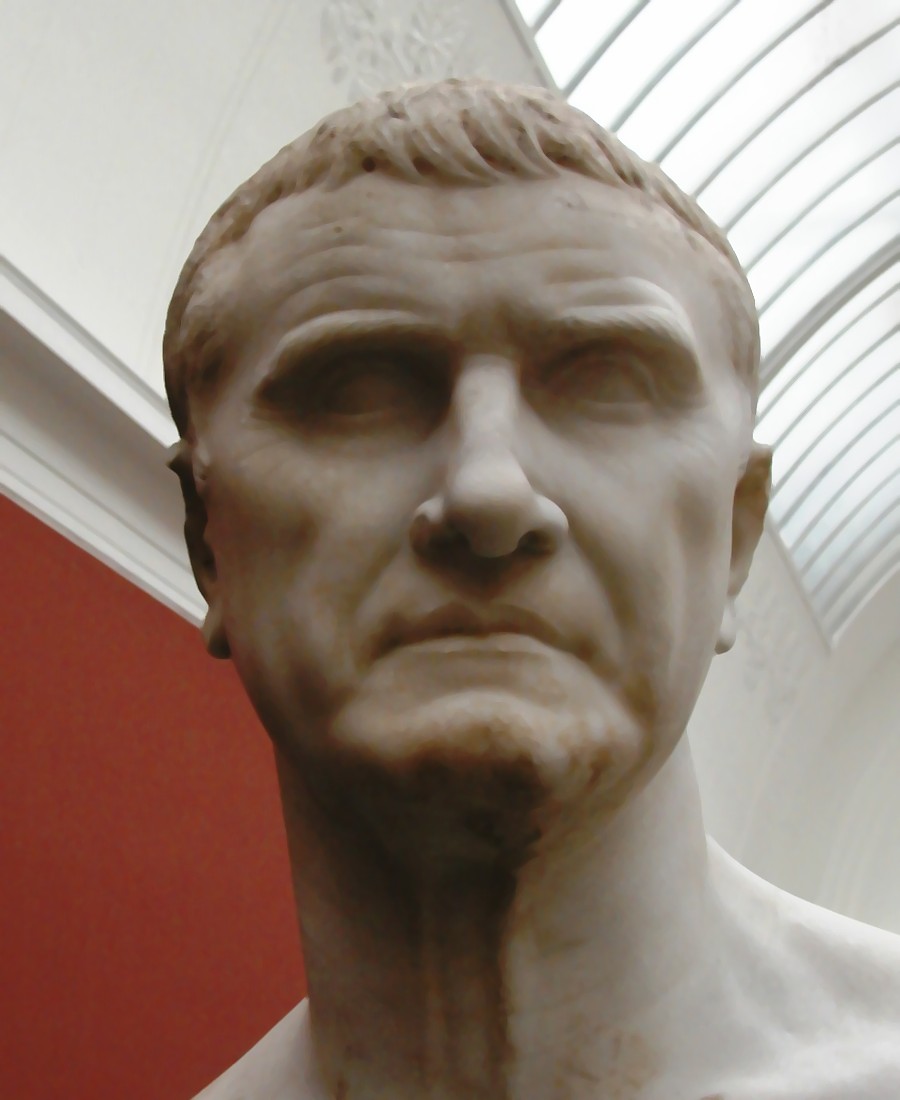
Crassus
General · Ancient
67.1Total
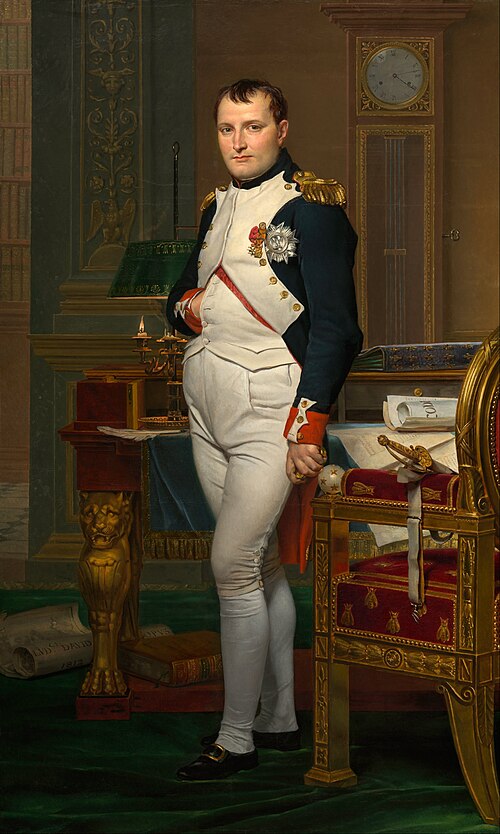
Napoleon Bonaparte
General · Modern
82.4Total
Basic Information
Born
-115
1769
Died
-53
1821
Era
Ancient
Modern
Nationality
Roman Republic
France
Occupation
General
General
Civilization
Western
Western
Score Comparison
Military (10%)
66.5
94.0
Political (20%)
72.0
75.0
Influence (20%)
72.6
82.0
Legacy (20%)
68.5
78.0
Leadership (15%)
72.0
80.0
Strategy (15%)
47.0
93.0
TOTAL
67.1
82.4
Rankings
🥇
Napoleon BonaparteLeader
Mil: 94.0Pol: 75.0Inf: 82.0
82.4
🥈
Crassus
Mil: 66.5Pol: 72.0Inf: 72.6
67.1
+15.3 behind
How This Comparison Works
Algorithm
Each figure is scored on 6 dimensions (0—100 scale) based on structured historical data: Military (10%), Political (20%), Influence (20%), Legacy (20%), Leadership (15%), Strategy (15%). The weighted total produces the final ranking.
Data Sources
Scores are computed from structured sub-indicators in the database. Scale factors adjust for era (Ancient ×0.85, Modern ×1.0) and civilization size (Eastern ×1.05, Other ×0.80) to account for differences in population and military scale.
Maximum 3 Figures
Comparisons are limited to 2—3 figures to ensure readability and statistical meaningfulness.
Error Margins
±5 points per dimension — Sub-scores are derived from historical records with inherent uncertainty. Two figures within 5 points on a dimension should be considered roughly equivalent in that area.
Total Score Accuracy
±3 points overall — The weighted combination of 6 dimensions produces a total score with approximately ±3 points of uncertainty. Differences of less than 3 points are not statistically significant— the figures are effectively tied.
Known Limitations
- Historical records are incomplete and uneven across civilizations
- Figures from oral-tradition societies may be underrepresented
- Occupation labels can misclassify multi-role figures
- Scores measure capability and impact, not moral character
- Quantitative scoring is a comparison tool, not absolute truth
Capability Radar
Military (10%) — Battles & Warfare
Battles
55
95
Win Rate
60
90
Expansion
30
95
Political (20%) — Governance & Reform
Reform
30
95
Diplomacy
60
80
Economy
85
85
Influence (20%) — Cultural & Global Reach
Cultural
40
85
Global
45
90
Legacy (20%) — Historical Impact
Historical
55
95
Longevity
50
90
Leadership (15%) — Power & Stability
Tenure
65
85
Stability
40
70
Strategy (15%) — Tactics & Innovation
Strategy
40
95
Tactics
45
98
Reform
10
92
Analysis will be generated on first visit.
Scores and timeline are available below. The page will refresh automatically when ready.
Crassus — Complete Timeline
71 BC
Suppression of Spartacus's RevoltWar◆ Major
Crassus raised and commanded six legions to crush the slave rebellion led by Spartacus. After cornering and defeating the rebels in Lucania, he crucified 6,000 survivors along the Appian Way, ending the Third Servile War.
Slave RevoltSpartacusCrucifixionThird Servile War
Impact: nationaldestructive
60 BC
Formation of the First TriumviratePolitical Action
Crassus allied with Julius Caesar and Pompey the Great to form an informal political coalition known as the First Triumvirate. This alliance dominated Roman politics, advancing each member's interests against the Senate.
Political AllianceCaesarPompeySenate
Impact: global
53 BC
Battle of CarrhaeWar◆ Major
Crassus invaded Parthia without proper support and was defeated at Carrhae. His army was annihilated by Parthian cavalry, and Crassus was killed during negotiations. This disaster marked a major Roman defeat and ended the Triumvirate.
Parthian WarDefeatDeath
Impact: regionaltragic
Similar Comparisons
Comments & Discussion
CRASSUS_CURSE6/17/2026
You can’t seriously compare a glorified landlord to the man who redrew Europe’s borders. Crassus bought legions like groceries and still couldn’t win a real war. His Parthian disaster wasn’t bad luck—it was arrogance, pure and simple. He thought money could buy him Carrhae and got his head turned into a stage prop instead. Napoleon at least made the world tremble. Crassus made a footnote for rich idiots who think cash equals competence.
银箭信差6/17/2026
拿克苏斯和拿破仑比?这就像问一个粮仓守护神和一个风暴之神谁更高明。克苏斯建立了财富,但财富建在奴隶的脊背上,而他自己的死法比他的奴隶还滑稽——金子在喉咙里融化。拿破仑倒台后,流放地岛还能留下法典和现代国家框架。克苏斯死了,连罗马都懒得记个碑文。钱能买来军靴,买不来历史座次。
SALVO_SCRUTINIZER6/17/2026
Cute comparison, but you’re cherry-picking to spotlight Napoleon’s “vision” while ignoring that Crassus’s defeat had structural causes beyond his gold. Carrhae was Parthian cataphracts vs. Roman heavy infantry—it wasn’t just bad generalship, it was a doctrinal blindspot. Also, calling Crassus “riches over war” misses how he bankrolled Caesar’s rise. Without Crassus’s money, no Gallic Wars, no Rubicon. Napoleon’s shadow? Maybe. But Crassus held the purse strings that made shadows possible.
斜塔守望者6/17/2026
历史评选永远偏心赢家。拿破仑惨败滑铁卢,回家写回忆录,至今还保存在巴黎荣军院。克苏斯死在万里沙丘,连尸骨都喂了鹰,自然没人写他的辉煌。但你若比一比,克苏斯在罗马政治里滑得像条鱼,用白银和粮食操控元老院,拿破仑最后连巴黎都管不住。注定的不是能力差异,是死得漂亮与否——史学家的笔总爱写灰烬里最后升起的烟。
CARTHAGO_DELISTA6/17/2026
Let’s cut the myth. Napoleon’s “shadow” is overblown because romantic nationalists needed a hero. Crassus didn’t vanish—he’s the prototype for every plutocrat who mistakes a balance sheet for a battleground. Carrhae wasn’t just defeat; it was a lesson in humility that modern oligarchs still refuse to learn. Meanwhile, Napoleon bankrupted France twice, lost Egypt’s fleet, and still got called a genius. Call me when Crassus leads an army through a Russian winter. Oh wait—he was