Loading...
Ahmet Necdet Sezer vs Giovanni Gronchi
Ahmet Necdet Sezer leads by 1.9 pts · 2 figures compared
…

Ahmet Necdet Sezer
Politician · Modern
52.8Total
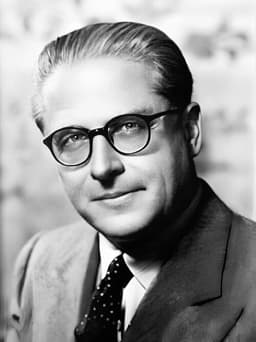
Giovanni Gronchi
Politician · Modern
50.9Total
Basic Information
Born
1941
1887
Died
—
1978
Era
Modern
Modern
Nationality
Turkey
Italy
Occupation
Politician
Politician
Civilization
Middle Eastern
Western
Score Comparison
Military (10%)
38.4
19.5
Political (20%)
68.0
68.0
Influence (20%)
51.8
54.9
Legacy (20%)
42.5
43.3
Leadership (15%)
72.0
72.0
Strategy (15%)
43.5
34.4
TOTAL
52.8
50.9
Ahmet Necdet Sezer — Complete Timeline
1998 AD
Appointed as President of the Constitutional CourtPolitical Action◆ Major
Ahmet Necdet Sezer was appointed as the President of the Turkish Constitutional Court, the highest judicial authority. He served in this role until 2000.
Constitutional CourtJudiciaryChief Justice
Impact: nationalconstructive
2000 AD
Elected President of TurkeyPolitical Action◆ Major
Sezer was elected as the 10th President of Turkey by the Grand National Assembly. He was the first president from a judicial background and was seen as a secularist.
PresidencySecularismJudicial Background
Impact: nationalconstructive
2002 AD
Vetoed Constitutional Amendments on HeadscarfPolitical Action◆ Major
Sezer vetoed constitutional amendments proposed by the AK Party government that would have allowed women to wear headscarves in universities. He argued the amendments violated secular principles.
Headscarf BanSecularismConstitutional Veto
Impact: national
2003 AD
Clashed with the AK Party GovernmentPolitical Action
Sezer frequently vetoed AK Party legislation and criticized the government for undermining secularism. His presidency was marked by tensions between the secularist establishment and the Islamist-rooted government.
AK PartySecularismPolitical Tensions
Impact: national
2007 AD
End of Presidential TermPolitical Action
Sezer's seven-year presidential term ended. He was succeeded by Abdullah Gul, whose election sparked a constitutional crisis due to his AK Party background and his wife's headscarf.
Presidential TermSuccessionConstitutional Crisis
Impact: national
Giovanni Gronchi — Complete Timeline
1948 AD
President of the Chamber of DeputiesPolitical Action
Gronchi served as President of the Italian Chamber of Deputies from 1948 to 1955. In this role, he managed parliamentary procedures during a period of intense political polarization between Christian Democrats and the left, maintaining legislative functionality.
Parliamentary RoleLegislative Process
Impact: national
1950 AD
Founded the Christian Trade Union (CISL)Political Action◆ Major
Gronchi was instrumental in founding the Italian Confederation of Workers' Trade Unions (CISL) in 1950, a Catholic-oriented labor union. This organization aimed to provide an alternative to the communist-dominated CGIL, shaping post-war Italian labor relations and political alignments.
Labor MovementChristian DemocracyTrade Union
Impact: nationalconstructive
1955 AD
Elected President of ItalyPolitical Action◆ Major
Gronchi was elected as the third President of Italy on April 29, 1955, with support from the left and the Christian Democracy left wing. His presidency was marked by efforts to expand presidential powers and a more active foreign policy, including opening relations with the Soviet bloc.
PresidencyItalian RepublicForeign Policy
Impact: nationalconstructive
1962 AD
Supported the 'Opening to the Left'Political Action◆ Major
After his presidency, Gronchi supported the 'Opening to the Left' policy, which brought the Italian Socialist Party into government coalition with the Christian Democrats. This shift ended the centrist coalition era and initiated a period of center-left governments in Italy.
Coalition PoliticsItalian Socialist PartyPolitical Shift
Impact: nationalconstructive
Expert Analysis
Origins
Ahmet Necdet Sezer was born on September 13, 1941, in Afyonkarahisar, Turkey. He studied law at Ankara University and began his career as a judge. His background was purely judicial, with no political experience before his presidency. Sezer rose through the ranks of the Turkish judiciary, becoming a member of the Constitutional Court in 1988 and its President in 1998.
Giovanni Gronchi was born on September 10, 1887, in Pontedera, Italy. He studied literature and philosophy at the University of Pisa and later became a teacher. Gronchi was active in the Catholic labor movement and was a founding member of the Italian People's Party in 1919. He was elected to the Chamber of Deputies in 1919 and served as Minister of Industry and Commerce during World War I.
Rise to Power
Sezer's rise was unconventional for a Turkish president. He was appointed President of the Constitutional Court in 1998, and in 2000, he was elected President of Turkey by the Grand National Assembly as a compromise candidate. His election was seen as a victory for secular forces, as he was the first president with a judicial background.
Gronchi's rise was more political. He was a prominent figure in the Christian Democracy party and served as President of the Chamber of Deputies from 1948 to 1955. In 1955, he was elected President of Italy with support from the left and the left-wing of his party, defeating the official Christian Democracy candidate. His election marked a shift in Italian politics.
Leadership & Governance
Sezer's leadership was defined by his strict adherence to secularism and the rule of law. He frequently vetoed legislation proposed by the AK Party government, particularly on issues like the headscarf ban and appointments. He used his presidential veto power 74 times, more than any previous president. His style was confrontational, leading to tensions with Prime Minister Recep Tayyip Erdogan.
Gronchi's presidency (1955-1962) was marked by his efforts to expand presidential powers and his support for social reforms. He advocated for a more active foreign policy, including closer ties with the Soviet Union and the Arab world. He clashed with the conservative establishment and attempted to influence government formation, notably supporting the 'Opening to the Left' that later brought the Socialists into government.
Triumph & Tragedy
Sezer's greatest success was upholding the secular constitution during a period of Islamist political ascendancy. He vetoed amendments that would have allowed headscarves in universities, arguing they violated secular principles. However, his confrontational approach alienated the government and led to a constitutional crisis in 2007 when his successor was elected. His legacy is mixed: respected by secularists but criticized for political inflexibility.
Gronchi's major triumph was founding the CISL trade union, which strengthened Catholic labor representation. He also successfully pushed for a more independent presidency. However, his attempt to create a 'presidential party' failed, and his foreign policy initiatives, like the 'Gronchi Plan' for economic cooperation with the Soviet bloc, were largely unsuccessful. He left office with limited lasting influence.
Character & Destiny
Sezer was known for his integrity and principled stance, but also for his rigidity. His judicial background made him a strict constitutionalist, but his lack of political experience hindered his ability to compromise. This ultimately limited his effectiveness, as he was unable to prevent the erosion of secularism after his term.
Gronchi was ambitious and sought to expand presidential power, but his political maneuvering often backfired. He was seen as a maverick within the Christian Democracy, but his support for the left alienated many in his own party. His presidency is often viewed as a missed opportunity for institutional reform.
Legacy
Sezer's legacy is primarily as a defender of secularism in Turkey. His vetoes set precedents for judicial review of legislation, but his confrontational style may have accelerated the centralization of power in the executive. He scored 42.5 in Legacy, reflecting limited long-term impact.
Gronchi's legacy is more institutional. He helped establish the CISL, which remains a major Italian trade union. His presidency contributed to the evolution of the Italian presidency as a more active political role, though subsequent presidents have been more cautious. His Legacy score is 43.3, slightly higher than Sezer's.
Conclusion
While Sezer and Gronchi had similar total scores (52.8 vs 50.9), their impacts differ. Sezer's defense of secularism in Turkey had direct consequences for the country's political trajectory, but his rigid approach limited his achievements. Gronchi's efforts to expand presidential power and support the left were innovative but largely unsuccessful. On balance, Sezer had a more significant impact on his country's constitutional order, as his vetoes and judicial background shaped Turkish politics for years. Gronchi's influence was more diffuse and less enduring. Therefore, Sezer edges out Gronchi in overall historical impact.
Rankings
🥇
Ahmet Necdet SezerLeader
Mil: 38.4Pol: 68.0Inf: 51.8
52.8
🥈
Giovanni Gronchi
Mil: 19.5Pol: 68.0Inf: 54.9
50.9
+1.9 behind
How This Comparison Works
Algorithm
Each figure is scored on 6 dimensions (0—100 scale) based on structured historical data: Military (10%), Political (20%), Influence (20%), Legacy (20%), Leadership (15%), Strategy (15%). The weighted total produces the final ranking.
Data Sources
Scores are computed from structured sub-indicators in the database. Scale factors adjust for era (Ancient ×0.85, Modern ×1.0) and civilization size (Eastern ×1.05, Other ×0.80) to account for differences in population and military scale.
Maximum 3 Figures
Comparisons are limited to 2—3 figures to ensure readability and statistical meaningfulness.
Error Margins
±5 points per dimension — Sub-scores are derived from historical records with inherent uncertainty. Two figures within 5 points on a dimension should be considered roughly equivalent in that area.
Total Score Accuracy
±3 points overall — The weighted combination of 6 dimensions produces a total score with approximately ±3 points of uncertainty. Differences of less than 3 points are not statistically significant— the figures are effectively tied.
Known Limitations
- Historical records are incomplete and uneven across civilizations
- Figures from oral-tradition societies may be underrepresented
- Occupation labels can misclassify multi-role figures
- Scores measure capability and impact, not moral character
- Quantitative scoring is a comparison tool, not absolute truth
Capability Radar
Military (10%) — Battles & Warfare
Battles
22
22
Win Rate
26
27
Expansion
25
30
Political (20%) — Governance & Reform
Reform
45
45
Diplomacy
50
55
Economy
40
40
Influence (20%) — Cultural & Global Reach
Cultural
20
30
Global
20
30
Legacy (20%) — Historical Impact
Historical
25
35
Longevity
20
25
Leadership (15%) — Power & Stability
Tenure
55
60
Stability
50
50
Strategy (15%) — Tactics & Innovation
Strategy
33
31
Tactics
33
34
Reform
35
39
Similar Comparisons
Comments & Discussion
No comments yet. Be the first to share your thoughts!