Loading...
Akbar the Great vs Franklin D. Roosevelt
Akbar the Great leads by 4.9 pts · 2 figures compared
…
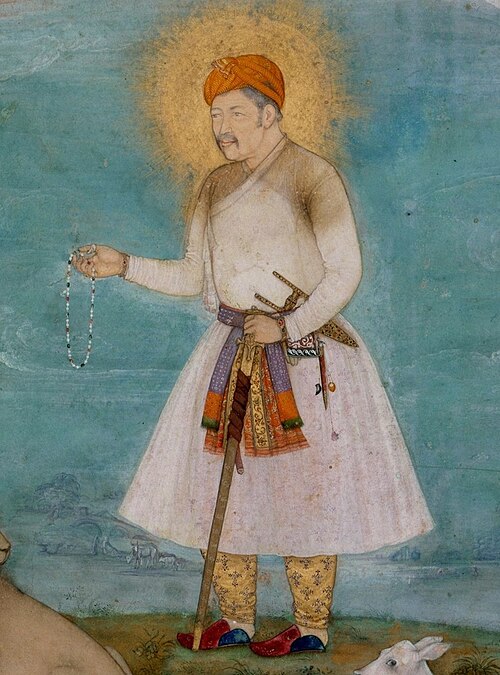
Akbar the Great
Emperor · Modern
80.6Total
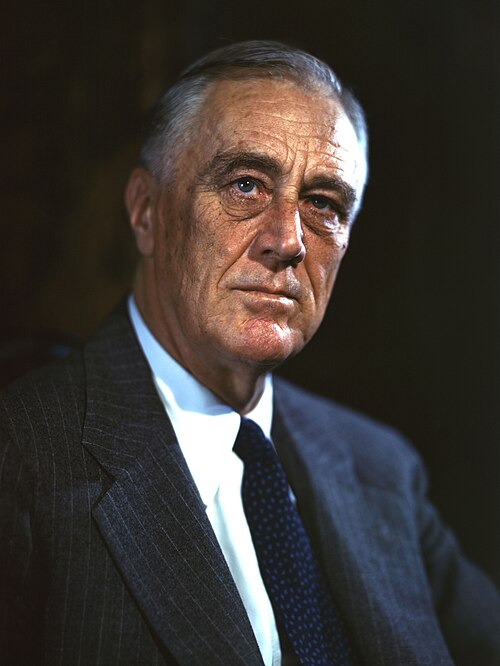
Franklin D. Roosevelt
Politician · Modern
75.7Total
Basic Information
Born
1542
1882
Died
1605
1945
Era
Modern
Modern
Nationality
India
United States
Occupation
Emperor
Politician
Civilization
Indian
Western
Score Comparison
Military (10%)
80.0
60.0
Political (20%)
85.0
85.0
Influence (20%)
78.0
72.0
Legacy (20%)
80.0
75.0
Leadership (15%)
85.0
85.0
Strategy (15%)
75.0
70.0
TOTAL
80.6
75.7
Rankings
🥇
Akbar the GreatLeader
Mil: 80.0Pol: 85.0Inf: 78.0
80.6
🥈
Franklin D. Roosevelt
Mil: 60.0Pol: 85.0Inf: 72.0
75.7
+4.9 behind
How This Comparison Works
Algorithm
Each figure is scored on 6 dimensions (0—100 scale) based on structured historical data: Military (10%), Political (20%), Influence (20%), Legacy (20%), Leadership (15%), Strategy (15%). The weighted total produces the final ranking.
Data Sources
Scores are computed from structured sub-indicators in the database. Scale factors adjust for era (Ancient ×0.85, Modern ×1.0) and civilization size (Eastern ×1.05, Other ×0.80) to account for differences in population and military scale.
Maximum 3 Figures
Comparisons are limited to 2—3 figures to ensure readability and statistical meaningfulness.
Error Margins
±5 points per dimension — Sub-scores are derived from historical records with inherent uncertainty. Two figures within 5 points on a dimension should be considered roughly equivalent in that area.
Total Score Accuracy
±3 points overall — The weighted combination of 6 dimensions produces a total score with approximately ±3 points of uncertainty. Differences of less than 3 points are not statistically significant— the figures are effectively tied.
Known Limitations
- Historical records are incomplete and uneven across civilizations
- Figures from oral-tradition societies may be underrepresented
- Occupation labels can misclassify multi-role figures
- Scores measure capability and impact, not moral character
- Quantitative scoring is a comparison tool, not absolute truth
Capability Radar
Military (10%) — Battles & Warfare
Battles
85
10
Win Rate
90
10
Expansion
88
10
Political (20%) — Governance & Reform
Reform
95
95
Diplomacy
92
90
Economy
88
95
Influence (20%) — Cultural & Global Reach
Cultural
85
80
Global
70
90
Legacy (20%) — Historical Impact
Historical
80
90
Longevity
75
85
Leadership (15%) — Power & Stability
Tenure
90
90
Stability
85
75
Strategy (15%) — Tactics & Innovation
Strategy
85
65
Tactics
80
10
Reform
75
70
Expert Analysis
Franklin D. Roosevelt vs Akbar the Great: Historical Comparison
Franklin D. Roosevelt, the 32nd U.S. President, steered America through the Great Depression and World War II, while Akbar the Great, the third Mughal Emperor, consolidated and expanded one of the world’s most powerful empires through military might and administrative genius. Despite their vastly different contexts, both are titans of statecraft and legacy.
Dimension Analysis
**Military: Franklin D. Roosevelt 60 / Akbar the Great 80**
Roosevelt commanded as Commander-in-Chief during WWII but relied heavily on professional generals and naval strategy. Akbar personally led campaigns that tripled the Mughal Empire’s territory, innovating with artillery and cavalry tactics that crushed rival kingdoms.
**Political: Franklin D. Roosevelt 85 / Akbar the Great 85**
Both were master politicians. Roosevelt forged the New Deal coalition, expanded federal power, and won four elections. Akbar centralized the Mughal bureaucracy, created a policy of religious tolerance (Sulh-e-Kul), and integrated Hindu Rajput elites into his court—a brilliant political balancing act.
**Influence: Franklin D. Roosevelt 72 / Akbar the Great 78**
Roosevelt’s influence reshaped the American presidency and global order (UN, Bretton Woods). Akbar’s influence endured for centuries, setting templates for Indian governance, religious pluralism, and cultural synthesis that still resonate in modern India.
**Legacy: Franklin D. Roosevelt 75 / Akbar the Great 80**
Roosevelt’s legacy is debated—his New Deal programs remain pillars of U.S. social policy, but critics cite executive overreach. Akbar’s legacy is more uniformly praised: he is remembered as a just, visionary ruler who fostered an Indian Renaissance in art, architecture, and administration.
**Leadership: Franklin D. Roosevelt 85 / Akbar the Great 85**
Both were charismatic, resilient leaders. Roosevelt’s fireside chats and personal diplomacy inspired a nation in crisis. Akbar’s hands-on governance, patronage of diverse scholars, and ability to command loyalty from Hindus and Muslims alike mark him as a peerless imperial leader.
Verdict
Akbar the Great leads narrowly due to his superior military achievements and a more enduring, less contested legacy as a founding architect of a pluralistic Indian state.
FAQ
Q: Who ranks higher? A: Akbar the Great, with an overall score of 81 to Roosevelt’s 76, based on higher marks in military, influence, and legacy.
Similar Comparisons
Comments & Discussion
No comments yet. Be the first to share your thoughts!