Loading...
Akbar the Great vs Deng Xiaoping
Akbar the Great leads by 6.4 pts · 2 figures compared
…
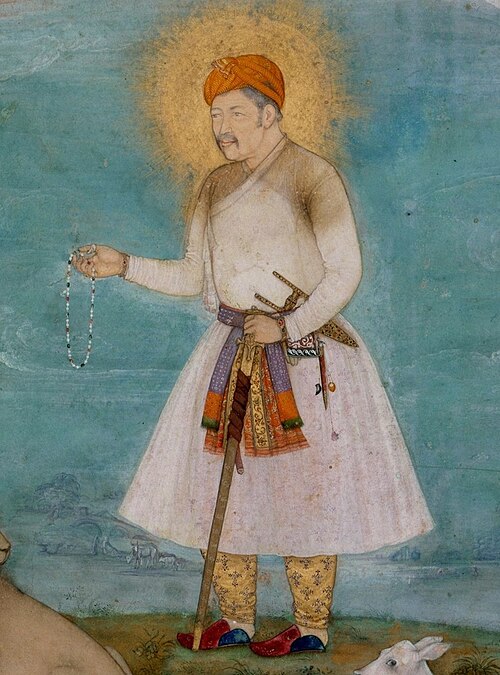
Akbar the Great
Emperor · Modern
80.6Total
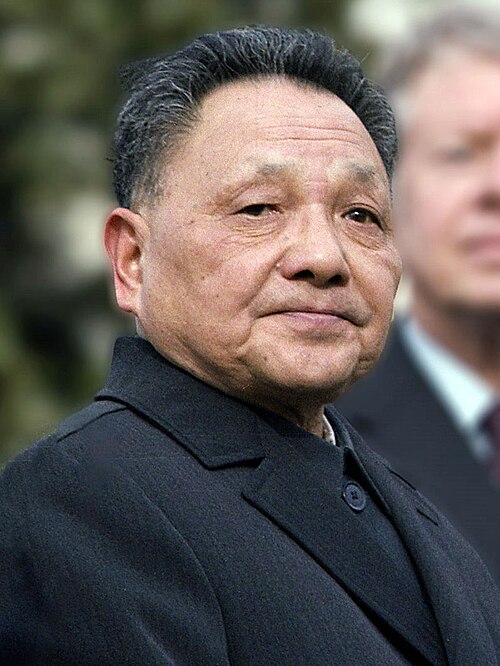
Deng Xiaoping
Politician · Modern
74.2Total
Basic Information
Born
1542
1904
Died
1605
1997
Era
Modern
Modern
Nationality
India
China
Occupation
Emperor
Politician
Civilization
Indian
Eastern
Score Comparison
Military (10%)
80.0
45.0
Political (20%)
85.0
88.0
Influence (20%)
78.0
78.0
Legacy (20%)
80.0
75.0
Leadership (15%)
85.0
78.0
Strategy (15%)
75.0
65.0
TOTAL
80.6
74.2
Rankings
🥇
Akbar the GreatLeader
Mil: 80.0Pol: 85.0Inf: 78.0
80.6
🥈
Deng Xiaoping
Mil: 45.0Pol: 88.0Inf: 78.0
74.2
+6.4 behind
How This Comparison Works
Algorithm
Each figure is scored on 6 dimensions (0—100 scale) based on structured historical data: Military (10%), Political (20%), Influence (20%), Legacy (20%), Leadership (15%), Strategy (15%). The weighted total produces the final ranking.
Data Sources
Scores are computed from structured sub-indicators in the database. Scale factors adjust for era (Ancient ×0.85, Modern ×1.0) and civilization size (Eastern ×1.05, Other ×0.80) to account for differences in population and military scale.
Maximum 3 Figures
Comparisons are limited to 2—3 figures to ensure readability and statistical meaningfulness.
Error Margins
±5 points per dimension — Sub-scores are derived from historical records with inherent uncertainty. Two figures within 5 points on a dimension should be considered roughly equivalent in that area.
Total Score Accuracy
±3 points overall — The weighted combination of 6 dimensions produces a total score with approximately ±3 points of uncertainty. Differences of less than 3 points are not statistically significant— the figures are effectively tied.
Known Limitations
- Historical records are incomplete and uneven across civilizations
- Figures from oral-tradition societies may be underrepresented
- Occupation labels can misclassify multi-role figures
- Scores measure capability and impact, not moral character
- Quantitative scoring is a comparison tool, not absolute truth
Capability Radar
Military (10%) — Battles & Warfare
Battles
85
0
Win Rate
90
0
Expansion
88
0
Political (20%) — Governance & Reform
Reform
95
95
Diplomacy
92
80
Economy
88
95
Influence (20%) — Cultural & Global Reach
Cultural
85
70
Global
70
90
Legacy (20%) — Historical Impact
Historical
80
90
Longevity
75
85
Leadership (15%) — Power & Stability
Tenure
90
85
Stability
85
75
Strategy (15%) — Tactics & Innovation
Strategy
85
0
Tactics
80
0
Reform
75
0
Expert Analysis
Akbar the Great vs Deng Xiaoping: Historical Comparison
Akbar the Great (1542–1605) unified Mughal India through military conquest and cultural synthesis, while Deng Xiaoping (1904–1997) transformed China from a Maoist state into a global economic power. This comparison evaluates their effectiveness across six dimensions.
Dimension Analysis
**Military: Akbar the Great 80 / Deng Xiaoping 45**
Akbar expanded the Mughal Empire through innovative artillery, cavalry tactics, and the mansabdari system, securing control over most of the Indian subcontinent. Deng, by contrast, prioritized economic over military strength, overseeing China’s modernization but engaging only in border conflicts (e.g., 1979 Sino-Vietnamese War).
**Political: Akbar the Great 85 / Deng Xiaoping 88**
Akbar consolidated power through religious tolerance (abolishing the jizya tax on non-Muslims) and a centralized bureaucracy, but faced persistent Rajput and Afghan rebellions. Deng outmaneuvered Maoist hardliners to launch market reforms, dismantling communes while retaining single-party rule—a more durable political restructuring.
**Influence: Akbar the Great 78 / Deng Xiaoping 78**
Akbar’s syncretic Din-i-Ilahi faith and patronage of arts (Mughal painting, architecture) influenced South Asian culture for centuries. Deng’s “Reform and Opening Up” reshaped global supply chains and lifted hundreds of millions from poverty, yet his influence remains tied to China’s authoritarian state capitalism.
**Legacy: Akbar the Great 80 / Deng Xiaoping 75**
Akbar’s empire fragmented after his death, but his administrative system (land revenue, provincial governance) endured under later Mughals and British rule. Deng’s legacy is contested: China’s economic rise is undeniable, but his suppression of the Tiananmen protests (1989) and reliance on state repression tarnish his historical standing.
**Leadership: Akbar the Great 85 / Deng Xiaoping 78**
Akbar personally led campaigns and cultivated loyalty through meritocratic appointments, even marrying Rajput princesses to secure alliances. Deng operated as a cautious “paramount leader” behind the scenes, guiding policy through coalitions and pragmatism but lacking Akbar’s charismatic battlefield presence.
Verdict
Akbar the Great leads overall due to superior military-strategic vision and a more culturally transformative leadership style, though Deng’s political restructuring had a greater global economic impact.
FAQ
Q: Who ranks higher? A: Akbar the Great ranks higher, driven by stronger military and leadership scores that outweigh Deng’s slight political edge.
Similar Comparisons
Comments & Discussion
No comments yet. Be the first to share your thoughts!