Loading...
Ammurapi vs Zenobia
Zenobia leads by 19.6 pts · 2 figures compared
…

Ammurapi
Emperor · Ancient
36.0Total
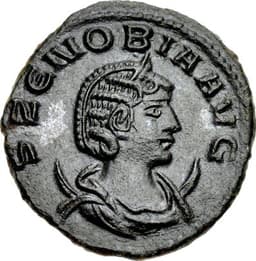
Zenobia
Emperor · Ancient
55.6Total
Basic Information
Born
-1215
240
Died
-1185
274
Era
Ancient
Ancient
Nationality
Ugarit
Palmyrene Empire
Occupation
Emperor
Emperor
Civilization
Middle Eastern
Middle Eastern
Score Comparison
Military (10%)
10.2
61.7
Political (20%)
27.9
61.3
Influence (20%)
44.8
56.4
Legacy (20%)
35.8
48.3
Leadership (15%)
44.5
58.8
Strategy (15%)
39.6
52.5
TOTAL
36.0
55.6
Ammurapi — Complete Timeline
1185 BC
Destruction of Ugarit by the Sea PeoplesWar
Ammurapi was the last king of Ugarit when the city was destroyed by the Sea Peoples, a confederation of maritime raiders. The attack occurred during a period of widespread collapse in the Late Bronze Age, leading to the abandonment of Ugarit and the end of its kingdom.
Sea PeoplesCollapseUgarit
Impact: regionaltragic
Plea for Help to the King of AlasiyaPolitical Action◆ Major
Ammurapi sent a desperate letter to the king of Alasiya (Cyprus) requesting military aid against the approaching Sea Peoples. The letter, found in the Ugarit archives, reveals the urgency of the threat and the lack of effective response from allies, preceding the city's fall.
DiplomacySea PeoplesCrisis
Impact: regionaltragic
Zenobia — Complete Timeline
269 AD
Conquest of EgyptWar◆ Major
Zenobia, queen of Palmyra, led her army in conquering Egypt from the Roman Empire. She claimed descent from Cleopatra and presented herself as a liberator. The conquest gave Palmyra control of Egypt's grain supply and established Zenobia as a major power in the East.
Palmyrene EmpireEgyptConquest
Impact: regional
270 AD
Conquest of Anatolia and SyriaWar◆ Major
Zenobia expanded the Palmyrene Empire by conquering much of Anatolia and Syria, including the cities of Antioch and Tarsus. Her general Zabdas defeated the Roman prefect Tenagino Probus. By 271, Zenobia controlled a vast territory from Egypt to the Bosphorus.
Palmyrene EmpireConquestRoman Empire
Impact: regional
Declaration of independence from RomePolitical Action◆ Major
Zenobia declared Palmyra's independence from the Roman Empire, minting coins with her image and assuming the title of Augusta. She established a separate court and administration, challenging Roman authority in the East and creating the Palmyrene Empire.
Palmyrene EmpireIndependenceRoman Empire
Impact: regional
272 AD
Battle of EmesaWar◆ Major
Zenobia's army was defeated by the Roman emperor Aurelian at the Battle of Emesa. Despite initial success, the Palmyrene forces were routed. Zenobia fled to Palmyra, which was then besieged by Aurelian. This battle marked the beginning of the end of the Palmyrene Empire.
Palmyrene EmpireBattleRoman Empire
Impact: regionaltragic
Capture and exilePolitical Action◆ Major
Zenobia was captured by Aurelian while attempting to flee to the Sassanid Empire. She was taken to Rome and paraded in Aurelian's triumph in 274 AD. According to most accounts, she was granted a villa in Tibur (Tivoli) and lived out her life in comfortable exile.
CaptureExileRoman Empire
Impact: regionaltragic
Expert Analysis
Origins
**Ammurapi** was the last king of Ugarit, a wealthy city-state in modern-day Syria that flourished during the Late Bronze Age. Born around 1215 BC, he ascended the throne around 1210 BC. Ugarit was a cosmopolitan center of trade and culture, known for its alphabetic cuneiform script. Ammurapi's family had ruled for generations, but his reign coincided with the collapse of the Bronze Age civilizations across the Eastern Mediterranean.
**Zenobia** was born around 240 AD in Palmyra, a wealthy oasis city in the Syrian desert that thrived as a trading hub between the Roman and Parthian (later Sassanid) empires. Her family was of Arab and Aramean descent; she claimed lineage from Cleopatra VII of Egypt and the Seleucid kings. She married Septimius Odaenathus, the Roman-appointed ruler of Palmyra, and after his assassination in 267 AD, she became regent for her young son Vaballathus.
Rise to Power
**Ammurapi** inherited a kingdom already under threat. The Sea Peoples, a confederation of maritime raiders, were sweeping through the Eastern Mediterranean, destroying cities like Hattusa (the Hittite capital) and Mycenae. Ugarit was a key ally of the Hittite Empire, but as the Hittite state crumbled, Ammurapi found himself isolated. He sent desperate letters to the king of Alasiya (Cyprus) and the Hittite king, begging for military aid. The letters, discovered in the ruins of Ugarit, reveal his growing alarm as the enemy approached.
**Zenobia** rose to power after her husband's death. Odaenathus had been the effective ruler of the Roman East, defeating the Sassanids and restoring Roman authority. Zenobia skillfully consolidated power, claiming the title of Augusta and minting coins with her image. In 269 AD, she launched a military campaign that conquered Egypt, Syria, and Anatolia, creating the Palmyrene Empire. Her general Zabdas defeated the Roman prefect of Egypt, and she presented herself as a liberator from Roman oppression.
Leadership & Governance
**Ammurapi** ruled during a period of existential crisis. His leadership was reactive: he sought alliances and begged for help, but Ugarit's military was weak. The city's defenses were inadequate against the Sea Peoples. Ammurapi's governance was typical of Late Bronze Age monarchs—centralized and reliant on tribute and trade. However, he failed to mobilize effective resistance. His scores reflect this: Military 10.2, Political 27.9, Leadership 44.5.
**Zenobia** was a proactive and charismatic leader. She expanded her realm through military conquest and governed with a mix of Roman and Persian styles. She welcomed scholars and artists to her court, including the philosopher Longinus. She maintained Roman administrative structures while asserting independence. Her political acumen is evident in her diplomatic overtures to the Sassanid Empire and her careful propaganda. She scored 61.3 in Political and 58.8 in Leadership.
Triumph & Tragedy
**Ammurapi's** greatest achievement was preserving Ugarit's cultural legacy through its written records, which provide invaluable insights into Late Bronze Age society. His tragedy was total: Ugarit was burned and never rebuilt. The city was destroyed around 1190 BC, and Ammurapi's fate is unknown—he may have died in the attack or fled. The destruction of Ugarit marked the end of a civilization.
**Zenobia's** triumph was the conquest of Egypt and much of the Roman East, creating a short-lived empire that challenged Rome's dominance. She claimed descent from Cleopatra and styled herself as a queen of the East. Her tragedy came when the Roman emperor Aurelian turned his attention to Palmyra. After initial successes, her army was defeated at the Battle of Emesa in 272 AD. She was captured while fleeing to the Sassanids, then paraded in Rome in 274 AD. She was later exiled to Tivoli, where she lived out her days in relative comfort.
Character & Destiny
**Ammurapi** appears as a desperate ruler facing forces beyond his control. His letters show a man aware of his impending doom, pleading for help but receiving none. His destiny was sealed by the broader collapse of the Bronze Age, a catastrophe that destroyed many kingdoms. He scored 44.5 in Leadership and 39.6 in Strategy, reflecting his inability to adapt to the crisis.
**Zenobia** was ambitious, intelligent, and determined. She presented herself as a female ruler in a male-dominated world, drawing on the legacy of Cleopatra. Her character combined Roman pragmatism with Eastern grandeur. However, her ambition led to overreach: after conquering Egypt, she declared independence from Rome, provoking Aurelian's response. She scored 61.7 in Military and 52.5 in Strategy, but her political miscalculation led to her downfall.
Legacy
**Ammurapi's** legacy is tied to the discovery of the Ugaritic texts in the 20th century. The clay tablets found in the ruins include the earliest known alphabet and literary works like the Epic of Baal. His name is known primarily from these documents. He is a symbol of a civilization's end, scoring 44.8 in Influence and 35.8 in Legacy.
**Zenobia's** legacy is more enduring. She is remembered as a symbol of Syrian nationalism and female power. Her story has inspired artists, writers, and historians. She scored 56.4 in Influence and 48.3 in Legacy. Her brief empire demonstrated the fragility of Roman control in the East and foreshadowed later challenges from the Sassanids and Arabs.
Conclusion
Zenobia had greater impact. Her total score of 55.6 far exceeds Ammurapi's 36.0. While Ammurapi was a passive victim of historical forces, Zenobia actively shaped her destiny, creating an empire that challenged Rome. Her military and political achievements, though ultimately unsuccessful, left a lasting cultural and historical legacy. Ammurapi's significance is primarily archaeological, providing a window into a lost world. Zenobia's story continues to resonate as a tale of ambition, resistance, and female leadership. Therefore, Zenobia is the more significant historical figure.
Rankings
🥇
ZenobiaLeader
Mil: 61.7Pol: 61.3Inf: 56.4
55.6
🥈
Ammurapi
Mil: 10.2Pol: 27.9Inf: 44.8
36.0
+19.6 behind
How This Comparison Works
Algorithm
Each figure is scored on 6 dimensions (0—100 scale) based on structured historical data: Military (10%), Political (20%), Influence (20%), Legacy (20%), Leadership (15%), Strategy (15%). The weighted total produces the final ranking.
Data Sources
Scores are computed from structured sub-indicators in the database. Scale factors adjust for era (Ancient ×0.85, Modern ×1.0) and civilization size (Eastern ×1.05, Other ×0.80) to account for differences in population and military scale.
Maximum 3 Figures
Comparisons are limited to 2—3 figures to ensure readability and statistical meaningfulness.
Error Margins
±5 points per dimension — Sub-scores are derived from historical records with inherent uncertainty. Two figures within 5 points on a dimension should be considered roughly equivalent in that area.
Total Score Accuracy
±3 points overall — The weighted combination of 6 dimensions produces a total score with approximately ±3 points of uncertainty. Differences of less than 3 points are not statistically significant— the figures are effectively tied.
Known Limitations
- Historical records are incomplete and uneven across civilizations
- Figures from oral-tradition societies may be underrepresented
- Occupation labels can misclassify multi-role figures
- Scores measure capability and impact, not moral character
- Quantitative scoring is a comparison tool, not absolute truth
Capability Radar
Military (10%) — Battles & Warfare
Battles
5
65
Win Rate
5
60
Expansion
5
70
Political (20%) — Governance & Reform
Reform
10
40
Diplomacy
20
55
Economy
15
50
Influence (20%) — Cultural & Global Reach
Cultural
15
45
Global
10
35
Legacy (20%) — Historical Impact
Historical
20
50
Longevity
15
40
Leadership (15%) — Power & Stability
Tenure
15
45
Stability
5
30
Strategy (15%) — Tactics & Innovation
Strategy
10
65
Tactics
10
60
Reform
5
30
Similar Comparisons
Comments & Discussion
No comments yet. Be the first to share your thoughts!