Loading...
Ashikaga Yoshimitsu vs Yamana Sozen
Ashikaga Yoshimitsu leads by 3.5 pts · 2 figures compared
…

Ashikaga Yoshimitsu
General · Medieval
56.1Total
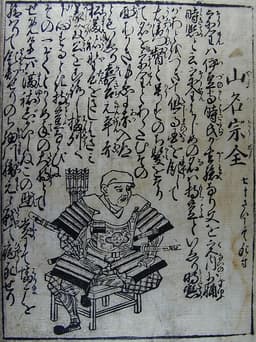
Yamana Sozen
General · Medieval
52.6Total
Basic Information
Born
1358
1404
Died
1408
1473
Era
Medieval
Medieval
Nationality
Japan
Japan
Occupation
General
General
Civilization
Eastern
Eastern
Score Comparison
Military (10%)
25.0
72.5
Political (20%)
68.0
37.9
Influence (20%)
57.2
51.0
Legacy (20%)
49.2
46.7
Leadership (15%)
72.0
57.6
Strategy (15%)
60.0
66.3
TOTAL
56.1
52.6
Ashikaga Yoshimitsu — Complete Timeline
1392 AD
Unification of the Northern and Southern CourtsPolitical Action
Ashikaga Yoshimitsu negotiated the end of the Nanboku-cho period by persuading the Southern Court's Emperor Go-Kameyama to abdicate in favor of the Northern Court's Emperor Go-Komatsu. This reunified the imperial line under a single throne, ending decades of civil war and stabilizing Japan.
UnificationNanboku-cho PeriodImperial Court
Impact: nationalconstructive
1394 AD
Retirement and Assumption of Power as Cloistered ShogunPolitical Action◆ Major
Ashikaga Yoshimitsu formally retired as shogun but continued to wield effective power from his retirement villa, a practice known as cloistered rule. He controlled the shogunate's affairs and the imperial court, demonstrating a concentration of power unprecedented for a retired shogun.
GovernancePower ConsolidationMuromachi Period
Impact: national
1397 AD
Construction of Kinkaku-ji (Golden Pavilion)Cultural◆ Major
Ashikaga Yoshimitsu built the Kinkaku-ji, a Zen Buddhist temple in Kyoto covered in gold leaf, as his retirement villa. This structure became a symbol of the Kitayama culture and the Muromachi period's artistic flourishing. It remains a UNESCO World Heritage Site and a major cultural icon.
ArchitectureZen BuddhismCultural Heritage
Impact: globalconstructive
1401 AD
Establishment of Trade with Ming ChinaPolitical Action◆ Major
Ashikaga Yoshimitsu sent an embassy to the Ming court of Emperor Jianwen, formally establishing tributary trade relations. This opened lucrative trade routes for Japanese goods, especially swords and copper, in exchange for Chinese silk and coins. It also enhanced Yoshimitsu's prestige.
TradeDiplomacyMing Dynasty
Impact: regionalconstructive
Yamana Sozen — Complete Timeline
1440 AD
Became a Buddhist MonkCultural
Yamana Sozen became a Buddhist monk and took the name Sozen, though he remained politically and militarily active. His nickname 'Red Monk' (Aka Nyudo) came from his red monk's robes and his warlike nature.
BuddhismMonkNickname
1450 AD
Expanded Yamana Clan TerritoryWar◆ Major
Sozen led military campaigns that expanded Yamana control to 11 provinces, making him one of the most powerful daimyo in Japan. His aggressive expansion alarmed other clans, particularly the Hosokawa.
Territorial ExpansionDaimyoYamana Clan
Impact: regionaldestructive
1464 AD
Feud with Hosokawa KatsumotoPolitical Action◆ Major
Sozen's rivalry with Hosokawa Katsumoto intensified over control of the shogunate. The two kanrei clashed over succession and policy, with Sozen supporting Shogun Yoshimasa's son while Katsumoto backed his brother.
RivalryHosokawa KatsumotoPower Struggle
Impact: nationaldestructive
1467 AD
Led the Western Army in the Onin WarWar
Sozen commanded the Western Army (Seigun) in the Onin War, opposing Katsumoto's Eastern Army. His forces fought fierce battles in Kyoto, burning temples and palaces, and the war spread chaos across Japan.
Onin WarWestern ArmyKyoto
Impact: nationaldestructive
1473 AD
Death During the Onin WarOther◆ Major
Sozen died of illness in 1473, the same year as his rival Katsumoto. His death did not end the Onin War, which continued until 1477, but it removed one of the key instigators of the conflict.
DeathOnin WarYamana Clan
Impact: nationaltragic
Expert Analysis
Origins
Ashikaga Yoshimitsu was born in 1358 to Ashikaga Yoshiakira, the second shogun of the Ashikaga shogunate. His grandfather, Ashikaga Takauji, had founded the shogunate after the fall of the Kamakura regime. Yoshimitsu grew up in a period of civil war between the Northern and Southern Courts, a split that had divided Japan since 1336. He became shogun at age 10 in 1368, with regents initially governing for him.
Yamana Sozen was born in 1404 into the Yamana clan, a powerful samurai family from the provinces of Tajima and Harima. He became a Buddhist monk early in life, taking the name Sozen, but remained deeply involved in military and political affairs. His nickname "Red Monk" (Aka Nyudo) reflected his combination of religious title and warlike nature. He inherited leadership of the Yamana clan and expanded their territory through aggressive campaigns.
Rise to Power
Yoshimitsu consolidated power by outmaneuvering the powerful shugo (military governors) and reducing their influence. He appointed loyalists to key positions and centralized authority in the shogunate. His most significant achievement was the unification of the Northern and Southern Courts in 1392. He negotiated with Emperor Go-Kameyama of the Southern Court to abdicate in favor of the Northern Court's Emperor Go-Komatsu, ending the Nanboku-cho period. This brought legitimacy to the Ashikaga shogunate and peace to Japan.
Yamana Sozen rose through military expansion. By the 1450s, he controlled 11 provinces, making him one of the most powerful daimyo in Japan. His rivalry with Hosokawa Katsumoto, the kanrei (shogunal deputy), intensified over control of the shogunate. Sozen supported a different shogun candidate, leading to open conflict. In 1467, the Onin War erupted when Sozen led the Western Army against Katsumoto's Eastern Army, fighting for control of Kyoto and the shogunate.
Leadership & Governance
Yoshimitsu's leadership style was diplomatic and centralized. He maintained peace through negotiation and strategic marriages. He established formal tributary trade relations with Ming China in 1401, sending an embassy to Emperor Jianwen. This opened lucrative trade routes and brought Chinese goods and culture to Japan. Yoshimitsu also patronized Zen Buddhism and the arts, building the Kinkaku-ji (Golden Pavilion) as a retirement villa, symbolizing his blend of political power and cultural refinement. His governance scored 68.0 in political acumen, reflecting his ability to unify and stabilize.
Yamana Sozen's leadership was militaristic and confrontational. He expanded his territory through conquest and was a key figure in the daimyo power struggles that defined the Sengoku period. As a general, he scored 72.5 in military prowess, but his political score of 37.9 indicates his inability to achieve lasting peace or stable governance. His feud with Katsumoto led to the Onin War, which devastated Kyoto and marked the beginning of the Sengoku period's chaos.
Triumph & Tragedy
Yoshimitsu's greatest triumph was ending the Nanboku-cho period, unifying Japan under a single imperial line. This peace lasted for decades. He also built Kinkaku-ji, a cultural icon. His tragedy was that his centralized rule did not outlast him; after his death in 1408, the shogunate weakened, and the daimyo gained power. His retirement as cloistered shogun set a precedent for informal rule that later contributed to instability.
Yamana Sozen's triumph was expanding the Yamana clan to 11 provinces, making him a major power. However, his tragedy was that the Onin War he started did not achieve his goals. The war dragged on for a decade, and Sozen died of illness in 1473, the same year as his rival Katsumoto. His death did not end the war, and the Yamana clan's influence declined afterward.
Character & Destiny
Yoshimitsu was pragmatic and diplomatic, using negotiation and cultural patronage to secure power. His decision to retire early but rule from behind the scenes showed strategic foresight. He scored 72.0 in leadership, indicating his effectiveness in managing the shogunate. His character shaped a peaceful but fragile legacy.
Yamana Sozen was aggressive and uncompromising, earning his nickname "Red Monk" for his warlike nature. His feud with Katsumoto drove him to war, leading to widespread destruction. He scored 66.3 in strategy but 57.6 in leadership, reflecting his tactical skill but inability to control the broader consequences of his actions. His character led to short-term gains but long-term chaos.
Legacy
Yoshimitsu's legacy is the unification of the courts and the cultural flourishing of the Kitayama period. Kinkaku-ji remains a UNESCO World Heritage site and a symbol of medieval Japan. His trade with China influenced Japanese art and economy. However, his political system collapsed after his death, and the Ashikaga shogunate declined into the Onin War. His legacy score of 49.2 reflects this mixed impact.
Yamana Sozen's legacy is tied to the Onin War, which shattered the old order and ushered in the Sengoku period. His actions led to the rise of regional warlords and the eventual reunification under Oda Nobunaga. He scored 46.7 in legacy, indicating his role as a catalyst for change rather than a builder. The war destroyed Kyoto and weakened central authority, setting the stage for a century of conflict.
Conclusion
Ashikaga Yoshimitsu had greater impact than Yamana Sozen. Yoshimitsu's unification of the courts and establishment of trade with China created a period of peace and cultural achievement that defined an era. His total score of 56.1 outranks Sozen's 52.6, reflecting his superior political and leadership abilities. While Sozen's military actions triggered the Onin War, that war was a symptom of underlying weaknesses that Yoshimitsu had temporarily suppressed. Yoshimitsu's positive contributions to Japanese statecraft and culture outweigh Sozen's role as a destructive force. The shogun's diplomatic and cultural legacy endures, whereas Sozen's legacy is one of ruin. Therefore, Ashikaga Yoshimitsu stands as the more significant figure in Japanese history.
Rankings
🥇
Ashikaga YoshimitsuLeader
Mil: 25.0Pol: 68.0Inf: 57.2
56.1
🥈
Yamana Sozen
Mil: 72.5Pol: 37.9Inf: 51.0
52.6
+3.5 behind
How This Comparison Works
Algorithm
Each figure is scored on 6 dimensions (0—100 scale) based on structured historical data: Military (10%), Political (20%), Influence (20%), Legacy (20%), Leadership (15%), Strategy (15%). The weighted total produces the final ranking.
Data Sources
Scores are computed from structured sub-indicators in the database. Scale factors adjust for era (Ancient ×0.85, Modern ×1.0) and civilization size (Eastern ×1.05, Other ×0.80) to account for differences in population and military scale.
Maximum 3 Figures
Comparisons are limited to 2—3 figures to ensure readability and statistical meaningfulness.
Error Margins
±5 points per dimension — Sub-scores are derived from historical records with inherent uncertainty. Two figures within 5 points on a dimension should be considered roughly equivalent in that area.
Total Score Accuracy
±3 points overall — The weighted combination of 6 dimensions produces a total score with approximately ±3 points of uncertainty. Differences of less than 3 points are not statistically significant— the figures are effectively tied.
Known Limitations
- Historical records are incomplete and uneven across civilizations
- Figures from oral-tradition societies may be underrepresented
- Occupation labels can misclassify multi-role figures
- Scores measure capability and impact, not moral character
- Quantitative scoring is a comparison tool, not absolute truth
Capability Radar
Military (10%) — Battles & Warfare
Battles
25
55
Win Rate
30
50
Expansion
30
45
Political (20%) — Governance & Reform
Reform
60
35
Diplomacy
70
50
Economy
65
30
Influence (20%) — Cultural & Global Reach
Cultural
70
40
Global
45
35
Legacy (20%) — Historical Impact
Historical
65
60
Longevity
60
50
Leadership (15%) — Power & Stability
Tenure
65
60
Stability
55
20
Strategy (15%) — Tactics & Innovation
Strategy
40
55
Tactics
35
60
Reform
20
30
Similar Comparisons
Comments & Discussion
No comments yet. Be the first to share your thoughts!