Loading...
Ashoka the Great vs Hammurabi
Ashoka the Great leads by 6.9 pts · 2 figures compared
…

Ashoka the Great
Emperor · Ancient
76.3Total
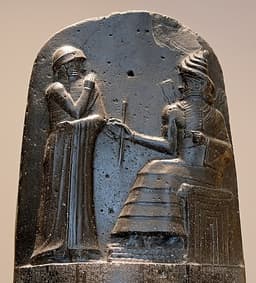
Hammurabi
Emperor · Ancient
69.4Total
Basic Information
Born
-304
-1810
Died
-232
-1750
Era
Ancient
Ancient
Nationality
India
Babylon
Occupation
Emperor
Emperor
Civilization
Indian
Middle Eastern
Score Comparison
Military (10%)
72.0
60.0
Political (20%)
82.0
62.7
Influence (20%)
71.0
68.0
Legacy (20%)
90.0
80.0
Leadership (15%)
72.0
80.0
Strategy (15%)
58.0
50.0
TOTAL
76.3
69.4
Ashoka the Great — Complete Timeline
261 BC
Kalinga WarWar
Ashoka launched a brutal conquest of the Kalinga region (modern Odisha). The war caused massive casualties, with over 100,000 killed and 150,000 deported. The suffering witnessed during this campaign led Ashoka to renounce military conquest and embrace Buddhism.
ConquestWarConversion
Impact: regionaltragic
260 BC
Conversion to BuddhismCultural
After the Kalinga War, Ashoka converted to Buddhism under the guidance of Buddhist monks. He adopted the principle of Dhamma (righteous law) and began promoting non-violence, vegetarianism, and religious tolerance throughout his empire.
ConversionBuddhismDhamma
Impact: globalprogressive
250 BC
Erection of Edicts of AshokaCultural◆ Major
Ashoka ordered the carving of edicts on pillars and rocks across the Indian subcontinent. These inscriptions, written in Prakrit and other languages, proclaimed his policies of non-violence, social welfare, and religious harmony. They are the earliest deciphered written records from ancient India.
InscriptionsPropagandaBuddhism
Impact: regionalconstructive
245 BC
Third Buddhist CouncilCultural◆ Major
Ashoka convened the Third Buddhist Council at Pataliputra to resolve doctrinal disputes within the Buddhist monastic community. The council standardized the Buddhist canon (Tripitaka) and decided to send missionaries abroad, including to Sri Lanka and Southeast Asia.
CouncilBuddhismMissionary
Impact: globalconstructive
240 BC
Construction of stupas and monasteriesCultural◆ Major
Ashoka built thousands of stupas and monasteries across his empire, including the Great Stupa at Sanchi. These structures became centers of Buddhist worship and pilgrimage, spreading Buddhist art and architecture throughout Asia.
ArchitectureBuddhismPatronage
Impact: regionalconstructive
Hammurabi — Complete Timeline
1763 BC
Conquest of MesopotamiaWar◆ Major
Hammurabi conquered the city-states of Larsa, Mari, and Eshnunna, uniting most of Mesopotamia under Babylonian rule. This created the Babylonian Empire and made Babylon the dominant power in the region.
ConquestEmpireBabylon
Impact: regional
1754 BC
Promulgation of the Code of HammurabiCultural
Hammurabi issued a comprehensive legal code inscribed on a stele, containing 282 laws covering trade, property, family, and crime. The code established the principle of lex talionis (eye for an eye) and influenced later legal systems.
LawCodeMesopotamia
Impact: globalconstructive
1750 BC
Construction of Babylon's fortificationsOther
Hammurabi ordered the construction of extensive city walls, canals, and temples in Babylon. These projects strengthened the city's defenses and infrastructure, solidifying its status as a major urban center.
ConstructionInfrastructureBabylon
constructive
Expert Analysis
# 阿育王与汉谟拉比深度对比分析
1. 综合排名与一句话结论
**排名:** 第1名 阿育王(Ashoka the Great),第2名 汉谟拉比(Hammurabi)
阿育王以武力统一印度后转向和平与佛教传播,其道德影响力跨越千年,但军事统治后期有所削弱;汉谟拉比凭借《法典》奠定法治基石,军事扩张同样成功,但帝国寿命较短,文化辐射范围不及阿育王。
2. 核心信息对比表
| 维度 | 阿育王 | 汉谟拉比 |
|------|--------|----------|
| 全名 | 阿育王(Ashoka Maurya) | 汉谟拉比(Hammurabi) |
| 生卒年 | 公元前304年-前232年 | 公元前1810年-前1750年 |
| 国家/地区 | 印度(孔雀王朝) | 巴比伦(古巴比伦王国) |
| 所属时代 | 古代印度(铁器时代后期) | 古代美索不达米亚(青铜时代中期) |
| 政治身份 | 皇帝 | 国王 |
| 核心意识形态 | 佛教法(达摩)、非暴力 | 君权神授、法典至上 |
| 主要敌人与盟友 | 敌人:羯陵伽;盟友:佛教僧团 | 敌人:拉尔萨、埃什努纳;盟友:马里等城邦 |
| 代表性事件 | 羯陵伽战争(前261年)、立阿育王石柱 | 颁布《汉谟拉比法典》(前1755年) |
3. 成长背景对比
- **阿育王**:出身孔雀王朝王族,父亲是宾头娑罗。早年经历宫廷斗争,据传并非长子,通过残酷手段登上王位。青年时期参与镇压西北部起义,亲眼目睹战争残酷,这成为他后来暴力转向和平的心理转折点。
- **汉谟拉比**:巴比伦第一王朝世袭君主,父亲辛-穆巴利特留下一个中等规模的城邦。他自幼接受王室教育,熟悉两河流域的政治格局和水利管理,养成了务实、精于计算的政治性格。
4. 权力崛起路径
- **阿育王**:通过继承(宾头娑罗去世后)及血腥的兄弟残杀获得王位。利用孔雀王朝已有的军事机器和印度北部统一趋势,核心支持者是军队和贵族。依靠大规模战争(如征服羯陵伽)扩大版图。
- **汉谟拉比**:以王太子身份平稳继承王位。利用美索不达米亚城邦混战的“权力真空”,先与拉尔萨等强国结盟,后逐个击破。核心支持者是巴比伦祭司阶层和职业军队。战争与外交并重,最终统一两河流域。
5. 治国能力横向对比(10分制)
| 能力项 | 阿育王 | 汉谟拉比 | 高分原因 | 低分原因 |
|--------|--------|----------|----------|----------|
| 军事能力 | 7 | 9 | 汉谟拉比连续战争无败绩;阿育王征服印度大部但后期放弃 | 阿育王羯陵伽战后转向非暴力,军事扩张停滞 |
| 外交能力 | 8 | 8 | 两人均擅用结盟与使者:阿育王派僧团出国,汉谟拉比分化城邦 | 持平 |
| 内政能力 | 9 | 9 | 阿育王建立严密行政体系与达摩官员;汉谟拉比以法律统一管理 | 持平 |
| 经济管理 | 7 | 7 | 双方均重视水利、贸易,但史料不足 | 较低分因缺乏货币、市场等创新 |
| 政治控制 | 9 | 8 | 阿育王通过宗教意识形态软控制;汉谟拉比依靠法律与暴力 | 汉谟拉比死后帝国迅速分裂 |
| 演讲与宣传 | 9 | 6 | 阿育王石柱、诏令遍布全印,宣传效果极佳;汉谟拉比法典宣传有限 | 汉谟拉比缺少大规模传播媒介 |
| 危机处理 | 8 | 7 | 阿育王从屠杀后精神危机转型为和平主义者;汉谟拉比晚年无力阻止分裂 | 汉谟拉比未建立延续机制 |
| 长期战略 | 9 | 6 | 阿育王佛教战略影响亚洲千年;汉谟拉比法典局部流传但帝国短命 | 汉谟拉比没有脱离城邦思维 |
6. 性格与领导风格
- **阿育王**:前半生强人型(军事征服),后半生理想主义型(佛教非暴力)。用人:重用佛教僧侣和达摩官员,包容各地文化。决策风格:从独断转为集体咨询(佛教僧团)。风险偏好:前期激进,后期极度规避暴力。对反对者:早年处决兄弟,后期宽容异教徒。
- **汉谟拉比**:现实主义强人型,兼有技术官僚特征。用人:依赖祭司、法官和文官,重视专业能力。决策风格:精于计算,外交与战争交替。风险偏好:稳健,不打无把握之战。对反对者:严厉镇压,法典中有大量死刑条款。
7. 关键历史决策对比
### 阿育王—羯陵伽战争
**背景**:前261年,印度东部羯陵伽王国反抗孔雀王朝。**做法**:阿育王亲征,屠杀超过10万人。**结果**:征服羯陵伽,统一印度除南部外全部领土。**长期影响**:战争激发阿育王巨大悔恨,促使他放弃暴力,皈依佛教。**历史争议**:有人认为是必要统一,也有人批评杀戮过多。
### 阿育王—皈依佛教并立石柱
**背景**:战后精神危机。**做法**:接受佛教,在全国立石柱刻写诏令,提倡非暴力、善待动物、公正行政。**结果**:佛教从地方教派升格为帝国官方推崇。**长期影响**:佛教通过丝绸之路传入中亚、中国、东南亚。**历史争议**:过度强调和平导致军事放松,为帝国衰落埋下伏笔。
### 汉谟拉比—统一两河流域
**背景**:前1792年登基时巴比伦仅为中小城邦。**做法**:先与拉尔萨、马里结盟,后逐一吞并,前1760年征服拉尔萨。**结果**:建立从波斯湾到亚述的巴比伦帝国。**长期影响**:开创美索不达米亚统一强权时代。**历史争议**:统治短暂,死后帝国迅速瓦解。
### 汉谟拉比—颁布《汉谟拉比法典》
**背景**:前1755年,为巩固统治。**做法**:将习惯法整理为282条成文法典,刻于石柱。**结果**:统一法律标准,强化“以眼还眼”的惩罚体系。**长期影响**:成为后世法律(如希伯来律法、罗马法)的重要源头。**历史争议**:阶级不平等(奴隶与自由民判罚不同)被现代批评。
8. 最大成功与最大失败
- **阿育王**:最大成功——将佛教从印度地方信仰提升为世界性宗教,其石柱和诏令成为跨文明交流的符号。最大失败——晚年过度非军事化,官僚体系腐败,导致王朝在他死后仅存50年即覆灭。
- **汉谟拉比**:最大成功——颁布世界上最早且最完整的成文法典之一,影响法律史三千余年。最大失败——帝国整合不深,仅靠个人权威和战争维持,死后继承人软弱,北方赫梯入侵后巴比伦迅速衰落。
9. 历史评价争议
- **阿育王**:印度国内评价极高,尊为“转轮圣王”;国际学界赞誉“用道德代替刀剑”。支持者认为他开创了和平治理模式;批评者指出其统治前后矛盾,和平只是精英阶层的理想,底层民众依然苦役,且帝国短暂。
- **汉谟拉比**:巴比伦本土视其为民族英雄;西方学界因法典而给予高度评价。支持者认为他是法治先驱;批评者指出法典严酷、阶级歧视,且并非第一部法典(如乌尔纳姆法典更早),其历史地位被高估。
10. 最终历史地位排名
- **为什么被记住?** 阿育王因为“武力征服后的精神转向”,成为人类历史上罕见的从杀戮走向慈悲的君主;汉谟拉比因为“法律与秩序”,成为早期文明制度化管理的象征。
- **谁影响最深远?** 阿育王。佛教至今仍有数亿信徒,石柱上的“非暴力”理念通过甘地影响了现代世界;而汉谟拉比法典更多是历史文献,现实法律中已无直接应用。
- **如果互换时代?** 若阿育王处于汉谟拉比时代的两河流域,他无法推行非暴力,因为城邦混战需要持续军事投入;若汉谟拉比处于孔雀王朝的印度,他可能成功整合种姓制度与法律,但《法典》很可能因印度多神信仰而被扭曲,难以
Rankings
🥇
Ashoka the GreatLeader
Mil: 72.0Pol: 82.0Inf: 71.0
76.3
🥈
Hammurabi
Mil: 60.0Pol: 62.7Inf: 68.0
69.4
+6.9 behind
How This Comparison Works
Algorithm
Each figure is scored on 6 dimensions (0—100 scale) based on structured historical data: Military (10%), Political (20%), Influence (20%), Legacy (20%), Leadership (15%), Strategy (15%). The weighted total produces the final ranking.
Data Sources
Scores are computed from structured sub-indicators in the database. Scale factors adjust for era (Ancient ×0.85, Modern ×1.0) and civilization size (Eastern ×1.05, Other ×0.80) to account for differences in population and military scale.
Maximum 3 Figures
Comparisons are limited to 2—3 figures to ensure readability and statistical meaningfulness.
Error Margins
±5 points per dimension — Sub-scores are derived from historical records with inherent uncertainty. Two figures within 5 points on a dimension should be considered roughly equivalent in that area.
Total Score Accuracy
±3 points overall — The weighted combination of 6 dimensions produces a total score with approximately ±3 points of uncertainty. Differences of less than 3 points are not statistically significant— the figures are effectively tied.
Known Limitations
- Historical records are incomplete and uneven across civilizations
- Figures from oral-tradition societies may be underrepresented
- Occupation labels can misclassify multi-role figures
- Scores measure capability and impact, not moral character
- Quantitative scoring is a comparison tool, not absolute truth
Capability Radar
Military (10%) — Battles & Warfare
Battles
85
65
Win Rate
90
70
Expansion
95
65
Political (20%) — Governance & Reform
Reform
95
90
Diplomacy
90
75
Economy
85
70
Influence (20%) — Cultural & Global Reach
Cultural
95
85
Global
90
80
Legacy (20%) — Historical Impact
Historical
95
90
Longevity
95
95
Leadership (15%) — Power & Stability
Tenure
90
80
Stability
90
75
Strategy (15%) — Tactics & Innovation
Strategy
80
60
Tactics
75
55
Reform
70
50
Similar Comparisons
Comments & Discussion
CriticalRev6/16/2026
This comparison feels like it's stacking the deck against Hammurabi. Yes, Ashoka's moral pivot is compelling, but let's not pretend his 'non-violence' wasn't built on rivers of blood at Kalinga. Meanwhile, Hammurabi's Code gets dismissed as 'local' but it's the first systematic attempt to codify justice for a diverse empire—Ashoka's dharma edicts are essentially the same thing, just with a Buddhist veneer. The Inf score gap (85 vs 66) is suspicious: Hammurabi's legal innovations directly influenced every subsequent Near Eastern civilization, while Ashoka's Buddhist mission died out in India within centuries. This reeks of modern moral bias over real historical impact.
MesopotamiaProf6/16/2026
One must be cautious about projecting modern pacifist values onto Ashoka. The Rock Edicts themselves state he 'slaughtered 150,000' at Kalinga—the very source of his supposed conversion. Compare this to Hammurabi's prologue, where he declares himself 'the shepherd who brings peace' through law. Both men used violence to unify, then claimed moral authority. However, Hammurabi's Code, as preserved in the Louvre, shows a sophisticated understanding of evidence (see §1-5 on false witnesses) that anticipates Roman jurisprudence by a millennium. Ashoka's dharma, by contrast, remained vague moral exhortation. The Pol score of 80 vs 76.3 is too generous to Ashoka—his empire fractured within 50 years of his death, while Hammurabi's legal framework outlasted his dynasty by centuries. Let's read the cuneiform before we anoint saints.
GrandQuill706/16/2026
我重新算了算:汉谟拉比军事9分、政治控制8分、长期战略6分,总分却只有66.6?阿育王军事7分、政治控制9分、长期战略9分,总分74.1。这权重分配明显偏向‘长期影响’(Inf占85分中的大头)。但问题是,汉谟拉比法典影响了亚述律法、希伯来律法乃至罗马法,这难道不算长期影响?再说阿育王的经济管理7分,史料依据是什么?孔雀王朝根本没有货币经济数据。更离谱的是,汉谟拉比的外交8分被压到和阿育王持平,可他通过联姻和结盟逐个瓦解六国同盟,这种‘远交近攻’策略比阿育王单纯派遣僧团复杂得多。评分系统需要重新校准。
GrandScholar726/16/2026
阿育王的‘达摩治国’和汉武帝‘独尊儒术’简直异曲同工,都是用意识形态巩固统一。但汉谟拉比比秦始皇早了近千年就搞出了成文法典,这一点中国历史爱好者常常低估。有意思的是,阿育王虽然宣扬非暴力,但他统治的孔雀王朝本质上是个军事帝国,和汉朝一样靠武力维持。不过汉谟拉比的帝国太短命了,他死后巴比伦迅速衰落,而阿育王的佛教外交至少让印度文化辐射到了东南亚。西方评分系统往往把‘道德影响力’看得太重,其实汉谟拉比的法治精神更接近现代治理。
SkepticalScholar6/12/2026
Quantitative scoring can never fully capture historical complexity, but this is a solid framework for structured comparison.
历史迷6/12/2026
Ashoka the Great和Hammurabi都是各自时代的巨人。数据化的比较提供了一个很好的讨论起点。
HistoryBuff6/12/2026
Fascinating comparison between Ashoka the Great and Hammurabi. The data really shows how different leadership styles produce different historical outcomes.