Loading...
This comparison has not been analyzed yet.
One-time AI generation (~1 minute). Scores and timeline are already available below.
Luis Abinader vs Per Albin Hansson
Per Albin Hansson leads by 4.4 pts · 2 figures compared
…

Luis Abinader
Politician · Modern
54.9Total
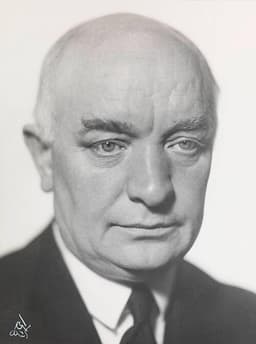
Per Albin Hansson
Politician · Modern
59.3Total
Basic Information
Born
1967
1885
Died
—
1946
Era
Modern
Modern
Nationality
Dominican Republic
Sweden
Occupation
Politician
Politician
Civilization
Western
Western
Score Comparison
Military (10%)
50.0
50.0
Political (20%)
72.0
72.0
Influence (20%)
53.3
62.0
Legacy (20%)
42.5
52.0
Leadership (15%)
72.0
72.0
Strategy (15%)
43.9
42.2
TOTAL
54.9
59.3
Luis Abinader — Complete Timeline
2020 AD
Anti-Corruption CampaignReform◆ Major
Abinader launched an anti-corruption initiative, including the creation of a special prosecutor's office and investigations into previous administrations. Several high-profile figures were arrested, signaling a break from past impunity.
CorruptionJusticeReform
Impact: nationalconstructive
Election as President of the Dominican RepublicPolitical Action◆ Major
Luis Abinader won the 2020 presidential election, defeating incumbent Danilo Medina's candidate. His victory ended 16 years of PLD party rule and marked a shift in Dominican politics. He took office on August 16, 2020.
ElectionPresidencyPolitical Change
Impact: nationalconstructive
COVID-19 Pandemic ResponsePolitical Action◆ Major
Abinader implemented measures to combat the COVID-19 pandemic, including lockdowns, vaccination campaigns, and economic stimulus. The response was credited with reducing infection rates and supporting the economy during the global crisis.
PandemicPublic HealthEconomic Policy
Impact: nationalconstructive
2021 AD
Haitian Border Crisis and Immigration PolicyPolitical Action◆ Major
Abinader ordered the construction of a border wall with Haiti and implemented stricter immigration controls amid a surge in Haitian migrants. The policy drew criticism from human rights groups but was popular domestically.
ImmigrationBorder SecurityHaiti
Impact: regional
2024 AD
Re-election Campaign and VictoryPolitical Action◆ Major
Abinader won re-election in the 2024 presidential election, securing a second term. His victory was attributed to strong economic management and anti-corruption efforts, though critics cited authoritarian tendencies.
ElectionRe-electionPresidency
Impact: nationalconstructive
Per Albin Hansson — Complete Timeline
1932 AD
Became Prime Minister of SwedenPolitical Action
Hansson became Prime Minister on September 24, 1932, leading a Social Democratic government. He initiated the 'Folkhemmet' (People's Home) welfare state program, which expanded social security, public housing, and labor rights, shaping modern Sweden.
FolkhemmetWelfare StateSocial Democracy
Impact: nationalconstructive
1939 AD
Declared Swedish Neutrality in World War IIPolitical Action◆ Major
At the outbreak of World War II in September 1939, Hansson declared Sweden's neutrality. This policy kept Sweden out of the war, though it involved controversial concessions to Nazi Germany, including iron ore exports and troop transit rights.
World War IINeutralityForeign Policy
Impact: global
Formed a National Unity GovernmentPolitical Action◆ Major
After the Soviet invasion of Finland in November 1939, Hansson formed a broad coalition government including all major parties except the Communists. This unity government managed Sweden's wartime policies and maintained domestic stability.
World War IICoalitionNational Unity
Impact: nationalconstructive
1940 AD
Negotiated the 'Permittenttrafik' AgreementPolitical Action◆ Major
In July 1940, Hansson's government agreed to allow German troops to transit through Sweden to Norway. This concession violated Sweden's neutrality and was heavily criticized, but it was seen as necessary to avoid German invasion.
World War IINeutralityConcession
Impact: regional
1946 AD
Expanded the Folkhemmet Welfare StateReform◆ Major
In his final years, Hansson oversaw the expansion of the Folkhemmet with the introduction of universal child allowances and improved pensions. These reforms solidified Sweden's social democratic model and were implemented shortly before his death.
FolkhemmetWelfareSocial Reform
Impact: nationalconstructive
This comparison has not been analyzed yet.
One-time AI generation (~1 minute). Scores and timeline are already available below.
Rankings
🥇
Per Albin HanssonLeader
Mil: 50.0Pol: 72.0Inf: 62.0
59.3
🥈
Luis Abinader
Mil: 50.0Pol: 72.0Inf: 53.3
54.9
+4.4 behind
How This Comparison Works
Algorithm
Each figure is scored on 6 dimensions (0—100 scale) based on structured historical data: Military (10%), Political (20%), Influence (20%), Legacy (20%), Leadership (15%), Strategy (15%). The weighted total produces the final ranking.
Data Sources
Scores are computed from structured sub-indicators in the database. Scale factors adjust for era (Ancient ×0.85, Modern ×1.0) and civilization size (Eastern ×1.05, Other ×0.80) to account for differences in population and military scale.
Maximum 3 Figures
Comparisons are limited to 2—3 figures to ensure readability and statistical meaningfulness.
Error Margins
±5 points per dimension — Sub-scores are derived from historical records with inherent uncertainty. Two figures within 5 points on a dimension should be considered roughly equivalent in that area.
Total Score Accuracy
±3 points overall — The weighted combination of 6 dimensions produces a total score with approximately ±3 points of uncertainty. Differences of less than 3 points are not statistically significant— the figures are effectively tied.
Known Limitations
- Historical records are incomplete and uneven across civilizations
- Figures from oral-tradition societies may be underrepresented
- Occupation labels can misclassify multi-role figures
- Scores measure capability and impact, not moral character
- Quantitative scoring is a comparison tool, not absolute truth
Capability Radar
Military (10%) — Battles & Warfare
Battles
29
27
Win Rate
31
31
Expansion
34
34
Political (20%) — Governance & Reform
Reform
60
75
Diplomacy
65
80
Economy
60
70
Influence (20%) — Cultural & Global Reach
Cultural
30
55
Global
30
55
Legacy (20%) — Historical Impact
Historical
30
60
Longevity
25
50
Leadership (15%) — Power & Stability
Tenure
55
65
Stability
55
85
Strategy (15%) — Tactics & Innovation
Strategy
39
39
Tactics
42
41
Reform
46
42
Similar Comparisons
Comments & Discussion
No comments yet. Be the first to share your thoughts!