Loading...
Analysis will be generated on first visit.
Scores and timeline are available below. The page will refresh automatically when ready.
Matsudaira Katamori vs Napoleon Bonaparte
Napoleon Bonaparte leads by 15.0 pts · 2 figures compared
…
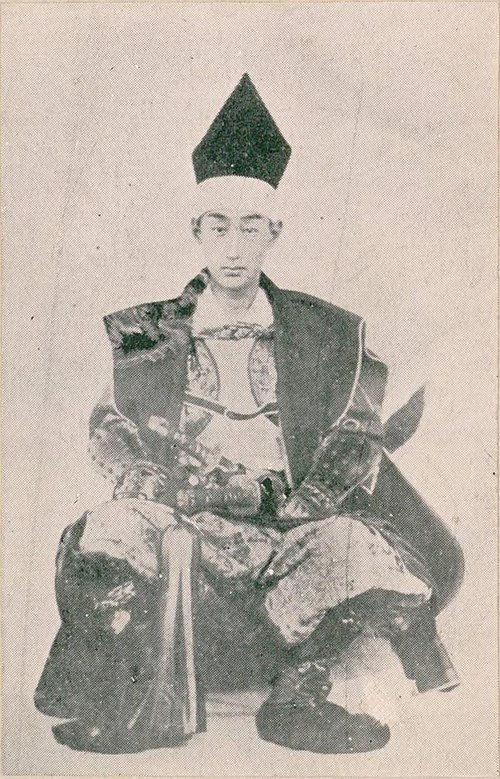
Matsudaira Katamori
General · Modern
67.4Total
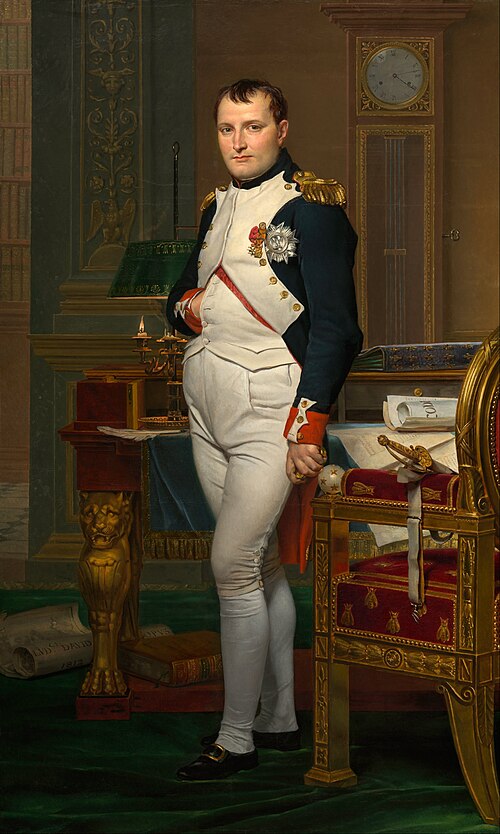
Napoleon Bonaparte
General · Modern
82.4Total
Basic Information
Born
1836
1769
Died
1893
1821
Era
Modern
Modern
Nationality
Japan
France
Occupation
General
General
Civilization
Eastern
Western
Score Comparison
Military (10%)
42.1
94.0
Political (20%)
72.0
75.0
Influence (20%)
73.9
82.0
Legacy (20%)
69.2
78.0
Leadership (15%)
76.2
80.0
Strategy (15%)
58.2
93.0
TOTAL
67.4
82.4
Rankings
🥇
Napoleon BonaparteLeader
Mil: 94.0Pol: 75.0Inf: 82.0
82.4
🥈
Matsudaira Katamori
Mil: 42.1Pol: 72.0Inf: 73.9
67.4
+15.0 behind
How This Comparison Works
Algorithm
Each figure is scored on 6 dimensions (0—100 scale) based on structured historical data: Military (10%), Political (20%), Influence (20%), Legacy (20%), Leadership (15%), Strategy (15%). The weighted total produces the final ranking.
Data Sources
Scores are computed from structured sub-indicators in the database. Scale factors adjust for era (Ancient ×0.85, Modern ×1.0) and civilization size (Eastern ×1.05, Other ×0.80) to account for differences in population and military scale.
Maximum 3 Figures
Comparisons are limited to 2—3 figures to ensure readability and statistical meaningfulness.
Error Margins
±5 points per dimension — Sub-scores are derived from historical records with inherent uncertainty. Two figures within 5 points on a dimension should be considered roughly equivalent in that area.
Total Score Accuracy
±3 points overall — The weighted combination of 6 dimensions produces a total score with approximately ±3 points of uncertainty. Differences of less than 3 points are not statistically significant— the figures are effectively tied.
Known Limitations
- Historical records are incomplete and uneven across civilizations
- Figures from oral-tradition societies may be underrepresented
- Occupation labels can misclassify multi-role figures
- Scores measure capability and impact, not moral character
- Quantitative scoring is a comparison tool, not absolute truth
Capability Radar
Military (10%) — Battles & Warfare
Battles
45
95
Win Rate
30
90
Expansion
10
95
Political (20%) — Governance & Reform
Reform
40
95
Diplomacy
45
80
Economy
35
85
Influence (20%) — Cultural & Global Reach
Cultural
40
85
Global
20
90
Legacy (20%) — Historical Impact
Historical
50
95
Longevity
35
90
Leadership (15%) — Power & Stability
Tenure
55
85
Stability
25
70
Strategy (15%) — Tactics & Innovation
Strategy
35
95
Tactics
40
98
Reform
50
92
Analysis will be generated on first visit.
Scores and timeline are available below. The page will refresh automatically when ready.
Matsudaira Katamori — Complete Timeline
1862 AD
Appointed as Kyoto ShugoshokuPolitical Action◆ Major
Matsudaira Katamori was appointed Kyoto Shugoshoku (military commissioner of Kyoto) by the Tokugawa shogunate. He was tasked with maintaining order in Kyoto, which was a hotbed of anti-shogunate activity. This position made him a key figure in the Bakumatsu period.
BakumatsuKyotoShogunate
Impact: national
1863 AD
Formation of the ShinsengumiPolitical Action◆ Major
Katamori authorized the formation of the Shinsengumi, a special police force composed of ronin, to suppress anti-shogunate elements in Kyoto. The Shinsengumi became infamous for their ruthless tactics and loyalty to the shogunate, with Kondo Isami and Hijikata Toshizo as leaders.
ShinsengumiKyotoPolice
Impact: national
1868 AD
Battle of Toba-FushimiWar◆ Major
Katamori led Aizu forces in the Battle of Toba-Fushimi, the opening battle of the Boshin War. The shogunate forces were defeated by the Imperial army, leading to the collapse of Tokugawa resistance. Katamori retreated to Aizu after the defeat.
Boshin WarBattleDefeat
Impact: nationaldestructive
Siege of Aizu-Wakamatsu CastleWar◆ Major
Imperial forces besieged Aizu-Wakamatsu Castle for a month. Katamori's forces, including the Byakkotai (White Tiger Corps), defended fiercely but were overwhelmed. The castle fell, and Katamori surrendered, ending Aizu's resistance. Many young samurai committed seppuku.
Boshin WarSiegeAizu
Impact: nationaltragic
Surrender and House ArrestPolitical Action
After the fall of Aizu-Wakamatsu Castle, Katamori formally surrendered to the Imperial forces. He was placed under house arrest and his domain was confiscated. He later lived in obscurity, but was eventually pardoned and served as a shrine priest.
SurrenderBoshin WarPardon
Impact: nationaltragic
Similar Comparisons
Comments & Discussion
No comments yet. Be the first to share your thoughts!