Loading...
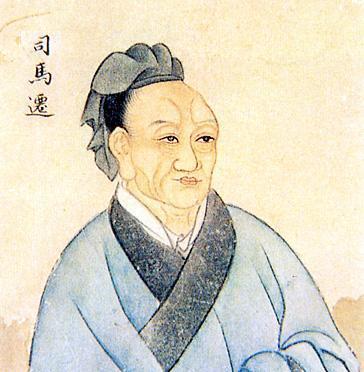
Sima Qian
AncientScientistChina-145 — -86
西汉伟大的史学家,著有《史记》,开创纪传体史书体例,被誉为史家之绝唱无韵之离骚。
Compare Sima Qian with another historical figure:
Quick Facts
Born
145 BCE
Died
86 BCE
Country
China
Era
Ancient
Occupation
Scientist
Score Overview
Military (10%)14
Political (20%)29
Influence (20%)68
Legacy (20%)70
Leadership (15%)22
Strategy (15%)50
Total Score48.4
Sima Qian — Complete Timeline
108 BC
Appointed Grand HistorianOther◆ Major
Sima Qian succeeded his father Sima Tan as Grand Historian (Taishi) of the Han court. This position gave him access to the imperial archives and library, providing the resources necessary to compile a comprehensive history of China from ancient times to the Han dynasty.
Han DynastyHistoriographyCareer
Impact: regionalconstructive
99 BC
Defended Li LingPolitical Action◆ Major
Sima Qian spoke in defense of General Li Ling, who had surrendered to the Xiongnu after a failed campaign. Emperor Wu of Han interpreted this as criticism of his brother-in-law Li Guangli, who had also performed poorly. Sima Qian was sentenced to death for defaming the emperor.
Han DynastyPolitical RepressionXiongnu Wars
Impact: nationaldestructive
98 BC
Suffered CastrationOther◆ Major
Sima Qian chose castration over execution or a fine to continue his historical work. Under Han law, castration was one of the Five Punishments and carried immense social stigma. He endured this to complete the Records of the Grand Historian, viewing his work as a duty to his father and to history.
Han DynastyPunishmentPersonal Sacrifice
Impact: nationaldestructive
91 BC
Completed Records of the Grand HistorianOther◆ Major
Sima Qian completed the Shiji (Records of the Grand Historian), a 130-chapter work covering 2,000 years of Chinese history from the Yellow Emperor to Emperor Wu of Han. It introduced the annals-biography format, established the model for Chinese historiography, and included treatises on economics, astronomy, and music.
HistoriographyChinese LiteratureCultural Heritage
Impact: globalconstructive
Detailed Scores
▶View all detailed scores
Military
Strategy
2
Tactics
1
Battles
2
Army Scale
2
War Impact
1
Political
Governance
2
Reform
2
Stability
2
Policy
3
Power
2
Influence
History
8
Global
7
Culture
8
Ideology
8
Legacy
7
People often compare with
See how Sima Qian stacks up against other historical figures