Loading...
Al-Mutadid vs Li Heng
Al-Mutadid leads by 4.2 pts · 2 figures compared
…
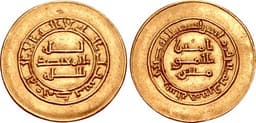
Al-Mutadid
Emperor · Medieval
57.9Total
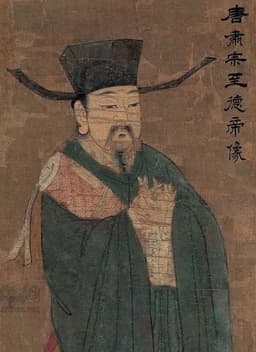
Li Heng
Emperor · Medieval
53.7Total
Basic Information
Born
857
711
Died
902
762
Era
Medieval
Medieval
Nationality
Abbasid Caliphate
China
Occupation
Emperor
Emperor
Civilization
Middle Eastern
Eastern
Score Comparison
Military (10%)
52.5
55.0
Political (20%)
68.0
43.7
Influence (20%)
55.7
56.4
Legacy (20%)
47.5
50.0
Leadership (15%)
74.0
62.2
Strategy (15%)
55.0
57.5
TOTAL
57.9
53.7
Al-Mutadid — Complete Timeline
883 AD
Suppression of the Zanj RebellionWar◆ Major
Al-Mutadid, as regent and later caliph, led the final campaign that crushed the Zanj Rebellion. The rebel leader Ali ibn Muhammad was killed, and the revolt was brutally suppressed, restoring some order to southern Iraq.
Zanj RebellionMilitary CampaignRestoration
Impact: regionalconstructive
901 AD
Execution of the Qarmatian LeaderPolitical Action
Al-Mutadid ordered the execution of a captured Qarmatian leader, Yahya ibn Zikrawayh. This act was part of his efforts to suppress the Qarmatian movement, which threatened Abbasid rule in Syria and Iraq.
QarmatiansExecutionSuppression
Impact: regionaldestructive
Li Heng — Complete Timeline
756 AD
Accession during the An Lushan RebellionPolitical Action
Li Heng ascended the throne at Lingwu after his father, Emperor Xuanzong, fled the capital during the An Lushan Rebellion. He assumed command of the loyalist forces and began organizing resistance against the rebel state of Yan.
An Lushan RebellionAccessionCrisis
Impact: national
757 AD
Recruitment of Uyghur MercenariesWar◆ Major
Li Heng secured a military alliance with the Uyghur Khaganate, who provided cavalry to fight the rebels. The Uyghur forces played a crucial role in recapturing Chang'an and Luoyang, but their looting of the capitals caused resentment.
Uyghur AllianceMercenariesCivil War
Impact: regional
Recapture of Chang'an and LuoyangWar◆ Major
Tang forces, aided by Uyghur cavalry, recaptured the western capital Chang'an and then the eastern capital Luoyang from the Yan rebels. These victories marked the turning point of the rebellion, though the war continued for years.
An Lushan RebellionCapital RecaptureTurning Point
Impact: nationalconstructive
762 AD
Death of Li HengOther
Li Heng died in 762, shortly before the final suppression of the An Lushan Rebellion. His reign was entirely consumed by the civil war, and he did not live to see the full restoration of Tang authority.
DeathUnfinished War
Impact: nationaltragic
Expert Analysis
Origins
Al-Mutadid (full name: Ahmad ibn Talha al-Muwaffaq) was born in 857 AD into the Abbasid caliphal family. His father, al-Muwaffaq, was the de facto ruler during the reign of his brother al-Mu'tamid. Al-Mutadid grew up in a court riven by factionalism and military decline. He received a military education and early command experience, notably leading campaigns against the Zanj rebels. In contrast, Li Heng was born in 711 AD as the third son of Emperor Xuanzong of Tang. He grew up in the prosperous but politically complex Tang court. His mother was Consort Yang, and he was initially not the crown prince; he was appointed heir after the death of his elder brother. Both rulers inherited empires in crisis, but their backgrounds differed: Al-Mutadid was a seasoned general before becoming caliph, while Li Heng was a prince thrust into leadership during a rebellion.
Rise to Power
Al-Mutadid's rise was gradual and military-driven. In 883, he led the final assault that crushed the Zanj Rebellion, personally killing the rebel leader Ali ibn Muhammad. This victory made him immensely popular. In 892, on his father's death, he became caliph. Li Heng's accession was abrupt and desperate. In 756, as the An Lushan Rebellion raged, Emperor Xuanzong fled Chang'an. Li Heng, then crown prince, did not follow; instead, he went to Lingwu where he was proclaimed emperor. This was a risky move that could have been seen as usurpation, but it allowed him to coordinate resistance. Both men seized opportunities: Al-Mutadid through military success, Li Heng through political necessity.
Leadership & Governance
Al-Mutadid ruled with a firm hand. He restored the authority of the caliphate by reasserting control over provinces. In 905, he sent an expedition that reconquered Egypt from the Tulunids, ending their 37-year autonomy. He also suppressed Qarmatian movements, executing their leader Yahya ibn Zikrawayh. His governance was autocratic, relying on his military reputation. Li Heng, by contrast, had to delegate. He appointed generals like Guo Ziyi and secured an alliance with the Uyghur Khaganate, who provided cavalry. In 757, Tang-Uyghur forces recaptured Chang'an and Luoyang. However, Li Heng struggled with political infighting and reliance on eunuchs. Al-Mutadid's political score of 68.0 reflects his effective restoration of central power, while Li Heng's 43.7 indicates his weaker grip on the court.
Triumph & Tragedy
Al-Mutadid's greatest triumph was the suppression of the Zanj Rebellion, which had threatened the Abbasid heartland for 14 years. He also restored Egypt and reduced Qarmatian threats. However, his reign was short (892–902) and he failed to fully stabilize the empire; after his death, decline resumed. Li Heng's triumph was the recapture of the capitals, which preserved the Tang dynasty. But his tragedy was that he died in 762 before the rebellion was fully crushed, and his reign saw the loss of imperial prestige and reliance on foreign troops. Al-Mutadid's military score of 52.5 and strategy of 55.0 indicate solid but not exceptional performance, while Li Heng's 55.0 and 57.5 show slightly better strategic moves but weaker political execution.
Character & Destiny
Al-Mutadid was decisive and ruthless. He personally led troops and didn't hesitate to execute enemies. His character fit the crisis: a strongman needed to restore order. Li Heng was more cautious and diplomatic, securing alliances but also making compromises that weakened the throne. Historical assessments note Al-Mutadid as a capable restorer, while Li Heng is seen as a transitional figure. Their fates were shaped by their contexts: Al-Mutadid died of illness after a decade, Li Heng died amid ongoing war.
Legacy
Al-Mutadid's legacy is the brief resurgence of Abbasid power. He proved the caliphate could still project force, but his gains were not lasting. The Qarmatians revived after his death, and Egypt was lost again. Li Heng's legacy is the survival of the Tang dynasty, which continued for another 150 years. However, the rebellion permanently weakened central authority, leading to warlordism. In terms of scores, Al-Mutadid has a total of 57.9, Li Heng 53.7, a difference of 4.2 points. The gap is narrow, but Al-Mutadid's higher political and leadership scores (74.0 vs 62.2) reflect his more effective governance.
Conclusion
Al-Mutadid had greater impact as a ruler because he not only fought a major rebellion but also restored direct control over key provinces, demonstrating effective leadership. His political score of 68.0 and leadership of 74.0 underline his ability to govern, while Li Heng's lower political score (43.7) shows his struggles. Although Li Heng saved the Tang, his reign was defined by compromise and ongoing crisis. Al-Mutadid's actions temporarily reversed Abbasid decline, making him the more impactful figure.
Rankings
🥇
Al-MutadidLeader
Mil: 52.5Pol: 68.0Inf: 55.7
57.9
🥈
Li Heng
Mil: 55.0Pol: 43.7Inf: 56.4
53.7
+4.2 behind
How This Comparison Works
Algorithm
Each figure is scored on 6 dimensions (0—100 scale) based on structured historical data: Military (10%), Political (20%), Influence (20%), Legacy (20%), Leadership (15%), Strategy (15%). The weighted total produces the final ranking.
Data Sources
Scores are computed from structured sub-indicators in the database. Scale factors adjust for era (Ancient ×0.85, Modern ×1.0) and civilization size (Eastern ×1.05, Other ×0.80) to account for differences in population and military scale.
Maximum 3 Figures
Comparisons are limited to 2—3 figures to ensure readability and statistical meaningfulness.
Error Margins
±5 points per dimension — Sub-scores are derived from historical records with inherent uncertainty. Two figures within 5 points on a dimension should be considered roughly equivalent in that area.
Total Score Accuracy
±3 points overall — The weighted combination of 6 dimensions produces a total score with approximately ±3 points of uncertainty. Differences of less than 3 points are not statistically significant— the figures are effectively tied.
Known Limitations
- Historical records are incomplete and uneven across civilizations
- Figures from oral-tradition societies may be underrepresented
- Occupation labels can misclassify multi-role figures
- Scores measure capability and impact, not moral character
- Quantitative scoring is a comparison tool, not absolute truth
Capability Radar
Military (10%) — Battles & Warfare
Battles
55
60
Win Rate
60
55
Expansion
50
30
Political (20%) — Governance & Reform
Reform
55
40
Diplomacy
50
45
Economy
45
35
Influence (20%) — Cultural & Global Reach
Cultural
40
40
Global
35
40
Legacy (20%) — Historical Impact
Historical
45
55
Longevity
40
45
Leadership (15%) — Power & Stability
Tenure
60
50
Stability
50
30
Strategy (15%) — Tactics & Innovation
Strategy
55
55
Tactics
50
50
Reform
45
40
Similar Comparisons
Comments & Discussion
No comments yet. Be the first to share your thoughts!