Loading...
Al-Mutamid vs King Yeonsangun of Joseon
Al-Mutamid leads by 0.1 pts · 2 figures compared
…
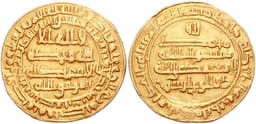
Al-Mutamid
Emperor · Medieval
39.2Total

King Yeonsangun of Joseon
Emperor · Medieval
39.1Total
Basic Information
Born
844
1476
Died
892
1506
Era
Medieval
Medieval
Nationality
Abbasid Caliphate
Korea
Occupation
Emperor
Emperor
Civilization
Middle Eastern
Eastern
Score Comparison
Military (10%)
21.2
20.0
Political (20%)
25.0
32.1
Influence (20%)
51.0
48.6
Legacy (20%)
41.7
41.7
Leadership (15%)
41.5
34.6
Strategy (15%)
39.6
45.0
TOTAL
39.2
39.1
Al-Mutamid — Complete Timeline
869 AD
Zanj RebellionWar◆ Major
A major slave revolt began in the marshlands of southern Iraq, led by Ali ibn Muhammad. Al-Mutamid's caliphate struggled to suppress the rebellion for over a decade, draining resources and weakening Abbasid authority.
Zanj RebellionSlave RevoltAbbasid Decline
Impact: regionaldestructive
871 AD
Battle of BasraWar◆ Major
Zanj rebels captured and sacked the city of Basra, massacring its inhabitants. This event demonstrated the inability of Al-Mutamid's forces to protect major urban centers, further eroding caliphal prestige.
Zanj RebellionBattleBasra
Impact: regionaltragic
892 AD
Death of Al-MutamidPolitical Action◆ Major
Al-Mutamid died, possibly poisoned by his brother and successor Al-Mutadid. His death ended a reign marked by the devastating Zanj Rebellion and the continued fragmentation of Abbasid power.
DeathSuccessionAbbasid
Impact: nationaltragic
King Yeonsangun of Joseon — Complete Timeline
1498 AD
First Literati Purge of 1498Political Action◆ Major
Yeonsangun ordered the execution and exile of many scholar-officials from the Sarim faction, accusing them of criticizing his rule. This purge intensified factional conflict and established his reputation for tyranny.
Political PurgeFactionalismTyranny
Impact: nationaldestructive
1504 AD
Second Literati Purge of 1504Political Action◆ Major
Yeonsangun launched a second, more brutal purge, executing hundreds of officials and their families. He targeted those involved in his mother's death and anyone who opposed his excesses, further destabilizing the court.
Political PurgeMassacreTyranny
Impact: nationaldestructive
Destruction of the Office of Special CounselorsPolitical Action
Yeonsangun abolished the Office of Special Counselors (Hongmungwan) and other advisory bodies, centralizing power in his own hands. This act removed checks on royal authority and allowed his tyranny to go unchecked.
Institutional DestructionAutocracy
Impact: nationaldestructive
1506 AD
Deposition by the Jungjong CoupPolitical Action
A group of officials and military leaders staged a coup, deposing Yeonsangun and exiling him to Ganghwa Island. He was the first Joseon king to be forcibly removed from power, and his half-brother Jungjong was installed as king.
CoupDepositionJoseon Dynasty
Impact: nationaldestructive
Expert Analysis
Origins
Al-Mutamid (born 842) was the son of Caliph Al-Mutawakkil, raised in the luxury of Samarra. He became a caliph during the Abbasid decline, his reign overshadowed by the Zanj Rebellion. King Yeonsangun (born 1476) was the son of King Seongjong and deposed Queen Yun, who was executed for adultery. His traumatic childhood fueled his later tyranny.
Rise to Power
Al-Mutamid ascended in 870 after the death of his brother Al-Muhtadi. His rule was weak from the start, with effective power held by his brother Al-Muwaffaq. Yeonsangun became king in 1494 at age 18. Initially, he was seen as capable, but his rule turned tyrannical after learning of his mother's execution, leading to purges.
Leadership & Governance
Al-Mutamid's governance was marked by indecisiveness. He scored 41.5 in leadership, relying on his brother to suppress the Zanj Rebellion (869-883). The rebellion, led by Ali ibn Muhammad, captured Basra in 871, massacring inhabitants. Al-Mutamid's military score of 21.2 reflects his inability to control his realm. Yeonsangun, with a political score of 32.1, centralized power by abolishing the Office of Special Counselors in 1504. He executed hundreds in the Second Literati Purge (1504), targeting officials involved in his mother's death. His leadership score of 34.6 indicates a more direct but brutal rule.
Triumph & Tragedy
Al-Mutamid's triumph was enduring the Zanj Rebellion for 14 years without being overthrown, but his tragedy was the devastation of southern Iraq. The rebellion killed hundreds of thousands, and his legacy is tied to this failure. Yeonsangun's greatest success was maintaining power for 12 years despite widespread opposition. His tragedy was being deposed in the Jungjong Coup (1506), exiled to Ganghwa Island—the first Joseon king to be forcibly removed. His purges destroyed the Sarim faction, weakening the scholar-official class.
Character & Destiny
Al-Mutamid was passive, allowing his brother to rule. This indecision scored him 39.6 in strategy, as he failed to stop the rebellion. His death (possibly poisoned by Al-Mutadid in 892) reflects his lack of control. Yeonsangun was paranoid and vengeful, driving him to extreme measures. His strategy score of 45.0 shows a calculated approach to centralization, but his cruelty alienated allies, leading to his downfall.
Legacy
Al-Mutamid's legacy score of 41.7 is tied to the Zanj Rebellion, which weakened the Abbasid Caliphate irreparably. Yeonsangun's legacy score of 41.7 is similarly negative; he is remembered as a tyrant whose purges set back Joseon's political development. Both left behind unstable states.
Conclusion
While both scored nearly identical totals (39.2 vs 39.1), Al-Mutamid's impact was greater due to the scale of the Zanj Rebellion, which involved hundreds of thousands and reshaped the Abbasid economy. Yeonsangun's purges, though brutal, affected a smaller elite. Al-Mutamid's failure had more lasting consequences for the Islamic world.
Rankings
🥇
Al-MutamidLeader
Mil: 21.2Pol: 25.0Inf: 51.0
39.2
🥈
King Yeonsangun of Joseon
Mil: 20.0Pol: 32.1Inf: 48.6
39.1
+0.1 behind
How This Comparison Works
Algorithm
Each figure is scored on 6 dimensions (0—100 scale) based on structured historical data: Military (10%), Political (20%), Influence (20%), Legacy (20%), Leadership (15%), Strategy (15%). The weighted total produces the final ranking.
Data Sources
Scores are computed from structured sub-indicators in the database. Scale factors adjust for era (Ancient ×0.85, Modern ×1.0) and civilization size (Eastern ×1.05, Other ×0.80) to account for differences in population and military scale.
Maximum 3 Figures
Comparisons are limited to 2—3 figures to ensure readability and statistical meaningfulness.
Error Margins
±5 points per dimension — Sub-scores are derived from historical records with inherent uncertainty. Two figures within 5 points on a dimension should be considered roughly equivalent in that area.
Total Score Accuracy
±3 points overall — The weighted combination of 6 dimensions produces a total score with approximately ±3 points of uncertainty. Differences of less than 3 points are not statistically significant— the figures are effectively tied.
Known Limitations
- Historical records are incomplete and uneven across civilizations
- Figures from oral-tradition societies may be underrepresented
- Occupation labels can misclassify multi-role figures
- Scores measure capability and impact, not moral character
- Quantitative scoring is a comparison tool, not absolute truth
Capability Radar
Military (10%) — Battles & Warfare
Battles
15
5
Win Rate
10
5
Expansion
5
5
Political (20%) — Governance & Reform
Reform
20
10
Diplomacy
20
10
Economy
15
10
Influence (20%) — Cultural & Global Reach
Cultural
25
20
Global
20
10
Legacy (20%) — Historical Impact
Historical
30
30
Longevity
20
20
Leadership (15%) — Power & Stability
Tenure
40
30
Stability
10
10
Strategy (15%) — Tactics & Innovation
Strategy
10
5
Tactics
10
5
Reform
5
5
Similar Comparisons
Comments & Discussion
No comments yet. Be the first to share your thoughts!