Loading...
Chungnyeol of Goryeo vs Umar II
Umar II leads by 4.1 pts · 2 figures compared
…

Chungnyeol of Goryeo
Emperor · Medieval
51.8Total
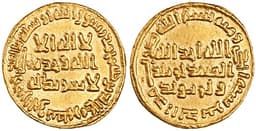
Umar II
Emperor · Medieval
55.9Total
Basic Information
Born
1236
682
Died
1308
720
Era
Medieval
Medieval
Nationality
Korea
Umayyad Caliphate
Occupation
Emperor
Emperor
Civilization
Eastern
Middle Eastern
Score Comparison
Military (10%)
21.2
10.2
Political (20%)
54.7
78.0
Influence (20%)
56.4
62.0
Legacy (20%)
49.2
56.0
Leadership (15%)
74.0
71.0
Strategy (15%)
39.6
30.3
TOTAL
51.8
55.9
Chungnyeol of Goryeo — Complete Timeline
1271 AD
Suppression of Sambyeolcho RebellionWar◆ Major
Chungnyeol, with Mongol support, crushed the Sambyeolcho Rebellion, a military force resisting Mongol domination. The rebellion was defeated on Jeju Island, ending organized Goryeo resistance to Yuan control.
RebellionMongol AllianceMilitary Campaign
Impact: nationaldestructive
1274 AD
Participation in Mongol Invasions of JapanWar◆ Major
Chungnyeol provided Goryeo ships and troops for the Mongol invasions of Japan in 1274 and 1281. The invasions failed due to typhoons, but Goryeo suffered heavy losses in men and resources, straining the kingdom.
Mongol InvasionsJapanMilitary Campaign
Impact: regionaldestructive
Marriage to Mongol PrincessPolitical Action◆ Major
Chungnyeol married a Mongol princess, becoming the first Goryeo king to do so. This marriage solidified Goryeo's status as a vassal state of the Yuan dynasty, initiating a period of Mongol influence over Korean affairs.
Mongol InfluenceDiplomacyYuan Dynasty
Impact: national
1275 AD
Adoption of Mongol CustomsCultural
Chungnyeol adopted Mongol hairstyles, clothing, and court rituals, requiring Goryeo officials to follow suit. This cultural shift demonstrated Goryeo's subordination to the Yuan dynasty and altered Korean court traditions.
Cultural ChangeMongol InfluenceCourt Reform
Impact: national
Umar II — Complete Timeline
717 AD
Accession as CaliphPolitical Action◆ Major
Umar II became the Umayyad caliph after the death of Sulayman ibn Abd al-Malik. He is often considered the fifth 'Rashidun' (rightly guided) caliph due to his piety and reforms.
SuccessionCaliphate
Impact: global
718 AD
Withdrawal from the Siege of ConstantinopleWar◆ Major
Umar II ordered the withdrawal of Umayyad forces from the prolonged siege of Constantinople, which had failed to capture the city. This ended a major military campaign and saved resources.
SiegeConstantinopleWithdrawal
Impact: regional
Reforms in taxation and justiceReform◆ Major
Umar II implemented reforms that equalized tax treatment between Arab Muslims and non-Arab converts (mawali), abolished discriminatory taxes, and ensured fairer administration of justice. These reforms reduced social tensions.
Tax ReformJusticeEquality
Impact: globalprogressive
720 AD
Death and short reignOther
Umar II died after a reign of only three years, possibly poisoned. His short tenure was marked by significant reforms, and he was later remembered as a model of Islamic piety and justice.
DeathReignPiety
Impact: globaltragic
Expert Analysis
Origins
Chungnyeol of Goryeo (born 1236) was the 25th king of the Goryeo dynasty, ascending to the throne in 1274. He was the son of King Wonjong and a member of the Wang clan. His early life was shaped by the Mongol invasions that had devastated Korea since 1231. He spent his youth as a hostage at the Mongol court, which exposed him to Mongol culture and politics. This experience profoundly influenced his later policies.
Umar II (born 682) was an Umayyad caliph, reigning from 717 to 720. He was born in Medina to Abd al-Aziz ibn Marwan, a governor of Egypt, and Layla bint Asim, a granddaughter of Caliph Umar I. His lineage connected him to the early Islamic leadership. He was raised in a scholarly environment, studying the Quran and hadith, which instilled in him a strong sense of piety and justice.
Rise to Power
Chungnyeol became king in 1274 after his father's death, with the support of the Mongol Yuan dynasty. His elevation was a direct result of Mongol influence; he had to travel to the Yuan court to receive investiture. His reign began with the suppression of the Sambyeolcho Rebellion (1270-1273), a military force that resisted Mongol domination. With Mongol assistance, he crushed the rebellion on Jeju Island, solidifying his position as a Mongol vassal. This event marked a turning point, as Chungnyeol fully embraced Mongol suzerainty.
Umar II rose to power after the death of Caliph Sulayman in 717. Sulayman had appointed Umar as his successor, bypassing his own sons, due to Umar's reputation for piety and competence. Umar's accession was unusual for the Umayyad dynasty, which typically passed power within the Marwanid line. His rise reflected a desire for reform after the excesses of previous caliphs.
Leadership & Governance
Chungnyeol's governance was characterized by subservience to the Yuan dynasty. He married a Mongol princess, Khutugh Beki, in 1274, becoming the first Goryeo king to do so. This marriage required him to adopt Mongol customs: he wore Mongol clothing, styled his hair in Mongol fashion, and forced his court to follow suit. He also participated in the Mongol invasions of Japan in 1274 and 1281, providing ships and troops. These campaigns failed due to typhoons, but Goryeo suffered heavy losses. Politically, he maintained stability by appeasing the Mongols, but his policies weakened Goryeo's sovereignty.
Umar II implemented significant reforms during his short reign. He equalized tax treatment between Arab Muslims and non-Arab converts (mawali), abolished discriminatory taxes on Christians and Jews, and ensured justice for all subjects. He also ordered the withdrawal from the siege of Constantinople (717-718), ending a costly campaign. His leadership focused on religious piety and administrative justice, earning him the title of the fifth "rightly guided" caliph. His political score is 78.0, reflecting his effective governance despite a short tenure.
Triumph & Tragedy
Chungnyeol's greatest success was maintaining Goryeo's existence as a vassal state under Mongol domination, avoiding outright annexation. His cooperation with the Yuan prevented further invasions and allowed Goryeo to preserve its cultural identity to some extent. However, his greatest failure was the erosion of Goryeo's independence and the heavy costs of the Mongol invasions of Japan, which killed thousands of Korean soldiers and sailors. He also suppressed the Sambyeolcho Rebellion, which, while stabilizing his rule, eliminated a force that resisted foreign domination.
Umar II's triumph was his comprehensive reform program, which improved the treatment of non-Arab Muslims and non-Muslims, and his withdrawal from Constantinople, which saved resources. His tragedy was his short reign of only three years; he died in 720, possibly poisoned, leaving his reforms incomplete. His legacy as a pious reformer contrasts with the later Umayyad decline.
Character & Destiny
Chungnyeol was pragmatic and submissive, prioritizing survival over sovereignty. His character was shaped by his hostage experience and his dependence on Mongol support. He was willing to adopt foreign customs and sacrifice national pride for political stability. This approach preserved his dynasty but undermined Goryeo's autonomy. Historians often view him as a weak king who facilitated Mongol control.
Umar II was known for his piety, humility, and justice. He refused to use the caliphal treasury for personal luxury and sought to rule according to Islamic principles. His character drove his reforms, but his idealism may have contributed to his early death, as his policies alienated powerful Umayyad elites. His destiny was to be remembered as a saintly figure, but his reforms were largely reversed after his death.
Legacy
Chungnyeol's legacy is mixed. He is remembered as the first Goryeo king to marry a Mongol princess, symbolizing the subjugation of Goryeo to the Yuan. His cultural policies introduced Mongol elements into Korean society, but they were later rejected. His military contributions to the Mongol invasions of Japan are a footnote in history. His overall score of 51.8 reflects limited impact; his leadership score is 74.0, but his military score is only 21.2.
Umar II's legacy is more positive. He is revered as a just and pious ruler, often considered the fifth Rashidun caliph. His tax reforms influenced later Islamic governance, and his withdrawal from Constantinople ended a major military campaign. Despite his short reign, his political score of 78.0 and influence score of 62.0 indicate lasting impact. His legacy score is 56.0.
Conclusion
Umar II had a greater impact than Chungnyeol of Goryeo. Despite his short reign, Umar II implemented meaningful reforms that improved the lives of non-Arab Muslims and non-Muslims, setting a standard for Islamic governance. His total score of 55.9 is only slightly higher than Chungnyeol's 51.8, but his political and influence scores are significantly higher. Chungnyeol's reign, while longer, was marked by subservience and cultural erosion, with no enduring positive reforms. Umar II's legacy as a pious reformer continues to be celebrated, while Chungnyeol is remembered as a vassal king who compromised his nation's sovereignty.
Rankings
🥇
Umar IILeader
Mil: 10.2Pol: 78.0Inf: 62.0
55.9
🥈
Chungnyeol of Goryeo
Mil: 21.2Pol: 54.7Inf: 56.4
51.8
+4.1 behind
How This Comparison Works
Algorithm
Each figure is scored on 6 dimensions (0—100 scale) based on structured historical data: Military (10%), Political (20%), Influence (20%), Legacy (20%), Leadership (15%), Strategy (15%). The weighted total produces the final ranking.
Data Sources
Scores are computed from structured sub-indicators in the database. Scale factors adjust for era (Ancient ×0.85, Modern ×1.0) and civilization size (Eastern ×1.05, Other ×0.80) to account for differences in population and military scale.
Maximum 3 Figures
Comparisons are limited to 2—3 figures to ensure readability and statistical meaningfulness.
Error Margins
±5 points per dimension — Sub-scores are derived from historical records with inherent uncertainty. Two figures within 5 points on a dimension should be considered roughly equivalent in that area.
Total Score Accuracy
±3 points overall — The weighted combination of 6 dimensions produces a total score with approximately ±3 points of uncertainty. Differences of less than 3 points are not statistically significant— the figures are effectively tied.
Known Limitations
- Historical records are incomplete and uneven across civilizations
- Figures from oral-tradition societies may be underrepresented
- Occupation labels can misclassify multi-role figures
- Scores measure capability and impact, not moral character
- Quantitative scoring is a comparison tool, not absolute truth
Capability Radar
Military (10%) — Battles & Warfare
Battles
15
10
Win Rate
10
10
Expansion
5
5
Political (20%) — Governance & Reform
Reform
40
85
Diplomacy
70
70
Economy
30
75
Influence (20%) — Cultural & Global Reach
Cultural
40
60
Global
30
50
Legacy (20%) — Historical Impact
Historical
55
65
Longevity
40
55
Leadership (15%) — Power & Stability
Tenure
60
30
Stability
50
60
Strategy (15%) — Tactics & Innovation
Strategy
10
10
Tactics
10
10
Reform
5
20
Similar Comparisons
Comments & Discussion
No comments yet. Be the first to share your thoughts!