Loading...
Ferdinand I of Romania vs William III of England
William III of England leads by 18.2 pts · 2 figures compared
…
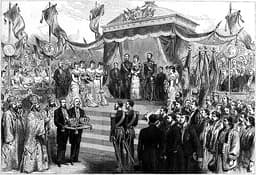
Ferdinand I of Romania
Emperor · Modern
52.1Total

William III of England
Emperor · Modern
70.3Total
Basic Information
Born
1865
1650
Died
1927
1702
Era
Modern
Modern
Nationality
Romania
England
Occupation
Emperor
Emperor
Civilization
Western
Western
Score Comparison
Military (10%)
50.0
61.7
Political (20%)
45.0
75.0
Influence (20%)
54.9
82.0
Legacy (20%)
45.8
55.0
Leadership (15%)
68.0
80.0
Strategy (15%)
50.0
66.3
TOTAL
52.1
70.3
Ferdinand I of Romania — Complete Timeline
1914 AD
Ascended to the Throne of RomaniaPolitical Action◆ Major
Ferdinand I became King of Romania on October 10, 1914, following the death of his uncle, King Carol I. He inherited a kingdom at a critical moment, as World War I had just begun, and Romania was initially neutral.
AccessionWorld War INeutrality
Impact: national
1916 AD
Led Romania into World War I on the Allied SideWar
Ferdinand I signed the Treaty of Bucharest with the Allies on August 17, 1916, committing Romania to enter World War I on their side. Romania declared war on Austria-Hungary on August 27, 1916, aiming to annex Transylvania.
World War IAllianceTransylvania
Impact: regional
1918 AD
Oversaw the Union of Transylvania with RomaniaPolitical Action
Following the collapse of Austria-Hungary, the Great National Assembly of Alba Iulia proclaimed the union of Transylvania with Romania on December 1, 1918. Ferdinand I ratified this union, fulfilling a key national goal and greatly expanding Romania's territory.
Great UnionTransylvaniaNational Unification
Impact: nationalconstructive
1921 AD
Implemented the Land Reform of 1921Reform◆ Major
Ferdinand I signed the Agrarian Reform Law of 1921, which expropriated large estates and redistributed land to peasants. This reform aimed to address rural poverty and create a stable class of small landowners, but it also weakened the traditional aristocracy.
Land ReformPeasantrySocial Change
Impact: nationalprogressive
1922 AD
Crowned King of Greater Romania at Alba IuliaPolitical Action◆ Major
Ferdinand I and Queen Marie were crowned in a grand ceremony at Alba Iulia on October 15, 1922, symbolizing the unification of all Romanian provinces. The coronation affirmed the creation of Greater Romania after World War I.
CoronationGreater RomaniaSymbolism
Impact: nationalconstructive
William III of England — Complete Timeline
1688 AD
Invasion of England (Glorious Revolution)War
William III landed at Torbay with a Dutch army of 15,000 men. He marched on London as James II's army disintegrated. James fled to France, and William was invited by Parliament to take the throne. This invasion established Protestant succession and parliamentary supremacy.
Glorious RevolutionInvasionConstitutional Change
Impact: nationalconstructive
Nine Years' War (War of the Grand Alliance)War◆ Major
William III led England into the Nine Years' War against France under Louis XIV. He fought campaigns in the Spanish Netherlands and Ireland. The war ended with the Treaty of Ryswick in 1697, which recognized William as king of England.
WarFranceEuropean Conflict
Impact: global
1689 AD
Signing of the Bill of RightsPolitical Action
William III accepted the Bill of Rights, which prohibited the monarch from suspending laws, levying taxes without Parliament, or maintaining a standing army in peacetime. This document established constitutional monarchy in England and limited royal prerogative.
Bill of RightsConstitutional MonarchyParliamentary Supremacy
Impact: nationalconstructive
1690 AD
Battle of the BoyneWar◆ Major
William III personally led his army to victory over James II's forces at the River Boyne in Ireland. This battle secured Protestant control of Ireland and solidified William's throne. It remains a key event in Irish Protestant history.
BattleIrelandProtestant-Catholic Conflict
Impact: regional
1702 AD
Death from PneumoniaOther◆ Major
William III died of pneumonia following a fall from his horse. He was buried in Westminster Abbey. His death ended the Stuart line and passed the throne to Mary's sister Anne, as William had no surviving children.
DeathSuccessionMonarchy
Impact: nationaltragic
Expert Analysis
Origins
Ferdinand I of Romania was born on August 24, 1865, in Sigmaringen, Germany, as the second son of Prince Leopold of Hohenzollern-Sigmaringen and Princess Antonia of Portugal. He was a member of the Hohenzollern dynasty, but his family had close ties to the Romanian royal house. Ferdinand studied at the University of Tübingen and later in Leipzig, and was groomed for a military career. However, in 1889, he was adopted by his uncle, King Carol I of Romania, and became the heir apparent. He married Princess Marie of Edinburgh in 1893, who would become a influential queen.
William III of England was born on November 4, 1650, in The Hague, Netherlands, as the son of William II, Prince of Orange, and Mary, Princess Royal of England. His father died a week before his birth, leaving him as prince of Orange from birth. He was raised in the Dutch Republic, receiving a Calvinist education. He studied at Leiden University and was trained in military affairs. In 1677, he married his cousin Mary, daughter of James, Duke of York (later James II of England), strengthening his ties to the English throne.
Rise to Power
Ferdinand's rise was largely due to his adoption by King Carol I, who had no direct heirs. He became crown prince in 1889 and gradually took on state responsibilities. His major turning point came on October 10, 1914, when he ascended the throne after Carol's death. At that time, Romania was neutral in World War I, but Ferdinand, influenced by his wife Queen Marie and political leaders like Ion Brătianu, decided to join the Allies. On August 17, 1916, he signed the Treaty of Bucharest, committing Romania to war. This decision was risky, but ultimately led to territorial gains.
William III's rise was more dramatic. As a Dutch stadtholder, he faced French aggression under Louis XIV. His marriage to Mary in 1677 gave him a claim to the English throne. The Glorious Revolution began in 1688 when English nobles invited him to invade to overthrow the Catholic James II. William landed at Torbay with a Dutch army of 15,000 men on November 5, 1688. James's army disintegrated, and James fled to France. In February 1689, William and Mary were crowned joint monarchs, with William de facto ruler.
Leadership & Governance
Ferdinand I governed as a constitutional monarch, but his reign was marked by significant reforms. He signed the Agrarian Reform Law of 1921, which expropriated large estates and redistributed land to peasants, aiming to address rural poverty. This reform, however, had mixed results, as it sometimes reduced agricultural productivity. He also oversaw the unification of Romania after World War I, incorporating Transylvania, Bessarabia, and Bukovina. His leadership style was cautious and diplomatic, relying on capable ministers like Brătianu.
William III transformed English governance. He accepted the Bill of Rights in 1689, which prohibited the monarch from suspending laws, levying taxes without Parliament, or maintaining a standing army in peacetime. This established parliamentary supremacy and constitutional monarchy. William also secured the Toleration Act, granting religious freedom to Protestant dissenters. He was deeply involved in military and foreign policy, leading England into the Nine Years' War against France. His leadership was decisive and energetic, but he often prioritized Dutch interests over English ones.
Triumph & Tragedy
Ferdinand's greatest triumph was the unification of Romania. After World War I, the Treaty of Trianon (1920) recognized the union of Transylvania with Romania, fulfilling the dream of Greater Romania. His coronation at Alba Iulia in 1922 symbolized this achievement. However, his failures include the poor management of the war effort initially; Romania was quickly overrun by Central Powers in 1916-1917, leading to a separate peace in 1918. The land reform also created economic challenges. Ferdinand died on July 20, 1927, leaving a legacy of unity but also unresolved social issues.
William III's triumph was the Glorious Revolution, which established lasting constitutional reforms. His victory at the Battle of the Boyne in 1690 secured Protestant dominance in Ireland. He also successfully led the Grand Alliance against France, though the Nine Years' War ended in a stalemate. His tragedies include the Massacre of Glencoe in 1692, where government forces killed MacDonald clan members for failing to swear allegiance—a stain on his reputation. He also faced opposition from Jacobites who sought to restore James II. William died from pneumonia after a riding accident in 1702, without direct heirs.
Character & Destiny
Ferdinand was known as a reserved, dutiful monarch, often overshadowed by his charismatic wife, Queen Marie. He was methodical and cautious, which helped stabilize Romania during turbulent times. His decision to enter WWI on the Allied side was calculated, though initially disastrous. His character shaped his destiny: his patience and persistence paid off with the eventual unification, but his cautiousness also led to missed opportunities for faster reforms.
William III was astute, determined, and a skilled military commander. He was often cold and aloof, with a single-minded focus on combating French hegemony. His character drove him to pursue the Glorious Revolution and the Nine Years' War. His destiny was tied to the Protestant cause and the balance of power in Europe. His death without heirs led to the end of the Stuart dynasty and the succession of Anne, then the Hanoverians.
Legacy
Ferdinand I is remembered as the "Unifier" of Romania, the king who presided over the creation of Greater Romania. His political score is 45.0, reflecting his role as a constitutional monarch. His legacy includes the modern Romanian state, though his reforms had mixed long-term effects. The land reform of 1921 is still debated. He scored 45.8 in legacy, indicating his impact is primarily national.
William III's legacy is profound: he established constitutional monarchy in England, influencing political systems worldwide. The Bill of Rights is a foundational document. He scored 82.0 in influence and 75.0 in political, reflecting his global impact. However, his legacy score of 55.0 is lower due to his contested reputation in Ireland and Scotland. He is often called "William of Orange" and is celebrated by Protestants, but criticized by Catholics.
Conclusion
William III had a greater impact than Ferdinand I, as reflected in his total score of 70.3 vs Ferdinand's 52.1. While Ferdinand unified Romania and achieved national goals, William's actions reshaped the political foundations of England and influenced the development of constitutional governance globally. His military score of 61.7 and leadership of 80.0 also surpassed Ferdinand's 50.0 and 68.0. The score gap of 18.2 points is justified: William's legacy extends beyond national borders, whereas Ferdinand's is confined to Romania. Thus, William III stands as the more historically significant figure.
Rankings
🥇
William III of EnglandLeader
Mil: 61.7Pol: 75.0Inf: 82.0
70.3
🥈
Ferdinand I of Romania
Mil: 50.0Pol: 45.0Inf: 54.9
52.1
+18.2 behind
How This Comparison Works
Algorithm
Each figure is scored on 6 dimensions (0—100 scale) based on structured historical data: Military (10%), Political (20%), Influence (20%), Legacy (20%), Leadership (15%), Strategy (15%). The weighted total produces the final ranking.
Data Sources
Scores are computed from structured sub-indicators in the database. Scale factors adjust for era (Ancient ×0.85, Modern ×1.0) and civilization size (Eastern ×1.05, Other ×0.80) to account for differences in population and military scale.
Maximum 3 Figures
Comparisons are limited to 2—3 figures to ensure readability and statistical meaningfulness.
Error Margins
±5 points per dimension — Sub-scores are derived from historical records with inherent uncertainty. Two figures within 5 points on a dimension should be considered roughly equivalent in that area.
Total Score Accuracy
±3 points overall — The weighted combination of 6 dimensions produces a total score with approximately ±3 points of uncertainty. Differences of less than 3 points are not statistically significant— the figures are effectively tied.
Known Limitations
- Historical records are incomplete and uneven across civilizations
- Figures from oral-tradition societies may be underrepresented
- Occupation labels can misclassify multi-role figures
- Scores measure capability and impact, not moral character
- Quantitative scoring is a comparison tool, not absolute truth
Capability Radar
Military (10%) — Battles & Warfare
Battles
20
75
Win Rate
25
70
Expansion
10
60
Political (20%) — Governance & Reform
Reform
55
80
Diplomacy
70
85
Economy
40
75
Influence (20%) — Cultural & Global Reach
Cultural
30
60
Global
40
70
Legacy (20%) — Historical Impact
Historical
50
75
Longevity
35
70
Leadership (15%) — Power & Stability
Tenure
60
70
Stability
45
65
Strategy (15%) — Tactics & Innovation
Strategy
30
78
Tactics
15
72
Reform
40
65
Similar Comparisons
Comments & Discussion
No comments yet. Be the first to share your thoughts!