Loading...
This comparison has not been analyzed yet.
One-time AI generation (~1 minute). Scores and timeline are already available below.
King Xuan of Zhou vs Umar ibn Abd al-Aziz
Umar ibn Abd al-Aziz leads by 3.0 pts · 2 figures compared
…

King Xuan of Zhou
Emperor · Ancient
51.5Total
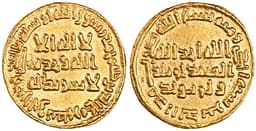
Umar ibn Abd al-Aziz
Emperor · Ancient
54.5Total
Basic Information
Born
-828
-682
Died
-782
—
Era
Ancient
Ancient
Nationality
Zhou China
Umayyad Caliphate
Occupation
Emperor
Emperor
Civilization
Eastern
Middle Eastern
Score Comparison
Military (10%)
55.0
22.6
Political (20%)
68.0
78.0
Influence (20%)
51.8
59.0
Legacy (20%)
44.2
54.0
Leadership (15%)
40.0
62.0
Strategy (15%)
57.5
30.3
TOTAL
51.5
54.5
King Xuan of Zhou — Complete Timeline
828 BC
Restoration of Zhou AuthorityPolitical Action◆ Major
After the Gonghe Regency ended, King Xuan ascended the throne and worked to restore the Zhou king's authority. He reasserted control over the feudal lords and revived the central government's power.
RestorationZhou DynastyCentral Authority
Impact: nationalconstructive
820 BC
Military Campaigns Against the Xianyun and HuaiyiWar◆ Major
King Xuan led successful military campaigns against the Xianyun (northern nomads) and the Huaiyi (eastern tribes). These victories secured the borders and restored Zhou military prestige.
Military CampaignXianyunHuaiyi
Impact: regional
810 BC
Economic Revival and Tax ReformsReform◆ Major
King Xuan implemented economic reforms, including tax adjustments and land redistribution, to revive the Zhou economy. These measures increased state revenue and improved agricultural productivity.
Economic ReformTaxationAgriculture
Impact: nationalconstructive
789 BC
Defeat at the Battle of QianmuWar◆ Major
King Xuan suffered a major military defeat against the Jiang Rong tribe at the Battle of Qianmu. This loss weakened the Zhou army and marked a setback in the king's efforts to restore military dominance.
Military DefeatJiang RongSetback
Impact: regionaltragic
Umar ibn Abd al-Aziz — Complete Timeline
717 AD
Accession as CaliphPolitical Action◆ Major
Umar ibn Abd al-Aziz became the eighth Umayyad caliph after the death of Sulayman ibn Abd al-Malik. His reign, though short, was marked by significant reforms and a departure from the policies of his predecessors.
CaliphateUmayyadSuccession
Impact: regional
718 AD
Withdrawal from the Siege of ConstantinopleWar◆ Major
Umar ibn Abd al-Aziz ordered the withdrawal of Umayyad forces from the prolonged and unsuccessful siege of Constantinople. This decision ended a costly military campaign and shifted focus to internal consolidation and reform.
SiegeByzantine EmpireWithdrawal
Impact: regional
Tax Reforms and JusticeReform◆ Major
Umar ibn Abd al-Aziz implemented sweeping tax reforms, abolishing the jizya (poll tax) for non-Muslims who converted to Islam and ensuring equal treatment of all subjects. He also ordered the return of confiscated lands and property to their rightful owners.
Tax ReformJusticeIslamic Governance
Impact: regionalprogressive
This comparison has not been analyzed yet.
One-time AI generation (~1 minute). Scores and timeline are already available below.
Rankings
🥇
Umar ibn Abd al-AzizLeader
Mil: 22.6Pol: 78.0Inf: 59.0
54.5
🥈
King Xuan of Zhou
Mil: 55.0Pol: 68.0Inf: 51.8
51.5
+3.0 behind
How This Comparison Works
Algorithm
Each figure is scored on 6 dimensions (0—100 scale) based on structured historical data: Military (10%), Political (20%), Influence (20%), Legacy (20%), Leadership (15%), Strategy (15%). The weighted total produces the final ranking.
Data Sources
Scores are computed from structured sub-indicators in the database. Scale factors adjust for era (Ancient ×0.85, Modern ×1.0) and civilization size (Eastern ×1.05, Other ×0.80) to account for differences in population and military scale.
Maximum 3 Figures
Comparisons are limited to 2—3 figures to ensure readability and statistical meaningfulness.
Error Margins
±5 points per dimension — Sub-scores are derived from historical records with inherent uncertainty. Two figures within 5 points on a dimension should be considered roughly equivalent in that area.
Total Score Accuracy
±3 points overall — The weighted combination of 6 dimensions produces a total score with approximately ±3 points of uncertainty. Differences of less than 3 points are not statistically significant— the figures are effectively tied.
Known Limitations
- Historical records are incomplete and uneven across civilizations
- Figures from oral-tradition societies may be underrepresented
- Occupation labels can misclassify multi-role figures
- Scores measure capability and impact, not moral character
- Quantitative scoring is a comparison tool, not absolute truth
Capability Radar
Military (10%) — Battles & Warfare
Battles
45
10
Win Rate
50
10
Expansion
40
5
Political (20%) — Governance & Reform
Reform
55
85
Diplomacy
50
70
Economy
60
75
Influence (20%) — Cultural & Global Reach
Cultural
40
60
Global
30
55
Legacy (20%) — Historical Impact
Historical
45
70
Longevity
40
65
Leadership (15%) — Power & Stability
Tenure
60
30
Stability
55
80
Strategy (15%) — Tactics & Innovation
Strategy
50
10
Tactics
40
10
Reform
55
20
Similar Comparisons
Comments & Discussion
No comments yet. Be the first to share your thoughts!