Loading...
Lucius Tarquinius Superbus vs Merneptah
Lucius Tarquinius Superbus leads by 1.6 pts · 2 figures compared
…
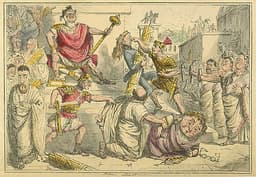
Lucius Tarquinius Superbus
Emperor · Ancient
51.5Total
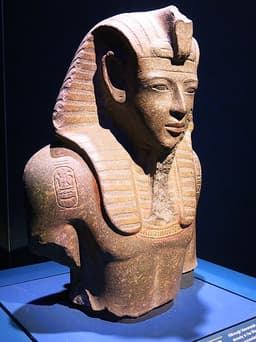
Merneptah
Emperor · Ancient
49.9Total
Basic Information
Born
-535
-1213
Died
-509
-1203
Era
Ancient
Ancient
Nationality
Roman Kingdom
Egypt
Occupation
Emperor
Emperor
Civilization
Western
Middle Eastern
Score Comparison
Military (10%)
25.0
52.5
Political (20%)
43.7
48.0
Influence (20%)
55.7
52.5
Legacy (20%)
50.0
49.2
Leadership (15%)
67.0
40.0
Strategy (15%)
60.0
60.0
TOTAL
51.5
49.9
Lucius Tarquinius Superbus — Complete Timeline
535 BC
Seizure of the ThronePolitical Action◆ Major
Lucius Tarquinius Superbus seized the throne by murdering his predecessor Servius Tullius with the help of his wife Tullia. He refused to hold elections or consult the Senate, ruling as an absolute monarch and establishing a reign of terror.
UsurpationTyrannyRoyal Murder
Impact: nationaldestructive
530 BC
Construction of the Temple of Jupiter Optimus MaximusCultural◆ Major
Tarquinius Superbus completed the construction of the Temple of Jupiter Optimus Maximus on the Capitoline Hill, a project begun by his father. This temple became the most important religious sanctuary in Rome, housing the Capitoline Triad and symbolizing Roman power.
Religious BuildingTempleCapitoline Hill
Impact: nationalconstructive
509 BC
War with the Rutuli and the Siege of ArdeaWar◆ Major
Tarquinius Superbus waged war against the Rutuli and besieged their city Ardea. The siege was prolonged and unsuccessful, and it was during this campaign that his son Sextus Tarquinius raped Lucretia, an event that sparked the rebellion leading to the monarchy's overthrow.
SiegeWarLucretia Incident
Impact: regionaldestructive
Expulsion from Rome and Establishment of the RepublicPolitical Action
Following the rape of Lucretia and a revolt led by Lucius Junius Brutus, Tarquinius Superbus was expelled from Rome along with his family. The monarchy was abolished, and the Roman Republic was established, with Brutus and Collatinus elected as the first consuls.
End of MonarchyRoman RepublicRevolution
Impact: global
508 BC
Attempted Restoration with Lars PorsenaWar◆ Major
Tarquinius Superbus sought help from Lars Porsena, king of Clusium, to regain the Roman throne. Porsena besieged Rome but eventually made peace with the Republic, abandoning Tarquinius's cause and forcing him into exile in Tusculum.
ExileSiege of RomeEtruscan Intervention
Impact: regional
Merneptah — Complete Timeline
1210 BC
Libyan War campaignWar◆ Major
Merneptah repelled an invasion by Libyan tribes and their Sea Peoples allies in the western Delta. The victory was recorded in the Great Karnak Inscription. This campaign secured Egypt's western borders and prevented a major incursion into the Nile Valley.
LibyaSea PeoplesDefense
Impact: regional
Suppression of the revolt in CanaanWar
Merneptah conducted a military campaign in Canaan to suppress rebellions against Egyptian control. The campaign included the capture of the cities of Gezer, Yanoam, and Ashkelon. This reasserted Egyptian authority over the region for the remainder of his reign.
CanaanRevoltMilitary
Impact: regional
1208 BC
Merneptah Stele inscriptionCultural◆ Major
Merneptah commissioned a victory stele at Thebes that contains the earliest known extrabiblical reference to Israel. The stele describes a military campaign in Canaan and states 'Israel is laid waste, its seed is not.' This provides the first historical evidence of Israel as a people in the region.
IsraelSteleCanaan
Impact: global
Expert Analysis
Origins
Lucius Tarquinius Superbus, traditionally the seventh and final king of Rome, reigned from 535 to 509 BCE. He was the son (or possibly grandson) of Tarquinius Priscus, an earlier Etruscan king of Rome. His birth year is uncertain, but he was likely born around 570 BCE. His family background was Etruscan, and he grew up in a Rome that was expanding under Etruscan influence. He married Tullia, the daughter of King Servius Tullius, a marriage that would prove pivotal. His education was typical for a Roman noble of the time, involving military and political training, but his ambition soon overshadowed any virtues.
Merneptah was the fourth pharaoh of the 19th Dynasty of Egypt, ruling from approximately 1213 to 1203 BCE. He was the 13th son of Ramesses II, the great builder and warrior pharaoh. Born around 1270 BCE, Merneptah was not initially destined for the throne, as he was far down the line of succession. However, the early deaths of his older brothers elevated him. His mother was Isetnofret, one of Ramesses II's chief wives. He received a princely education in military strategy, administration, and religion, preparing him for governance in old age.
Rise to Power
Tarquinius Superbus seized power through murder and intrigue. With his wife Tullia's encouragement, he staged a coup against her father, King Servius Tullius. According to Livy, Tarquinius had Servius assassinated in the street, and Tullia famously drove her chariot over her father's body. Tarquinius then refused to hold elections or consult the Senate, ruling as a tyrant. His reign began in 535 BCE, marked by his disregard for traditional Roman institutions.
Merneptah rose to power peacefully as the designated heir of Ramesses II. He was already in his 50s when he became pharaoh following his father's death in 1213 BCE. His accession was smooth, as Ramesses had ensured a stable succession. However, he faced immediate challenges: the empire was strained from decades of Ramesses' massive building projects and military campaigns. Merneptah had to assert his authority quickly.
Leadership & Governance
Tarquinius ruled as an autocrat, bypassing the Senate and the popular assemblies. He used violence and fear to maintain control, executing senators who opposed him and surrounding himself with loyalists. He focused on grand building projects, most notably completing the Temple of Jupiter Optimus Maximus on the Capitoline Hill, which became a symbol of Roman religious and political life. He also expanded Roman territory through wars with the Sabines and Latins. However, his harsh rule alienated the aristocracy and the people. His leadership scored 67.0, but his political score of 43.7 reflects his failure to build lasting support.
Merneptah governed as a traditional pharaoh, maintaining the bureaucracy and religious cults. He undertook military campaigns to secure Egypt's borders, especially against the Libyans and Sea Peoples. He also initiated building projects, though on a smaller scale than his father. He was a pragmatist, focusing on defense rather than expansion. His political score of 48.0 indicates moderate effectiveness, while his leadership score of 40.0 suggests he was less dynamic than his predecessors.
Triumph & Tragedy
Tarquinius's greatest triumph was completing the Temple of Jupiter, which became the central temple of the Roman Republic. He also expanded Rome's territory and influence. However, his tyranny led directly to his downfall. The rape of Lucretia by his son Sextus sparked a revolt led by Lucius Junius Brutus, resulting in the expulsion of the Tarquins in 509 BCE. This event established the Roman Republic, a system that lasted nearly 500 years. Tarquinius's attempts to regain the throne, including an appeal to Lars Porsena of Clusium, failed. His military score of 25.0 reflects his inability to hold power.
Merneptah's triumph was his victory over the Libyan invasion and the Sea Peoples, recorded in the Great Karnak Inscription. His stele, the Merneptah Stele, contains the earliest known mention of Israel, marking a significant archaeological artifact. His campaign in Canaan subdued rebellions and maintained Egyptian control. However, his reign saw the beginning of Egypt's decline, with economic troubles and loss of territory. His legacy score of 49.2 indicates a mixed impact.
Character & Destiny
Tarquinius was ambitious, ruthless, and arrogant. His character led him to seize power through murder and to rule with an iron fist. This ultimately sealed his fate; his cruelty united the Roman aristocracy against him. Historical assessments, such as those by Livy, portray him as a tyrant whose expulsion was necessary for Roman liberty. His character score, while not directly rated, aligns with his low political and military scores.
Merneptah was cautious and defensive, perhaps due to his advanced age. He prioritized stability over expansion. His character was shaped by his father's long shadow; he had to prove himself as a capable ruler. He succeeded in repelling invasions but failed to reverse the empire's decline. Historians view him as a competent but uninspired pharaoh, reflected in his total score of 49.9.
Legacy
Tarquinius's legacy is paradoxical: he was the last king of Rome, and his expulsion led to the Republic. The Roman Republic became a model for later governments, and the hatred of kingship influenced Roman politics for centuries. His building projects, especially the Temple of Jupiter, endured. His influence score of 55.7 acknowledges his indirect impact on political thought.
Merneptah's legacy rests heavily on the Merneptah Stele, which provides the first historical mention of Israel. This artifact is crucial for biblical archaeology and ancient Near Eastern history. His military campaigns are recorded in inscriptions, but he did not match the fame of his father. His influence score of 52.5 reflects his lasting but narrow impact.
Conclusion
While Tarquinius and Merneptah both ruled in the ancient world, their impacts differ greatly. Tarquinius's tyranny directly sparked the creation of the Roman Republic, a system that shaped Western civilization for millennia. His influence is profound, even if his personal scores are modest. Merneptah, while important for the Merneptah Stele, was a transitional figure in Egypt's decline. His total score of 49.9 is slightly lower than Tarquinius's 51.5. Therefore, Tarquinius Superbus had the greater historical impact, as his actions led to a political transformation that reverberated through history.
Rankings
🥇
Lucius Tarquinius SuperbusLeader
Mil: 25.0Pol: 43.7Inf: 55.7
51.5
🥈
Merneptah
Mil: 52.5Pol: 48.0Inf: 52.5
49.9
+1.6 behind
How This Comparison Works
Algorithm
Each figure is scored on 6 dimensions (0—100 scale) based on structured historical data: Military (10%), Political (20%), Influence (20%), Legacy (20%), Leadership (15%), Strategy (15%). The weighted total produces the final ranking.
Data Sources
Scores are computed from structured sub-indicators in the database. Scale factors adjust for era (Ancient ×0.85, Modern ×1.0) and civilization size (Eastern ×1.05, Other ×0.80) to account for differences in population and military scale.
Maximum 3 Figures
Comparisons are limited to 2—3 figures to ensure readability and statistical meaningfulness.
Error Margins
±5 points per dimension — Sub-scores are derived from historical records with inherent uncertainty. Two figures within 5 points on a dimension should be considered roughly equivalent in that area.
Total Score Accuracy
±3 points overall — The weighted combination of 6 dimensions produces a total score with approximately ±3 points of uncertainty. Differences of less than 3 points are not statistically significant— the figures are effectively tied.
Known Limitations
- Historical records are incomplete and uneven across civilizations
- Figures from oral-tradition societies may be underrepresented
- Occupation labels can misclassify multi-role figures
- Scores measure capability and impact, not moral character
- Quantitative scoring is a comparison tool, not absolute truth
Capability Radar
Military (10%) — Battles & Warfare
Battles
30
55
Win Rate
35
60
Expansion
40
40
Political (20%) — Governance & Reform
Reform
30
40
Diplomacy
35
50
Economy
40
45
Influence (20%) — Cultural & Global Reach
Cultural
45
35
Global
50
40
Legacy (20%) — Historical Impact
Historical
60
60
Longevity
55
55
Leadership (15%) — Power & Stability
Tenure
50
60
Stability
20
55
Strategy (15%) — Tactics & Innovation
Strategy
45
55
Tactics
40
50
Reform
30
30
Similar Comparisons
Comments & Discussion
No comments yet. Be the first to share your thoughts!