Loading...
Nebuchadnezzar II vs Yajna Sri Satakarni
Nebuchadnezzar II leads by 9.0 pts · 2 figures compared
…
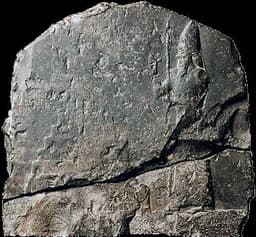
Nebuchadnezzar II
Emperor · Ancient
64.0Total
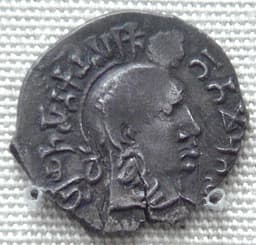
Yajna Sri Satakarni
Emperor · Ancient
55.0Total
Basic Information
Born
-634
152
Died
-562
181
Era
Ancient
Ancient
Nationality
Babylon
India
Occupation
Emperor
Emperor
Civilization
Middle Eastern
Indian
Score Comparison
Military (10%)
78.0
55.0
Political (20%)
72.0
48.0
Influence (20%)
68.0
54.1
Legacy (20%)
40.0
46.7
Leadership (15%)
78.0
74.0
Strategy (15%)
67.2
60.0
TOTAL
64.0
55.0
Nebuchadnezzar II — Complete Timeline
597 BC
Conquest of JudahWar◆ Major
Nebuchadnezzar II first captured Jerusalem in 597 BCE, deposing King Jehoiachin and installing Zedekiah as a vassal. This initial conquest began the Babylonian domination of Judah.
ConquestJudahBabylon
Impact: regional
587 BC
Destruction of the First TempleWar
Nebuchadnezzar II's Babylonian army besieged Jerusalem, destroyed Solomon's Temple, and deported many Jews to Babylon. This event, known as the Babylonian Captivity, reshaped Jewish religious and national identity.
SiegeJerusalemJewish History
Impact: globaldestructive
580 BC
Construction of the Hanging GardensCultural◆ Major
Nebuchadnezzar II is traditionally credited with building the Hanging Gardens of Babylon, one of the Seven Wonders of the Ancient World. The gardens were a terraced structure with exotic plants, though their existence is debated.
ArchitectureWonderBabylon
Impact: globalconstructive
575 BC
Construction of the Ishtar GateCultural◆ Major
Nebuchadnezzar II built the Ishtar Gate, a monumental entrance to Babylon decorated with glazed bricks depicting lions and dragons. The gate symbolized Babylonian power and was part of his extensive building program.
ArchitectureGateBabylon
Impact: regionalconstructive
Yajna Sri Satakarni — Complete Timeline
165 AD
Patronized Literature and LearningCultural◆ Major
Yajna Sri Satakarni was a patron of Sanskrit and Prakrit literature. He supported scholars and poets, contributing to the cultural flourishing of the Satavahana court. His reign is associated with the composition of works like the Gatha Saptashati.
PatronageLiteratureCulture
Impact: regionalconstructive
170 AD
Defeated the Shaka KshatrapasWar◆ Major
Yajna Sri Satakarni led a successful military campaign against the Western Kshatrapas (Shaka rulers), reclaiming territories in Gujarat and Malwa. This victory restored Satavahana prestige and control over western trade routes.
ShakaReconquestTrade
Impact: regional
172 AD
Issued Coins with Ship MotifCultural
Yajna Sri Satakarni issued coins featuring a ship motif, symbolizing the importance of maritime trade to the Satavahana economy. These coins are among the earliest Indian depictions of ships on coinage.
CoinageMaritimeSymbolism
Impact: regionalconstructive
175 AD
Expanded Maritime TradeOther
Under Yajna Sri Satakarni, the Satavahana kingdom expanded maritime trade with the Roman Empire. Ports like Bharuch (Barygaza) saw increased traffic of goods such as spices, textiles, and precious stones.
TradeRoman EmpireMaritime
Impact: regionalconstructive
Expert Analysis
Origins
Nebuchadnezzar II (c. 642–562 BCE) was the eldest son of Nabopolassar, founder of the Neo-Babylonian Empire. Born into a Chaldean dynasty, he received military training from a young age and led campaigns alongside his father against the Assyrian Empire. His upbringing in a royal household focused on warfare and statecraft. In contrast, Yajna Sri Satakarni (c. 170–199 CE) belonged to the Satavahana dynasty of the Deccan plateau in India. Little is known of his early life, but he likely assumed the throne after his predecessor, Vashishtiputra Satakarni, faced setbacks against the Western Kshatrapas. The Satavahanas were known for their administrative systems and patronage of Prakrit and Sanskrit literature.
Rise to Power
Nebuchadnezzar II rose to prominence as a military commander under his father. In 605 BCE, he led the Babylonian army to a decisive victory against the Egyptians at the Battle of Carchemish, securing Babylonian control over Syria and Palestine. Upon Nabopolassar's death later that year, Nebuchadnezzar swiftly returned to Babylon and assumed the throne without opposition. His early reign focused on consolidating these conquests. Conversely, Yajna Sri Satakarni came to power during a period of Satavahana decline. The Western Kshatrapas under Rudradaman I had encroached on Satavahana territory. Yajna reversed this trend by launching a successful campaign against the Shaka rulers, reclaiming areas in Gujarat and Malwa around 185 CE. His military victories restored Satavahana prestige and allowed him to issue coins with a ship motif, symbolizing control over trade routes.
Leadership & Governance
Nebuchadnezzar II ruled as an absolute monarch with a centralized administration. He undertook massive building projects, including the walls of Babylon, the Ishtar Gate, and the Hanging Gardens (if historical). His governance focused on military expansion and infrastructure to project power. He deported conquered peoples, such as the Jews, to suppress rebellion and integrate labor. In contrast, Yajna Sri Satakarni's leadership emphasized cultural patronage and economic development. He supported scholars and poets, contributing to the flourishing of Prakrit literature. His administration likely maintained the Satavahana system of feudatory rulers and local autonomy. While Nebuchadnezzar's score for leadership is 78.0, Yajna scores 74.0, indicating similar effectiveness but different styles.
Triumph & Tragedy
Nebuchadnezzar II's greatest triumph was the conquest of Jerusalem in 587 BCE, destroying the First Temple and ending the Kingdom of Judah. This event solidified his reputation as a formidable conqueror and is recorded in the Hebrew Bible. However, his empire was short-lived; after his death, internal strife and external pressures led to the fall of Babylon to the Persians in 539 BCE. His legacy is mixed: admired for architectural wonders but condemned for brutal conquests. Yajna Sri Satakarni's greatest success was defeating the Western Kshatrapas, restoring Satavahana dominance in the west. His patronage of literature and maritime trade brought prosperity. Yet, his reign marked the end of the Satavahana golden age; after him, the dynasty declined. He scored 46.7 in legacy, lower than Nebuchadnezzar's 40.0, but his influence (54.1) exceeds Nebuchadnezzar's (68.0) in cultural terms.
Character & Destiny
Nebuchadnezzar II was ambitious, ruthless, and pragmatic. He personally led armies and oversaw construction projects. His character is depicted in the Bible as a proud king humbled by God (Book of Daniel), but Babylonian records show a devout ruler who restored temples. His decisions, such as deporting elites, aimed to control conquered peoples but sowed resentment. Yajna Sri Satakarni appears as a capable military leader and a patron of arts. His coinage reflects a focus on trade and cultural identity. He likely faced challenges from feudatories and external threats, but his reign stabilized the kingdom. Both leaders shaped their destinies through military prowess, but Yajna's emphasis on culture contrasts with Nebuchadnezzar's monumental architecture.
Legacy
Nebuchadnezzar II is remembered as the builder of the Hanging Gardens (one of the Seven Wonders) and the destroyer of Solomon's Temple. His reign is a benchmark for Babylonian power, influencing Jewish, Christian, and Islamic traditions. His military score of 78.0 reflects his conquests, but his total score (64.0) highlights limitations. Yajna Sri Satakarni's legacy lies in reviving Satavahana power and promoting trade and literature. His ship coins are iconic, and his patronage fostered a cultural renaissance. However, his dynasty faded soon after. In terms of global impact, Nebuchadnezzar's influence is broader due to religious texts, while Yajna's is regional.
Conclusion
Nebuchadnezzar II had greater overall impact based on historical scope and lasting fame. His military achievements (78.0) and architectural legacy overshadow Yajna's more localized contributions. While Yajna excelled in cultural patronage (influence 54.1), Nebuchadnezzar's total score of 64.0 versus Yajna's 55.0 underscores his superior reach. The destruction of Jerusalem and the Hanging Gardens continue to resonate globally, whereas Yajna's reign is primarily known to Indian history enthusiasts. Thus, Nebuchadnezzar II stands as the more significant figure in world history.
Rankings
🥇
Nebuchadnezzar IILeader
Mil: 78.0Pol: 72.0Inf: 68.0
64.0
🥈
Yajna Sri Satakarni
Mil: 55.0Pol: 48.0Inf: 54.1
55.0
+9.0 behind
How This Comparison Works
Algorithm
Each figure is scored on 6 dimensions (0—100 scale) based on structured historical data: Military (10%), Political (20%), Influence (20%), Legacy (20%), Leadership (15%), Strategy (15%). The weighted total produces the final ranking.
Data Sources
Scores are computed from structured sub-indicators in the database. Scale factors adjust for era (Ancient ×0.85, Modern ×1.0) and civilization size (Eastern ×1.05, Other ×0.80) to account for differences in population and military scale.
Maximum 3 Figures
Comparisons are limited to 2—3 figures to ensure readability and statistical meaningfulness.
Error Margins
±5 points per dimension — Sub-scores are derived from historical records with inherent uncertainty. Two figures within 5 points on a dimension should be considered roughly equivalent in that area.
Total Score Accuracy
±3 points overall — The weighted combination of 6 dimensions produces a total score with approximately ±3 points of uncertainty. Differences of less than 3 points are not statistically significant— the figures are effectively tied.
Known Limitations
- Historical records are incomplete and uneven across civilizations
- Figures from oral-tradition societies may be underrepresented
- Occupation labels can misclassify multi-role figures
- Scores measure capability and impact, not moral character
- Quantitative scoring is a comparison tool, not absolute truth
Capability Radar
Military (10%) — Battles & Warfare
Battles
85
45
Win Rate
80
50
Expansion
85
40
Political (20%) — Governance & Reform
Reform
70
40
Diplomacy
75
45
Economy
80
50
Influence (20%) — Cultural & Global Reach
Cultural
85
55
Global
80
30
Legacy (20%) — Historical Impact
Historical
90
50
Longevity
85
40
Leadership (15%) — Power & Stability
Tenure
80
55
Stability
70
50
Strategy (15%) — Tactics & Innovation
Strategy
85
45
Tactics
75
40
Reform
60
30
Similar Comparisons
Comments & Discussion
No comments yet. Be the first to share your thoughts!