Loading...
Zhao Kuangyin vs Qin Shi Huang
Qin Shi Huang leads by 8.0 pts · 2 figures compared
…
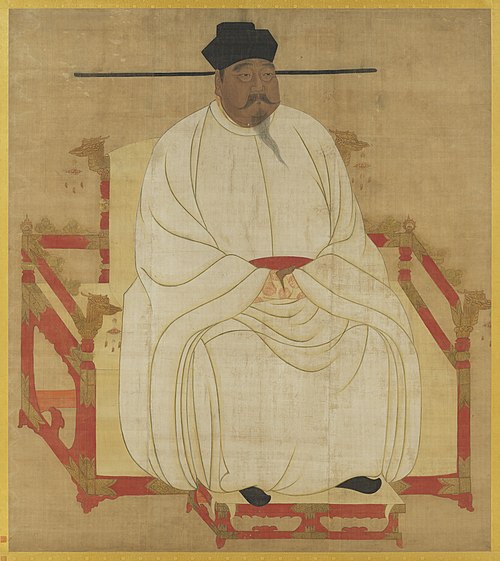
Zhao Kuangyin
Emperor · Medieval
75.5Total
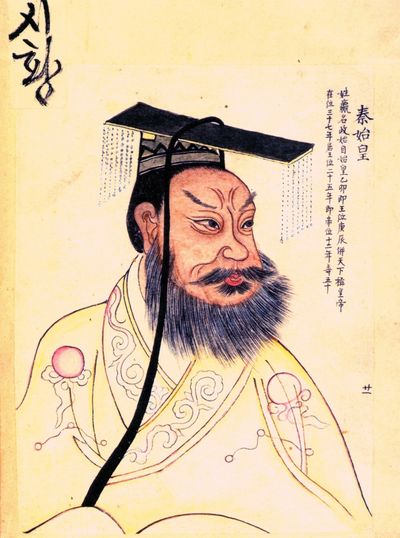
Qin Shi Huang
Emperor · Ancient
83.5Total
Basic Information
Born
927
-259
Died
976
-210
Era
Medieval
Ancient
Nationality
China
China
Occupation
Emperor
Emperor
Civilization
Eastern
Eastern
Score Comparison
Military (10%)
74.6
80.0
Political (20%)
75.9
88.0
Influence (20%)
74.9
82.0
Legacy (20%)
75.1
85.0
Leadership (15%)
82.3
88.0
Strategy (15%)
69.8
75.0
TOTAL
75.5
83.5
Rankings
🥇
Qin Shi HuangLeader
Mil: 80.0Pol: 88.0Inf: 82.0
83.5
🥈
Zhao Kuangyin
Mil: 74.6Pol: 75.9Inf: 74.9
75.5
+8.0 behind
How This Comparison Works
Algorithm
Each figure is scored on 6 dimensions (0—100 scale) based on structured historical data: Military (10%), Political (20%), Influence (20%), Legacy (20%), Leadership (15%), Strategy (15%). The weighted total produces the final ranking.
Data Sources
Scores are computed from structured sub-indicators in the database. Scale factors adjust for era (Ancient ×0.85, Modern ×1.0) and civilization size (Eastern ×1.05, Other ×0.80) to account for differences in population and military scale.
Maximum 3 Figures
Comparisons are limited to 2—3 figures to ensure readability and statistical meaningfulness.
Error Margins
±5 points per dimension — Sub-scores are derived from historical records with inherent uncertainty. Two figures within 5 points on a dimension should be considered roughly equivalent in that area.
Total Score Accuracy
±3 points overall — The weighted combination of 6 dimensions produces a total score with approximately ±3 points of uncertainty. Differences of less than 3 points are not statistically significant— the figures are effectively tied.
Known Limitations
- Historical records are incomplete and uneven across civilizations
- Figures from oral-tradition societies may be underrepresented
- Occupation labels can misclassify multi-role figures
- Scores measure capability and impact, not moral character
- Quantitative scoring is a comparison tool, not absolute truth
Capability Radar
Military (10%) — Battles & Warfare
Battles
75
85
Win Rate
85
90
Expansion
75
90
Political (20%) — Governance & Reform
Reform
90
95
Diplomacy
85
75
Economy
80
90
Influence (20%) — Cultural & Global Reach
Cultural
70
95
Global
60
85
Legacy (20%) — Historical Impact
Historical
80
95
Longevity
75
95
Leadership (15%) — Power & Stability
Tenure
65
70
Stability
85
65
Strategy (15%) — Tactics & Innovation
Strategy
80
85
Tactics
70
80
Reform
90
95
Expert Analysis
Qin Shi Huang vs Zhao Kuangyin: Historical Comparison
Qin Shi Huang, the first Emperor of a unified China, and Zhao Kuangyin, founder of the Song Dynasty, represent two distinct peaks of Chinese imperial statecraft—one defined by ruthless consolidation, the other by pragmatic stabilization. While both were transformative, Qin’s audacious centralization and enduring institutional legacy narrowly surpass Zhao’s more cautious, stability-focused reign.
Dimension Analysis
**Military: Qin Shi Huang 80 / Zhao Kuangyin 75**
Qin’s campaigns conquered six rival states through superior logistics, cavalry tactics, and total war, creating China’s first empire. Zhao unified the fragmented Ten Kingdoms via strategic diplomacy and limited campaigns, but his military was constrained by a deliberate policy of civilian control that later weakened Song defenses.
**Political: Qin Shi Huang 88 / Zhao Kuangyin 76**
Qin abolished feudalism, standardized laws, writing, and measurements, imposing an unprecedented centralized bureaucracy. Zhao’s “Strong trunk, weak branches” policy empowered civil officials over generals, preventing warlordism but also fostering bureaucratic inefficiency and fiscal strain.
**Influence: Qin Shi Huang 82 / Zhao Kuangyin 75**
Qin’s legalist framework, Great Wall foundations, and imperial title shaped Chinese governance for two millennia. Zhao’s emphasis on civil governance and economic growth (e.g., paper money, maritime trade) influenced later dynasties, but his military restraint left a legacy of vulnerability to northern invaders.
**Legacy: Qin Shi Huang 85 / Zhao Kuangyin 75**
Qin is remembered as the “First Emperor” whose unification blueprint defined China’s identity, despite his brutal methods. Zhao is praised for cultural and commercial flourishing under the Song, yet criticized for failing to recover lost northern territories, a shortcoming that haunted his dynasty.
**Leadership: Qin Shi Huang 88 / Zhao Kuangyin 82**
Qin’s iron will and visionary ruthlessness drove a revolutionary project, though his paranoia and harshness alienated elites. Zhao’s wise, conciliatory leadership (e.g., “cups of wine removing military power”) stabilized a fractured realm, but his consensus-based style lacked the transformative force of Qin’s autocracy.
Verdict
Qin Shi Huang leads due to his more radical, enduring political and institutional innovations that permanently shaped Chinese civilization, despite Zhao Kuangyin’s superior stability and cultural patronage.
FAQ
Q: Who ranks higher? A: Qin Shi Huang ranks higher overall (84 vs 76), decisively winning in political influence, legacy, and leadership impact.
Similar Comparisons
Comments & Discussion
No comments yet. Be the first to share your thoughts!