Loading...
Emperor Go-Shirakawa vs Emperor Uda
Emperor Go-Shirakawa leads by 5.8 pts · 2 figures compared
…
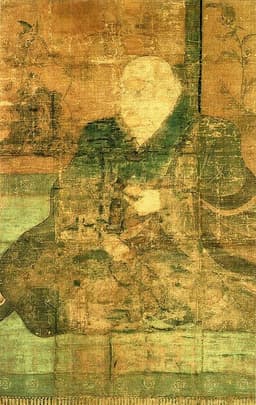
Emperor Go-Shirakawa
Emperor · Medieval
53.0Total
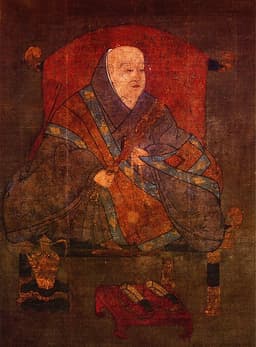
Emperor Uda
Emperor · Medieval
47.2Total
Basic Information
Born
1127
867
Died
1192
931
Era
Medieval
Medieval
Nationality
Japan
Japan
Occupation
Emperor
Emperor
Civilization
Eastern
Eastern
Score Comparison
Military (10%)
20.0
52.0
Political (20%)
68.0
37.9
Influence (20%)
62.0
50.2
Legacy (20%)
52.0
42.5
Leadership (15%)
65.0
41.5
Strategy (15%)
25.0
68.9
TOTAL
53.0
47.2
Emperor Go-Shirakawa — Complete Timeline
1086 AD
Compilation of the 'Goshui Wakashu' poetry anthologyCultural
Go-Shirakawa ordered the compilation of the Goshui Wakashu, an imperial anthology of waka poetry. This collection preserved Heian-era poetic traditions and influenced Japanese literary culture for centuries.
LiteratureWaka PoetryHeian Period
Impact: nationalconstructive
1156 AD
Role in the Hogen RebellionWar
Go-Shirakawa, as emperor, defeated the forces of retired Emperor Sutoku in the Hogen Rebellion. This victory secured his throne and involved samurai clans like the Minamoto and Taira, marking the first major military intervention by samurai in imperial politics.
Hogen RebellionSamuraiImperial Politics
Impact: national
1180 AD
Leadership during the Genpei WarWar
As cloistered emperor, Go-Shirakawa managed the Genpei War between the Minamoto and Taira clans. He shifted support between factions, ultimately backing Minamoto no Yoritomo, whose victory led to the establishment of the Kamakura shogunate and samurai rule.
Genpei WarKamakura ShogunateSamurai
Impact: national
1185 AD
Establishment of the Kamakura shogunatePolitical Action
Go-Shirakawa formally recognized Minamoto no Yoritomo as shogun, legitimizing the Kamakura shogunate. This act transferred military and political power from the imperial court to the samurai class, fundamentally altering Japan's governance structure.
Kamakura ShogunateSamurai GovernmentFeudal Japan
Impact: national
Emperor Uda — Complete Timeline
887 AD
Attempt to Counter Fujiwara DominancePolitical Action◆ Major
Emperor Uda attempted to rule without a Fujiwara regent after his abdication. He appointed his own advisors and promoted scholarship. His efforts to reduce Fujiwara influence were partially successful but ultimately temporary.
FujiwaraImperial PowerResistance
Impact: national
Promotion of Sugawara no MichizanePolitical Action◆ Major
Emperor Uda elevated the scholar Sugawara no Michizane to high court rank, bypassing the Fujiwara. Michizane became a key advisor and was appointed to the Council of State. This move was part of Uda's strategy to counter Fujiwara power.
Sugawara no MichizaneAdvisorFaction
Impact: nationalconstructive
897 AD
Abdication and Cloistered RulePolitical Action◆ Major
Emperor Uda abdicated and became a Buddhist monk, but continued to exert influence as a retired emperor (daijo tenno). This system of cloistered rule allowed him to govern from behind the scenes, a practice that later emperors would emulate.
Cloistered RuleAbdicationInsei
Impact: national
Expert Analysis
Origins
Emperor Go-Shirakawa (born 1127) was the fourth son of Emperor Toba. His mother, Fujiwara no Tamako, came from a branch of the Fujiwara clan. He received a traditional court education, including poetry and calligraphy, but was not initially expected to ascend the throne. His path changed after the early death of his elder brother, Emperor Sutoku, and political maneuvering by his father.
Emperor Uda (born 867) was the son of Emperor Koko and a low-ranking consort. His mother, Empress Dowager Fujiwara no Takaiko, was from the powerful Fujiwara clan, but Uda himself was not a Fujiwara favorite. He was raised away from court intrigues, receiving a strong Confucian education. His early life was marked by the dominance of the Fujiwara regents, who controlled the imperial succession.
Rise to Power
Go-Shirakawa became emperor in 1155 after the death of Emperor Konoe. His reign was immediately challenged by the Hogen Rebellion in 1156. With support from samurai clans Minamoto and Taira, he defeated retired Emperor Sutoku. This victory secured his throne and marked the first major intervention of samurai in imperial succession. Go-Shirakawa scored 68.0 in political acumen, reflecting his ability to navigate this crisis.
Uda ascended the throne in 887 after a period of Fujiwara regency. His father, Emperor Koko, had appointed him crown prince over Fujiwara objections. Once emperor, Uda sought to reduce Fujiwara influence. He promoted non-Fujiwara officials like Sugawara no Michizane and attempted to rule without a regent. His strategy score of 68.9 highlights his calculated approach to countering the Fujiwara.
Leadership & Governance
Go-Shirakawa's leadership style was pragmatic and adaptive. After abdicating in 1158, he ruled as a cloistered emperor (insei), maintaining authority from behind the scenes. During the Genpei War (1180-1185), he shifted support between the Taira and Minamoto clans, ultimately backing Minamoto no Yoritomo. This Machiavellian approach allowed him to outlast both factions and legitimize the Kamakura shogunate in 1192, effectively transferring military power to the samurai. His leadership score of 65.0 reflects his skill in managing powerful warlords.
Uda, by contrast, attempted direct rule through bureaucratic reforms. He appointed Sugawara no Michizane as Minister of the Right, bypassing the Fujiwara, and promoted scholarship over hereditary privilege. However, his efforts were short-lived. After his abdication in 897, he became a Buddhist monk but continued to influence politics as a retired emperor, pioneering the cloistered rule system that Go-Shirakawa would later perfect. Uda's political score of 37.9 indicates limited success in permanently curbing Fujiwara power.
Triumph & Tragedy
Go-Shirakawa's greatest triumph was his role in ending the Genpei War and establishing the Kamakura shogunate, which ruled Japan for over a century. He also commissioned the Goshui Wakashu poetry anthology, preserving Heian literary culture. However, his greatest failure was his inability to prevent the decline of imperial authority. By relying on samurai, he inadvertently set the stage for centuries of military rule. His military score of 20.0 reflects his lack of direct command.
Uda's triumph was his promotion of Sugawara no Michizane and his attempt to break Fujiwara dominance. He also successfully abdicated and maintained influence as a cloistered emperor, a model later used by Go-Shirakawa. His tragedy was the failure of his reforms. After his death, the Fujiwara regained control, and Michizane was exiled. Uda's influence score of 50.2 shows moderate impact but limited lasting change.
Character & Destiny
Go-Shirakawa was cunning, patient, and politically shrewd. He manipulated factions to maintain power, earning a reputation as a master of behind-the-scenes maneuvering. His character shaped his destiny: by supporting the samurai, he secured his immediate position but weakened the throne. Historians describe him as a "cloistered emperor who played the game of power with skill."
Uda was idealistic and scholarly, valuing merit over birth. He attempted to rule justly but lacked the ruthlessness to overcome entrenched interests. His character led to initial successes but ultimate failure. He is remembered as a cultured emperor who tried to reform the system but was foiled by the Fujiwara.
Legacy
Go-Shirakawa's legacy is the Kamakura shogunate and the rise of samurai power. He formalized the transfer of authority from court to military, shaping Japanese governance for centuries. His compilation of the Goshui Wakashu also influenced Japanese poetry. He scores 52.0 in legacy, reflecting this dual impact.
Uda's legacy is more subtle. He pioneered the cloistered rule system, which allowed retired emperors to wield power, and his promotion of Michizane elevated scholarship in government. However, his reforms were reversed. His legacy score of 42.5 indicates limited direct impact, though his model influenced later emperors.
Conclusion
Emperor Go-Shirakawa had greater historical impact than Emperor Uda. His political maneuvering during the Genpei War directly led to the establishment of the Kamakura shogunate, a watershed moment in Japanese history. While Uda's attempts to counter Fujiwara dominance were admirable, they ultimately failed. Go-Shirakawa's total score of 53.0 versus Uda's 47.2 reflects this. Go-Shirakawa's decisions shaped Japan's medieval period, making him the more consequential figure.
Rankings
🥇
Emperor Go-ShirakawaLeader
Mil: 20.0Pol: 68.0Inf: 62.0
53.0
🥈
Emperor Uda
Mil: 52.0Pol: 37.9Inf: 50.2
47.2
+5.8 behind
How This Comparison Works
Algorithm
Each figure is scored on 6 dimensions (0—100 scale) based on structured historical data: Military (10%), Political (20%), Influence (20%), Legacy (20%), Leadership (15%), Strategy (15%). The weighted total produces the final ranking.
Data Sources
Scores are computed from structured sub-indicators in the database. Scale factors adjust for era (Ancient ×0.85, Modern ×1.0) and civilization size (Eastern ×1.05, Other ×0.80) to account for differences in population and military scale.
Maximum 3 Figures
Comparisons are limited to 2—3 figures to ensure readability and statistical meaningfulness.
Error Margins
±5 points per dimension — Sub-scores are derived from historical records with inherent uncertainty. Two figures within 5 points on a dimension should be considered roughly equivalent in that area.
Total Score Accuracy
±3 points overall — The weighted combination of 6 dimensions produces a total score with approximately ±3 points of uncertainty. Differences of less than 3 points are not statistically significant— the figures are effectively tied.
Known Limitations
- Historical records are incomplete and uneven across civilizations
- Figures from oral-tradition societies may be underrepresented
- Occupation labels can misclassify multi-role figures
- Scores measure capability and impact, not moral character
- Quantitative scoring is a comparison tool, not absolute truth
Capability Radar
Military (10%) — Battles & Warfare
Battles
5
43
Win Rate
5
49
Expansion
5
50
Political (20%) — Governance & Reform
Reform
65
40
Diplomacy
75
35
Economy
40
25
Influence (20%) — Cultural & Global Reach
Cultural
60
30
Global
50
10
Legacy (20%) — Historical Impact
Historical
70
35
Longevity
65
20
Leadership (15%) — Power & Stability
Tenure
70
30
Stability
30
20
Strategy (15%) — Tactics & Innovation
Strategy
15
55
Tactics
10
57
Reform
10
61
Similar Comparisons
Comments & Discussion
No comments yet. Be the first to share your thoughts!