Loading...
Gonzalo Jimenez de Quesada vs Jean-Baptiste Bernadotte
Jean-Baptiste Bernadotte leads by 2.0 pts · 2 figures compared
…
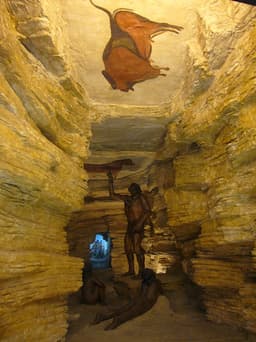
Gonzalo Jimenez de Quesada
General · Modern
59.0Total
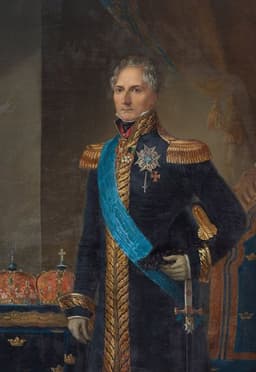
Jean-Baptiste Bernadotte
General · Modern
61.0Total
Basic Information
Born
1509
1763
Died
1579
1844
Era
Modern
Modern
Nationality
Spain
France
Occupation
General
General
Civilization
Western
Western
Score Comparison
Military (10%)
60.0
67.5
Political (20%)
68.0
62.7
Influence (20%)
60.0
55.0
Legacy (20%)
50.0
52.0
Leadership (15%)
62.0
80.0
Strategy (15%)
60.0
61.2
TOTAL
59.0
61.0
Gonzalo Jimenez de Quesada — Complete Timeline
1537 AD
Conquest of the Muisca ConfederationWar◆ Major
Quesada led an expedition of 800 men from the Caribbean coast into the Colombian interior. He defeated the Muisca Confederation, a loose alliance of Chibcha-speaking chiefdoms, through a combination of military force and diplomacy. The conquest took 2 years.
ConquestMuiscaSpanish Colonization
Impact: regionaldestructive
1538 AD
Founding of BogotáPolitical Action
Quesada founded the city of Santa Fe de Bogot
FoundingColonizationColombia
Impact: regionalconstructive
1550 AD
Appointment as Adelantado of the New Kingdom of GranadaPolitical Action◆ Major
Quesada was appointed Adelantado (governor) of the New Kingdom of Granada by the Spanish Crown. He held this position until his death, overseeing the administration and expansion of the colony. He also served as a judge in the Royal Audiencia.
GovernorshipColonial AdministrationNew Kingdom of Granada
Impact: regionalconstructive
1569 AD
Expedition to the Llanos OrientalesOther◆ Major
Quesada led an expedition into the eastern plains of Colombia (Llanos Orientales) in search of El Dorado. The expedition was a disaster, with most of the 300 men dying from disease, starvation, and attacks by indigenous peoples. Quesada returned to Bogot
ExpeditionEl DoradoFailure
Impact: regionaltragic
1579 AD
Death in MariquitaOther
Quesada died of leprosy in Mariquita, Colombia, on February 16, 1579. He was buried in the Cathedral of Bogot
DeathLeprosyColombia
Jean-Baptiste Bernadotte — Complete Timeline
1805 AD
Battle of AusterlitzWar◆ Major
Bernadotte commanded the I Corps at Austerlitz. His corps held the Allied left flank and participated in the encirclement of the Russian and Austrian forces, contributing to the French victory.
Napoleonic WarsBattleCorps Command
Impact: global
1809 AD
Battle of WagramWar◆ Major
Bernadotte commanded the Saxon IX Corps at Wagram. His corps was routed by Austrian forces, and he was criticized by Napoleon for his performance, leading to his dismissal from the Grande Arm
Napoleonic WarsBattleDefeatDismissal
Impact: regional
1810 AD
Elected Crown Prince of SwedenPolitical Action
The Swedish Riksdag elected Bernadotte as Crown Prince, due to his popularity and perceived ability to secure Norway. He converted to Lutheranism and was adopted by King Charles XIII, becoming heir to the throne.
SwedenSuccessionNapoleonic Era
Impact: nationalconstructive
1813 AD
Battle of LeipzigWar◆ Major
Bernadotte, now Crown Prince of Sweden, commanded the Swedish contingent and the Army of the North in the Allied coalition. His forces fought against Napoleon at Leipzig, contributing to the French defeat.
Napoleonic WarsBattleAllied Coalition
Impact: global
1814 AD
Treaty of KielPolitical Action◆ Major
Bernadotte negotiated the Treaty of Kiel with Denmark, which ceded Norway to Sweden. This fulfilled a key Swedish war aim and established the union between Sweden and Norway.
TreatySwedenNorwayDiplomacy
Impact: regionalconstructive
1818 AD
Reign as King of Sweden and NorwayReform◆ Major
As king, Bernadotte pursued a policy of neutrality and internal development. He improved infrastructure, reformed the legal system, and maintained peace, but faced opposition from liberal factions.
ReignReformsNeutrality
Impact: nationalconstructive
Accession as King Charles XIV JohnPolitical Action
Bernadotte ascended the Swedish throne as King Charles XIV John upon the death of Charles XIII. He founded the House of Bernadotte, which continues to reign in Sweden.
MonarchySwedenBernadotte Dynasty
Impact: nationalconstructive
Expert Analysis
Origins
Gonzalo Jimenez de Quesada was born in 1496 in Granada, Spain, into a family of minor nobility. He studied law at the University of Salamanca but soon pursued a military career in the New World. In 1535, he was appointed chief magistrate of the expedition to explore the interior of present-day Colombia. Jean-Baptiste Bernadotte was born on January 26, 1763, in Pau, France, into a middle-class family. His father was a lawyer, and Bernadotte initially followed a legal career before enlisting in the French army in 1780. He rose through the ranks during the French Revolution, becoming a general by 1794.
Rise to Power
Quesada's rise came through his leadership of the 1536 expedition from Santa Marta into the Colombian interior. With 800 men, he traversed harsh terrain and founded the city of Santa Fe de Bogotá on August 6, 1538, on the site of the Muisca village of Bacatá. He then conquered the Muisca Confederation, a loose alliance of chieftains, through a combination of military force and diplomacy. His conquest yielded significant gold and emeralds, making him a wealthy and powerful figure in the New Kingdom of Granada. Bernadotte's rise was meteoric during the French Revolutionary Wars. He served under Napoleon and was promoted to Marshal of the Empire in 1804. He commanded the I Corps at the Battle of Austerlitz in 1805, where his troops held the Allied left flank and participated in the encirclement of the Russian and Austrian armies. In 1810, the Swedish Riksdag elected him Crown Prince due to his popularity and perceived ability to secure Norway. He converted to Lutheranism and became King Charles XIV John in 1818.
Leadership & Governance
Quesada governed the New Kingdom of Granada as Adelantado, appointed by the Spanish Crown. He established colonial institutions, founded cities, and oversaw the encomienda system that subjected indigenous populations. He was a capable administrator but faced constant challenges from rival conquistadors and indigenous resistance. His governance was marked by legal disputes and bureaucratic infighting. Bernadotte, as King of Sweden and Norway, pursued a policy of neutrality and internal development. He improved infrastructure, reformed the legal system, and maintained peace during the Napoleonic Wars. His leadership style was pragmatic and cautious, focusing on stability and economic growth. He successfully navigated Sweden through the post-Napoleonic era, avoiding conflicts that could have devastated the country.
Triumph & Tragedy
Quesada's greatest triumph was the founding of Bogotá and the conquest of the Muisca, which brought immense wealth to Spain and established a major colonial capital. However, his later expedition to the Llanos Orientales in search of El Dorado was a disaster, with most of his men dying from disease and starvation. He died of leprosy in 1579, leaving his fortune to the poor. Bernadotte's triumph was securing the Treaty of Kiel in 1814, which ceded Norway to Sweden, fulfilling a key war aim. As king, he maintained Swedish neutrality and fostered economic growth. His tragedy was his strained relationship with Napoleon, who considered him a traitor. Bernadotte's decision to join the Sixth Coalition against Napoleon in 1813 marked a turning point, but it also left a legacy of betrayal in French historiography.
Character & Destiny
Quesada was determined and ambitious, driven by a desire for wealth and glory. His legal training made him a shrewd negotiator, but his stubbornness led to disastrous decisions like the Llanos expedition. He was known for his piety and left his fortune to charity. Bernadotte was pragmatic and politically astute, always prioritizing long-term stability over short-term gains. His decision to accept the Swedish crown showed his adaptability and ambition. Historians note his ability to reinvent himself from a French revolutionary to a conservative monarch. His character shaped Sweden's neutral stance, which continues to influence the country's foreign policy.
Legacy
Quesada's legacy is the city of Bogotá, now a major capital, and the integration of the Muisca into the Spanish Empire. He scored 60.0 in military and 68.0 in political, reflecting his mixed achievements. His conquest brought Christianity and European governance but also destruction of indigenous cultures. Bernadotte's legacy is the House of Bernadotte, which still rules Sweden. He scored 67.5 in military and 62.7 in political, with a leadership score of 80.0. His policies of neutrality and internal development shaped modern Sweden. The Bernadotte dynasty remains a symbol of stability and continuity.
Conclusion
While Quesada founded a capital and conquered a civilization, Bernadotte's impact is broader and more enduring. He transformed Sweden from a minor power into a neutral state that avoided wars and prospered. His political and leadership scores (62.7 and 80.0) outweigh Quesada's (68.0 and 62.0). Bernadotte's legacy continues through the Swedish monarchy, while Quesada's is confined to Colombian history. Therefore, Jean-Baptiste Bernadotte had a greater overall impact, with a total score of 61.0 versus Quesada's 59.0.
Rankings
🥇
Jean-Baptiste BernadotteLeader
Mil: 67.5Pol: 62.7Inf: 55.0
61.0
🥈
Gonzalo Jimenez de Quesada
Mil: 60.0Pol: 68.0Inf: 60.0
59.0
+2.0 behind
How This Comparison Works
Algorithm
Each figure is scored on 6 dimensions (0—100 scale) based on structured historical data: Military (10%), Political (20%), Influence (20%), Legacy (20%), Leadership (15%), Strategy (15%). The weighted total produces the final ranking.
Data Sources
Scores are computed from structured sub-indicators in the database. Scale factors adjust for era (Ancient ×0.85, Modern ×1.0) and civilization size (Eastern ×1.05, Other ×0.80) to account for differences in population and military scale.
Maximum 3 Figures
Comparisons are limited to 2—3 figures to ensure readability and statistical meaningfulness.
Error Margins
±5 points per dimension — Sub-scores are derived from historical records with inherent uncertainty. Two figures within 5 points on a dimension should be considered roughly equivalent in that area.
Total Score Accuracy
±3 points overall — The weighted combination of 6 dimensions produces a total score with approximately ±3 points of uncertainty. Differences of less than 3 points are not statistically significant— the figures are effectively tied.
Known Limitations
- Historical records are incomplete and uneven across civilizations
- Figures from oral-tradition societies may be underrepresented
- Occupation labels can misclassify multi-role figures
- Scores measure capability and impact, not moral character
- Quantitative scoring is a comparison tool, not absolute truth
Capability Radar
Military (10%) — Battles & Warfare
Battles
45
65
Win Rate
55
60
Expansion
60
55
Political (20%) — Governance & Reform
Reform
40
70
Diplomacy
45
85
Economy
35
65
Influence (20%) — Cultural & Global Reach
Cultural
50
50
Global
40
55
Legacy (20%) — Historical Impact
Historical
55
65
Longevity
50
60
Leadership (15%) — Power & Stability
Tenure
55
80
Stability
30
75
Strategy (15%) — Tactics & Innovation
Strategy
55
75
Tactics
50
70
Reform
20
60
Similar Comparisons
Comments & Discussion
No comments yet. Be the first to share your thoughts!