Loading...
Ii Naomasa vs Oda Nobuhide
Oda Nobuhide leads by 0.2 pts · 2 figures compared
…
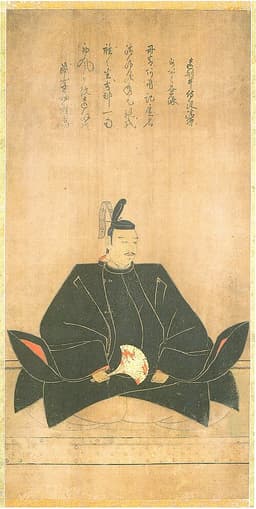
Ii Naomasa
General · Modern
53.9Total
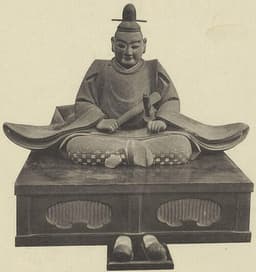
Oda Nobuhide
General · Modern
54.1Total
Basic Information
Born
1561
1510
Died
1602
1551
Era
Modern
Modern
Nationality
Japan
Japan
Occupation
General
General
Civilization
Eastern
Eastern
Score Comparison
Military (10%)
70.0
40.0
Political (20%)
39.4
54.7
Influence (20%)
57.2
56.4
Legacy (20%)
50.0
48.3
Leadership (15%)
61.1
64.5
Strategy (15%)
50.0
60.0
TOTAL
53.9
54.1
Ii Naomasa — Complete Timeline
1570 AD
Battle of AnegawaWar
Ii Naomasa fought under Tokugawa Ieyasu at the Battle of Anegawa. He led a unit of red-armored troops, earning the nickname 'Red Devil' for his fierce fighting against the Azai and Asakura forces.
Sengoku PeriodBattleTokugawa
Impact: regionalconstructive
1584 AD
Battle of Komaki and NagakuteWar◆ Major
Ii Naomasa fought at the Battle of Komaki and Nagakute against Toyotomi Hideyoshi's forces. He commanded a unit of red-armored troops and engaged in skirmishes, further building his reputation.
Sengoku PeriodBattleKomaki
Impact: regional
1590 AD
Siege of OdawaraWar
Ii Naomasa participated in the Siege of Odawara under Toyotomi Hideyoshi. He commanded a contingent of Tokugawa forces during the siege, which ended with the surrender of the Hojo clan.
Sengoku PeriodSiegeOdawara
Impact: regional
1600 AD
Battle of SekigaharaWar
Ii Naomasa led the vanguard of Tokugawa Ieyasu's forces at Sekigahara. His red-armored troops charged the Western Army, and he was wounded in the battle but survived, contributing to the victory.
Sengoku PeriodBattleSekigahara
Impact: nationalconstructive
Oda Nobuhide — Complete Timeline
1542 AD
Battle of AzukizakaWar◆ Major
Nobuhide defeated the forces of Imagawa Yoshimoto at Azukizaka. This victory secured his control over Owari Province and established him as a major daimyo in the region, setting the stage for his son Nobunaga's rise.
BattleOwariSengoku Period
Impact: regional
1547 AD
Conflict with Saito DosanWar◆ Major
Nobuhide fought a series of inconclusive battles against Saito Dosan of Mino Province. The conflict ended with a peace treaty sealed by the marriage of Nobuhide's son Nobunaga to Dosan's daughter Nohime.
ConflictAllianceSengoku Period
Impact: regional
1551 AD
Death from illnessOther◆ Major
Nobuhide died suddenly from illness at the age of 41. His death left his young son Nobunaga as head of the Oda clan, leading to a period of instability and rebellion within the clan.
DeathSuccessionOda Clan
Impact: regionaltragic
Expert Analysis
Origins
Ii Naomasa was born in 1561 in Tōtōmi Province into a samurai family that served the Imagawa clan. His father was killed when Naomasa was young, and he was raised by relatives. Initially serving under Tokugawa Ieyasu, Naomasa distinguished himself early as a fierce warrior, earning the nickname 'Red Devil' for his crimson armor and aggressive tactics.
Oda Nobuhide was born in 1510 in Owari Province, the head of the Oda clan. He inherited a minor daimyo domain and worked to expand his influence through military campaigns and political marriages. Nobuhide was the father of Oda Nobunaga, though he died before his son's rise to national prominence.
Rise to Power
Ii Naomasa rose through the ranks under Tokugawa Ieyasu, participating in key battles like Anegawa (1570) where he led red-armored troops. His major turning point came at the Battle of Komaki and Nagakute (1584) against Toyotomi Hideyoshi's forces, where he commanded a unit and engaged in fierce combat. His reputation peaked at Sekigahara (1600) when he led the vanguard of Ieyasu's army, charging the Western Army and sustaining a wound from a bullet. This battle cemented his status as one of Ieyasu's most trusted generals.
Oda Nobuhide rose to power by consolidating control over Owari Province. He defeated the Imagawa clan at the Battle of Azukizaka (1542), securing his dominance. He also fought a series of inconclusive battles against Saito Dosan of Mino, eventually sealed by a marriage alliance between Nobuhide's son Nobunaga and Dosan's daughter. Nobuhide's political maneuvering and military successes made him a major daimyo in central Japan.
Leadership & Governance
Ii Naomasa's leadership was defined by his battlefield prowess and loyalty to Tokugawa Ieyasu. He commanded the 'Red Devils,' a force of red-armored cavalry known for their shock tactics. His governance was limited as he was primarily a military commander, not a ruler. He scored 70.0 in military but only 39.4 in political skills, reflecting his focus on war rather than administration.
Oda Nobuhide was a more balanced leader, scoring 64.5 in leadership and 54.7 politically. He combined military campaigns with strategic marriages and alliances. His governance of Owari included managing vassals and expanding territory through diplomacy. However, his sudden death at age 41 left his succession in chaos, showing his failure to secure a smooth transition.
Triumph & Tragedy
Ii Naomasa's greatest triumph was at Sekigahara, where his vanguard charge helped secure victory for Tokugawa Ieyasu. He also succeeded at Anegawa and Komaki. His tragedy was his early death in 1602 from wounds sustained at Sekigahara, preventing him from enjoying the rewards of the Tokugawa shogunate. His legacy as a fierce warrior was established, but his political influence was minimal.
Oda Nobuhide's triumph was defeating Imagawa Yoshimoto at Azukizaka, establishing Owari's independence. He also expanded Oda influence through alliances. His tragedy was his untimely death from illness in 1551, which plunged his clan into turmoil and nearly destroyed his son Nobunaga's position. His failure to ensure a stable succession was a critical mistake.
Character & Destiny
Ii Naomasa was aggressive, fearless, and fiercely loyal. His 'Red Devil' persona reflected his willingness to lead from the front. This bravery made him a hero on the battlefield but also led to his death. Historians note his lack of political ambition, which suited Ieyasu's need for loyal generals. His destiny was to be a tool of the Tokugawa consolidation.
Oda Nobuhide was ambitious, cunning, and pragmatic. He balanced warfare with diplomacy, but his sudden death cut short his plans. He scored 60.0 in strategy, showing his ability to plan. His character as a consolidator was overshadowed by his son's legacy. Had he lived longer, the Oda rise might have been smoother.
Legacy
Ii Naomasa's legacy is that of a legendary warrior. His red armor and tactics influenced samurai culture. However, his political score of 39.4 reflects limited institutional impact. He is remembered as one of Tokugawa's Four Heavenly Kings, but his legacy score of 50.0 indicates moderate historical recognition.
Oda Nobuhide's legacy is indirect but significant. He laid the foundation for his son Nobunaga's unification of Japan. His political and military base in Owari enabled Nobunaga's rise. His legacy score of 48.3 is slightly lower than Naomasa's, but his influence on Japanese history is deeper, as he set the stage for the Azuchi-Momoyama period.
Conclusion
While Ii Naomasa scored higher in military (70.0 vs 40.0), Oda Nobuhide's overall impact on Japanese history is greater. Nobuhide's political and strategic foundations allowed the Oda clan to become a dominant force, directly influencing the unification of Japan. Naomasa, despite his battlefield heroics, was a cog in the Tokugawa machine. The score gap of only 0.2 points in Nobuhide's favor (54.1 vs 53.9) understates his historical importance. Nobuhide's role as the father of Nobunaga and his own achievements in Owari give him a more lasting legacy. Therefore, Oda Nobuhide had a greater impact on Japanese history than Ii Naomasa.
Rankings
🥇
Oda NobuhideLeader
Mil: 40.0Pol: 54.7Inf: 56.4
54.1
🥈
Ii Naomasa
Mil: 70.0Pol: 39.4Inf: 57.2
53.9
+0.2 behind
How This Comparison Works
Algorithm
Each figure is scored on 6 dimensions (0—100 scale) based on structured historical data: Military (10%), Political (20%), Influence (20%), Legacy (20%), Leadership (15%), Strategy (15%). The weighted total produces the final ranking.
Data Sources
Scores are computed from structured sub-indicators in the database. Scale factors adjust for era (Ancient ×0.85, Modern ×1.0) and civilization size (Eastern ×1.05, Other ×0.80) to account for differences in population and military scale.
Maximum 3 Figures
Comparisons are limited to 2—3 figures to ensure readability and statistical meaningfulness.
Error Margins
±5 points per dimension — Sub-scores are derived from historical records with inherent uncertainty. Two figures within 5 points on a dimension should be considered roughly equivalent in that area.
Total Score Accuracy
±3 points overall — The weighted combination of 6 dimensions produces a total score with approximately ±3 points of uncertainty. Differences of less than 3 points are not statistically significant— the figures are effectively tied.
Known Limitations
- Historical records are incomplete and uneven across civilizations
- Figures from oral-tradition societies may be underrepresented
- Occupation labels can misclassify multi-role figures
- Scores measure capability and impact, not moral character
- Quantitative scoring is a comparison tool, not absolute truth
Capability Radar
Military (10%) — Battles & Warfare
Battles
65
40
Win Rate
70
45
Expansion
40
40
Political (20%) — Governance & Reform
Reform
20
30
Diplomacy
30
45
Economy
25
35
Influence (20%) — Cultural & Global Reach
Cultural
45
30
Global
30
20
Legacy (20%) — Historical Impact
Historical
50
45
Longevity
40
35
Leadership (15%) — Power & Stability
Tenure
35
40
Stability
30
30
Strategy (15%) — Tactics & Innovation
Strategy
60
45
Tactics
75
50
Reform
30
35
Similar Comparisons
Comments & Discussion
No comments yet. Be the first to share your thoughts!