Loading...
Alfonso VIII of Castile vs Harald Hardrada
Alfonso VIII of Castile leads by 2.3 pts · 2 figures compared
…
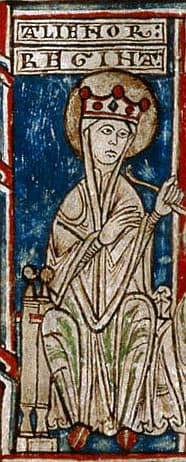
Alfonso VIII of Castile
Emperor · Medieval
61.0Total
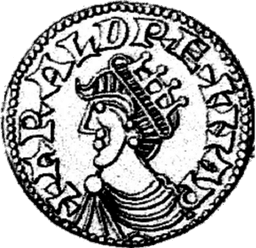
Harald Hardrada
Emperor · Medieval
58.7Total
Basic Information
Born
1155
1015
Died
1214
1066
Era
Medieval
Medieval
Nationality
Castile
Norway
Occupation
Emperor
Emperor
Civilization
Western
Western
Score Comparison
Military (10%)
60.0
67.3
Political (20%)
72.0
48.0
Influence (20%)
56.7
60.0
Legacy (20%)
55.0
54.0
Leadership (15%)
68.0
64.0
Strategy (15%)
61.2
66.3
TOTAL
61.0
58.7
Alfonso VIII of Castile — Complete Timeline
1170 AD
Marriage to Eleanor of EnglandPolitical Action
Alfonso VIII married Eleanor of England, daughter of Henry II and Eleanor of Aquitaine. This marriage brought Castile into the Plantagenet sphere of influence and produced several children who married into other European royal houses.
MarriageAllianceCastile
Impact: regionalconstructive
1195 AD
Battle of AlarcosWar◆ Major
Alfonso VIII's Castilian army was decisively defeated by the Almohad Caliph Abu Yusuf Yaqub al-Mansur at Alarcos. The defeat led to the loss of several frontier fortresses and a period of Almohad dominance in Iberia.
ReconquistaBattleDefeat
Impact: regionaltragic
1208 AD
Founding of the University of PalenciaCultural◆ Major
Alfonso VIII founded the University of Palencia, one of the first universities in Europe. The institution attracted scholars from across Europe and promoted the study of theology, law, and the liberal arts in Castile.
EducationUniversityCulture
Impact: regionalconstructive
1212 AD
Battle of Las Navas de TolosaWar
Alfonso VIII led a coalition of Castilian, Aragonese, Navarrese, and Portuguese forces to a decisive victory over the Almohad Caliph Muhammad al-Nasir at Las Navas de Tolosa. This battle broke Almohad power in Iberia and opened the way for the Christian reconquest of Andalusia.
ReconquistaBattleTurning Point
Impact: regionalconstructive
Harald Hardrada — Complete Timeline
1030 AD
Fought at the Battle of StiklestadWar◆ Major
Harald Hardrada fought at the Battle of Stiklestad at age 15, supporting his half-brother Olaf II. The battle ended in defeat and Olaf's death, forcing Harald into exile. This event shaped his later ambition to reclaim power in Norway.
BattleExileNorway
Impact: regionaltragic
1034 AD
Served as a mercenary in the Varangian GuardWar◆ Major
After Stiklestad, Harald Hardrada traveled to Constantinople and served as a commander in the Varangian Guard of the Byzantine Empire. He fought in campaigns in the Mediterranean, Sicily, and the Balkans, amassing wealth and military experience.
MercenaryByzantine EmpireVarangian Guard
Impact: regional
1046 AD
Became King of NorwayPolitical Action◆ Major
Harald Hardrada returned to Scandinavia and claimed the Norwegian throne, initially co-ruling with Magnus the Good. After Magnus's death in 1047, Harald became sole king of Norway, ruling until 1066. His reign was marked by centralization and conflict with Denmark.
CoronationNorwayKingship
Impact: regional
1048 AD
Invaded DenmarkWar◆ Major
Harald Hardrada launched a prolonged war against Sweyn Estridsson of Denmark, seeking to reclaim the Danish throne. The conflict lasted for years with raids and battles, but Harald failed to conquer Denmark, eventually making peace in 1064.
InvasionDenmarkWar
Impact: regional
1066 AD
Invaded England and was killed at the Battle of Stamford BridgeWar
Harald Hardrada invaded England in September 1066, claiming the English throne. He was defeated and killed by King Harold Godwinson's forces at the Battle of Stamford Bridge. His death marked the end of the Viking Age and the last major Viking invasion of England.
BattleViking AgeEngland
Impact: regionaltragic
Expert Analysis
Origins
Alfonso VIII of Castile (born 1155) was the son of Sancho III of Castile and Blanche of Navarre. Orphaned at age three, he spent his early years under the regency of the Lara family, who exploited the power vacuum. His childhood was marked by political instability and noble infighting, which shaped his later determination to centralize royal authority. He was educated in the chivalric and religious traditions of medieval Iberia, with a focus on military training and governance.
Harald Hardrada (born c. 1015) was the half-brother of King Olaf II of Norway. At age 15, he fought at the Battle of Stiklestad (1030), where Olaf was killed. Forced into exile, Harald fled to Kievan Rus' and later to Constantinople. His early life was defined by violence and displacement, forging a warrior identity that would make him the archetypal Viking king. Unlike Alfonso, Harald grew up not in a court but in the crucible of battle and mercenary service.
Rise to Power
Alfonso VIII's rise was gradual and fraught with challenges. He was proclaimed king in 1158 at age three, but effective power was contested by noble factions. In 1166, at age 11, he was kidnapped by the Lara family, who sought to control him. He assumed personal rule in 1169, but it took years to assert authority. His turning point came in 1177 with the conquest of Cuenca, a fortified city that demonstrated his military capability and expanded Castilian territory. By the 1180s, he had stabilized the kingdom and formed alliances through marriage to Eleanor of England in 1170, linking Castile to the powerful Plantagenet dynasty.
Harald Hardrada's rise was more direct and violent. After Stiklestad, he served as a mercenary in the Varangian Guard of the Byzantine Empire, fighting campaigns in Sicily, Bulgaria, and the Holy Land. He amassed significant wealth and military reputation. In 1042, he returned to Scandinavia, claiming the Norwegian throne. He initially co-ruled with his nephew Magnus the Good, but after Magnus's death in 1047, Harald became sole king. He then spent years warring against Sweyn Estridsson of Denmark (1048-1064), seeking to reclaim the Danish crown, but failed to secure a decisive victory. His ambition drove him to invade England in 1066, claiming the throne based on a disputed agreement with Harthacnut.
Leadership & Governance
Alfonso VIII governed through a combination of feudal loyalty and institutional innovation. He chartered the University of Palencia in 1208, one of Europe's earliest universities, attracting scholars from across the continent. This fostered administrative and legal expertise. He also strengthened the Castilian monarchy by curbing noble power, granting fueros (charters) to towns to gain their support, and promoting the Reconquista as a unifying cause. His leadership was collaborative: at Las Navas de Tolosa (1212), he coordinated a coalition of Castile, Aragon, Navarre, and Portugal, securing papal support. His political score of 72.0 reflects his ability to build alliances and institutions.
Harald Hardrada ruled as a warrior-king, relying on personal charisma and military force. He centralized royal authority in Norway by suppressing internal opposition and rewarding loyal followers with land. He minted coins and promoted trade, but his governance was secondary to his military campaigns. His political score of 48.0 indicates a more autocratic and less institution-building style. Unlike Alfonso, he did not foster lasting administrative structures; his rule was defined by constant warfare. His leadership score of 64.0 is competitive with Alfonso's 68.0, but his strategic focus on conquest rather than consolidation limited his governance impact.
Triumph & Tragedy
Alfonso VIII's greatest triumph was the Battle of Las Navas de Tolosa (1212), where his coalition decisively defeated the Almohad Caliph Muhammad al-Nasir. This victory broke Almohad power in Iberia and opened the way for Christian conquests in the 13th century. His founding of the University of Palencia also stands as a lasting achievement. However, his career was marred by the disaster at Alarcos (1195), where his army was crushed by the Almohads, losing several frontier fortresses. This defeat set back the Reconquista by nearly two decades and exposed his overconfidence. His military score of 60.0 reflects this mixed record: a major victory but also a catastrophic loss.
Harald Hardrada's triumphs include his service in the Varangian Guard, where he fought in 18 battles and amassed immense wealth, and his successful conquest of Norway. He also forced Sweyn Estridsson to recognize his rule over part of Denmark. His tragedy is his death at Stamford Bridge (1066), where his invasion of England ended in defeat. His strategic miscalculation—leaving his fleet and marching inland without proper reconnaissance—led to his army being caught off guard by Harold Godwinson. His military score of 67.3 is higher than Alfonso's, but his political and legacy scores are lower, reflecting the ephemeral nature of his achievements.
Character & Destiny
Alfonso VIII was pragmatic and resilient. After Alarcos, he learned from defeat, rebuilding his army and forging alliances. He was patient, waiting 17 years for revenge at Las Navas. His character was shaped by the instability of his youth, making him cautious in governance but bold in war. Historians note his piety and sense of duty, which aligned with the Reconquista ideology. His destiny was to be remembered as a crusader king who turned the tide against the Almohads.
Harald Hardrada was ambitious and fearless, but also reckless. His life as a mercenary instilled a warrior ethos that prioritized glory over strategy. He was known for his cunning in battle but also for his greed and ruthlessness. His decision to invade England in 1066, despite limited support and a risky sea crossing, reflects his overweening ambition. His destiny was to become the last great Viking king, whose death marked the end of the Viking Age. Historical assessments often contrast his tactical brilliance with strategic shortsightedness.
Legacy
Alfonso VIII's legacy is enduring. Las Navas de Tolosa is considered a turning point in the Reconquista, enabling later conquests by Ferdinand III. The University of Palencia, though short-lived, set a precedent for higher education in Spain. His legal and administrative reforms strengthened the Castilian monarchy, laying groundwork for future unification. He scored 55.0 in legacy, reflecting his role in shaping medieval Spain.
Harald Hardrada's legacy is more symbolic. He is remembered as the archetypal Viking king, whose death at Stamford Bridge ended the Viking Age. His campaigns influenced Scandinavian history, but his impact on Europe was limited. His legacy score of 54.0 is similar to Alfonso's, but his influence is more cultural than political. The battle of Stamford Bridge weakened both his army and Harold Godwinson's, contributing to William the Conqueror's victory at Hastings.
Conclusion
Alfonso VIII had a greater impact on history than Harald Hardrada. His victory at Las Navas de Tolosa fundamentally altered the course of the Reconquista, shaping the future of Spain and Europe. His political and institutional achievements, scoring 72.0 and 68.0 respectively, contrast with Harald's lower scores of 48.0 and 64.0. While Harald's military score (67.3) edges Alfonso's (60.0), his overall total (58.7) falls short of Alfonso's 61.0. Alfonso's legacy is tangible in the institutions he fostered and the territorial expansion he enabled, whereas Harald's death marked an end rather than a beginning. Therefore, Alfonso VIII of Castile holds the higher historical significance.
Rankings
🥇
Alfonso VIII of CastileLeader
Mil: 60.0Pol: 72.0Inf: 56.7
61.0
🥈
Harald Hardrada
Mil: 67.3Pol: 48.0Inf: 60.0
58.7
+2.3 behind
How This Comparison Works
Algorithm
Each figure is scored on 6 dimensions (0—100 scale) based on structured historical data: Military (10%), Political (20%), Influence (20%), Legacy (20%), Leadership (15%), Strategy (15%). The weighted total produces the final ranking.
Data Sources
Scores are computed from structured sub-indicators in the database. Scale factors adjust for era (Ancient ×0.85, Modern ×1.0) and civilization size (Eastern ×1.05, Other ×0.80) to account for differences in population and military scale.
Maximum 3 Figures
Comparisons are limited to 2—3 figures to ensure readability and statistical meaningfulness.
Error Margins
±5 points per dimension — Sub-scores are derived from historical records with inherent uncertainty. Two figures within 5 points on a dimension should be considered roughly equivalent in that area.
Total Score Accuracy
±3 points overall — The weighted combination of 6 dimensions produces a total score with approximately ±3 points of uncertainty. Differences of less than 3 points are not statistically significant— the figures are effectively tied.
Known Limitations
- Historical records are incomplete and uneven across civilizations
- Figures from oral-tradition societies may be underrepresented
- Occupation labels can misclassify multi-role figures
- Scores measure capability and impact, not moral character
- Quantitative scoring is a comparison tool, not absolute truth
Capability Radar
Military (10%) — Battles & Warfare
Battles
65
75
Win Rate
50
70
Expansion
55
70
Political (20%) — Governance & Reform
Reform
65
40
Diplomacy
75
50
Economy
60
45
Influence (20%) — Cultural & Global Reach
Cultural
60
55
Global
65
45
Legacy (20%) — Historical Impact
Historical
75
65
Longevity
70
50
Leadership (15%) — Power & Stability
Tenure
70
55
Stability
55
40
Strategy (15%) — Tactics & Innovation
Strategy
75
75
Tactics
70
80
Reform
60
60
Similar Comparisons
Comments & Discussion
No comments yet. Be the first to share your thoughts!