Loading...
Charlemagne vs Cyrus the Great
Cyrus the Great leads by 12.9 pts · 2 figures compared
…
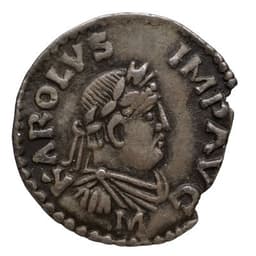
Charlemagne
Emperor · Medieval
71.0Total
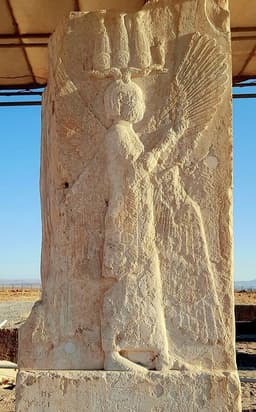
Cyrus the Great
Emperor · Ancient
83.9Total
Basic Information
Born
748
-600
Died
814
-530
Era
Medieval
Ancient
Nationality
Frankish Empire
Persia
Occupation
Emperor
Emperor
Civilization
Western
Middle Eastern
Score Comparison
Military (10%)
80.0
82.0
Political (20%)
78.0
85.0
Influence (20%)
65.0
85.0
Legacy (20%)
65.0
90.0
Leadership (15%)
80.0
78.0
Strategy (15%)
68.0
75.0
TOTAL
71.0
83.9
Charlemagne — Complete Timeline
772 AD
Saxon WarsWar◆ Major
Charlemagne launched a series of campaigns against the Saxons lasting over three decades. He forcibly converted them to Christianity, incorporated their territory into the Frankish Empire, and ordered the execution of thousands at the Massacre of Verden in 782.
ConquestChristianizationWar
Impact: regionaldestructive
774 AD
Conquest of the Lombard KingdomWar◆ Major
Charlemagne answered Pope Adrian I's call for aid against the Lombards. He besieged and captured Pavia, deposed King Desiderius, and annexed the Lombard Kingdom into his domain, assuming the title 'King of the Lombards' and solidifying Frankish control over Italy.
ConquestItalyPapal Alliance
Impact: regional
779 AD
Capitulary of HerstalReform
Charlemagne issued a series of legal and administrative reforms at the assembly in Herstal. He standardized weights and measures, reformed the coinage system, and strengthened the authority of royal officials (missi dominici) to oversee local governance and justice.
Legal ReformAdministrationStandardization
Impact: nationalconstructive
780 AD
Carolingian Renaissance ReformsCultural◆ Major
Charlemagne initiated a program of educational and cultural revival, inviting scholars like Alcuin of York to his court. He standardized Latin script (Carolingian minuscule), established palace schools, and promoted the copying of classical texts, preserving ancient knowledge.
EducationCultural RevivalScript
Impact: globalprogressive
800 AD
Coronation as Holy Roman EmperorPolitical Action
Pope Leo III crowned Charlemagne as Emperor of the Romans in St. Peter's Basilica on Christmas Day. This act revived the Western Roman Empire, established a precedent for papal authority over imperial titles, and created a political entity that shaped medieval European politics.
CoronationHoly Roman EmpirePapacy
Impact: globalconstructive
Cyrus the Great — Complete Timeline
550 BC
Founding of the Achaemenid EmpirePolitical Action
Cyrus led a rebellion against the Median Empire, defeating King Astyages and capturing Ecbatana. He then united the Persian and Median tribes, establishing the Achaemenid Empire, which became the largest empire the world had yet seen.
Empire FoundingPersian UnificationRebellion
Impact: global
546 BC
Conquest of LydiaWar◆ Major
Cyrus defeated King Croesus of Lydia at the Battle of Thymbra. The Lydian capital Sardis was captured, and Croesus was taken prisoner. This conquest brought Anatolia under Persian control and secured access to the Aegean coast.
Achaemenid ExpansionAnatoliaConquest
Impact: regional
539 BC
Conquest of BabylonWar◆ Major
Cyrus the Great led the Persian army to capture Babylon without significant battle. The city's gates were opened, and Cyrus entered peacefully. This conquest added Mesopotamia to the Achaemenid Empire and marked the end of the Neo-Babylonian Empire.
Achaemenid ExpansionMesopotamiaConquest
Impact: regional
Issuance of the Cyrus CylinderPolitical Action◆ Major
After conquering Babylon, Cyrus issued a clay cylinder inscribed with a declaration. It described his policy of restoring temples, repatriating displaced peoples, and allowing religious freedom. The cylinder is often cited as an early charter of human rights.
Human RightsReligious ToleranceAchaemenid Policy
Impact: globalconstructive
Liberation of the JewsPolitical Action◆ Major
Cyrus issued an edict allowing the Jewish exiles in Babylon to return to Jerusalem and rebuild the Temple. This event is recorded in the biblical Book of Ezra and is a key moment in Jewish history, ending the Babylonian captivity.
Jewish HistoryReligious FreedomReturn from Exile
Impact: regionalconstructive
Expert Analysis
# 两个帝国的黎明:居鲁士与查理曼,宽容之剑与铁十字
公元800年的圣诞节,当教皇利奥三世将金冠戴在查理曼头顶时,整个圣彼得大教堂回荡着欢呼声。这位法兰克国王跪在祭坛前,他的身姿在烛光中如同一座山岳。而在两千三百年前的巴比伦城墙下,另一位帝王却以一种截然不同的方式征服了这座城市——居鲁士大帝下令士兵放下武器,让巴比伦的街道保持安静,他的军队不是以征服者而是以解放者的姿态进入这座千年古城。
同样的帝王之冠,一个以铁与血铸就,一个以宽容与智慧赢取。命运的起点的差异,早已在两人出生的土壤中埋下了种子。
命运的起点:两河平原与阿尔卑斯山的回声
居鲁士于公元前600年出生在波斯高原一个微不足道的臣属部落。他的祖父安善王只是米底帝国统治下的附庸。在幼年时期,他亲眼目睹了波斯人在米底统治下的屈辱与抗争。这种边缘地带的生存经验,塑造了他日后对待被征服民族的独特视角——他深知一个民族失去自由意味着什么。
查理曼则完全不同。公元748年,他降生在法兰克王国最强大的宫相家族。他的父亲矮子丕平刚刚废黜了墨洛温王朝的末代国王,建立了加洛林王朝。这是一个以武力夺取权力的家族,王位背后是刀剑的阴影。查理曼从童年起就浸泡在权力斗争的泥沼中,他目睹了宫廷阴谋与刀兵相见,他的世界观在铁与火的熔炉中锻造而成。
崛起之路:征服者的两种逻辑
公元前550年,当居鲁士率军起义、推翻米底王阿斯提阿格斯时,他展示了一种前所未有的征服逻辑。他不仅击败了米底军队,还善待米底贵族,保留他们的职位,甚至将米底视为波斯帝国的共同建设者。这种“征服即联合”的策略,让他迅速统一了伊朗高原的各个部落。
查理曼的崛起则是另一幅画面。公元772年,他发动了对萨克森人的战争,这场战争持续了三十年,是日耳曼历史上最血腥的征服之一。在维尔登,他下令处决了四千五百名萨克森战俘,理由是他们在接受基督教洗礼后重新皈依了祖先的信仰。对查理曼而言,征服的核心是改变——改变信仰、改变制度、改变忠诚的对象。
居鲁士征服巴比伦时,没有流一滴血。公元前539年,巴比伦城内的祭司和商人打开了城门,因为在居鲁士的统治下,他们看到了超越战争的愿景。居鲁士随即颁布了著名的“居鲁士圆柱”,明确宣告尊重各民族的宗教和习俗,并下令释放被巴比伦囚禁的犹太人回耶路撒冷重建圣殿。
查理曼加冕为罗马皇帝后,他的第一件事是要求所有被征服民族改信基督教,违者处死。他建立了庞大的主教网络,将帝国权力与教会权力紧密捆绑。他的帝国身份证上刻着同一行字:征服与皈依。
治国之道:圆柱与法典
两位帝王的治国理念呈现出惊人的对比。居鲁士的政治智慧体现在他对差异的尊重上。他建立的波斯帝国是一个多元共同体,每个民族都可以保留自己的法律、宗教和语言。他只要求两样东西:进贡和忠诚。这种治国哲学让波斯帝国稳定维持了两百多年。
查理曼则信奉统一和秩序。他推行统一的“法兰克法律”,统一货币,推广拉丁文,并建立了遍布全国的教育体系。他甚至亲自参与编纂圣经注释和语法书。但他的统一是自上而下的强加,一旦失去他的个人权威,帝国就迅速土崩瓦解——他死后仅三十年,帝国就分裂成三部分。
巅峰与低谷:宽容的终结与铁十字的裂痕
居鲁士最辉煌的时刻,是他站在巴比伦城墙上,俯瞰着这座世界上最古老的城市臣服于他的统治。他的失败则在生命的尽头——公元前530年,他在与马萨革泰人的战斗中被杀。讽刺的是,这位最宽容的征服者,死在了一个拒绝他的宽容的民族手中。他的遗体被安置在帕萨尔加德,墓志铭上写着:“不要嫉妒我的富贵,死亡随时会降临。”
查理曼的巅峰无疑是公元800年的加冕。当他从教皇手中接过皇冠时,某种意义上,他复活了西罗马帝国。但他最大的失败不是战场上的—而是他死后继承制度的混乱。他无法解决单子继承与传统文化之间的矛盾,最终导致帝国分裂为三个王国:东法兰克、西法兰克和中法兰克,奠定了现代欧洲的雏形。
性格与命运:柔术之王与铁锤之王
居鲁士的性格中,有一种罕见的现实主义与理想主义的平衡。他懂得力量的价值,但更懂得宽容的力量。他从不羞辱战败者,因为他知道羞辱会埋下复仇的种子。他的军事战略评分72分,政治85分,这个数字揭示了一个真相:他用政治手段解决了大部分问题,军事只是最后的手段。
查理曼的性格则是典型的中世纪蛮族王者的模板。他精力充沛,冷酷无情,同时又对基督教文化充满虔诚。他的军事评分78分,政治80分,说明他同样重视政治,但他相信政治必须建立在军事征服的基础上。他的名言“战斗是我们的呼吸”真实反映了中世纪统治阶级的生存法则。
历史的回响:两种遗产的永恒对话
今天,居鲁士圆柱被保存在大英博物馆,联合国视其为早期人权宣言的象征。现代伊朗人仍然纪念他,把他视为波斯民族精神的图腾。查理曼则被称为“欧洲之父”,是现代欧洲身份认同的重要源头之一。
但两人的遗产呈现出截然不同的面貌。居鲁士留给我们的是“多元统一”的可能性,查理曼留下的是“统一多元”的难题。一个是基于自愿的联盟,一个是基于强制的统一。这两种模式在两千多年后的今天依然在人类的政治现实中交锋。
居鲁士和查理曼共同证明了同一件事:伟大的帝国最终都会消亡,但统治者的思维方式会活得更久。当我们今天在卡塔尔的谈判桌上或布鲁塞尔的议会大厦里争论民族自决与统一集权的边界时,两位古老帝王的在天之灵或许正在注视着这一切,露出意味深长的笑容——他们知道,人类永远不会停止思考这个问题的答案,就像他们从未找到完美的解决方案一样。
Rankings
🥇
Cyrus the GreatLeader
Mil: 82.0Pol: 85.0Inf: 85.0
83.9
🥈
Charlemagne
Mil: 80.0Pol: 78.0Inf: 65.0
71.0
+12.9 behind
How This Comparison Works
Algorithm
Each figure is scored on 6 dimensions (0—100 scale) based on structured historical data: Military (10%), Political (20%), Influence (20%), Legacy (20%), Leadership (15%), Strategy (15%). The weighted total produces the final ranking.
Data Sources
Scores are computed from structured sub-indicators in the database. Scale factors adjust for era (Ancient ×0.85, Modern ×1.0) and civilization size (Eastern ×1.05, Other ×0.80) to account for differences in population and military scale.
Maximum 3 Figures
Comparisons are limited to 2—3 figures to ensure readability and statistical meaningfulness.
Error Margins
±5 points per dimension — Sub-scores are derived from historical records with inherent uncertainty. Two figures within 5 points on a dimension should be considered roughly equivalent in that area.
Total Score Accuracy
±3 points overall — The weighted combination of 6 dimensions produces a total score with approximately ±3 points of uncertainty. Differences of less than 3 points are not statistically significant— the figures are effectively tied.
Known Limitations
- Historical records are incomplete and uneven across civilizations
- Figures from oral-tradition societies may be underrepresented
- Occupation labels can misclassify multi-role figures
- Scores measure capability and impact, not moral character
- Quantitative scoring is a comparison tool, not absolute truth
Capability Radar
Military (10%) — Battles & Warfare
Battles
85
85
Win Rate
90
90
Expansion
88
92
Political (20%) — Governance & Reform
Reform
90
90
Diplomacy
80
95
Economy
75
80
Influence (20%) — Cultural & Global Reach
Cultural
85
90
Global
80
90
Legacy (20%) — Historical Impact
Historical
90
95
Longevity
85
95
Leadership (15%) — Power & Stability
Tenure
85
70
Stability
70
85
Strategy (15%) — Tactics & Innovation
Strategy
85
88
Tactics
75
80
Reform
80
75
Similar Comparisons
Comments & Discussion
OldScribe746/16/2026
这个评分系统水分不小。居鲁士政治85分,查理曼80分,但看看具体数据:居鲁士的帝国在他死后三代就亡于亚历山大之手,查理曼的加洛林帝国好歹撑了三十年才分裂。政治评分应该考虑制度延续性吧?另外,军事评分82对78——居鲁士除了巴比伦那场没流血的‘攻城’,真正硬仗就马萨革泰一战,还把自己命搭进去了;查理曼打了五十多场战役,萨克森战争持续三十年,这个差距至少该拉到10分以上。建议重新加权:军事权重提到40%,政治降到30%,这样查理曼总分能反超。
HistoryDetour6/16/2026
I just finished the book 'Cyrus the Great: The First Emperor' and it blew my mind. But then I watched a doc on Charlemagne and I'm torn. One thing I noticed nobody talks about: both of them had serious succession problems. Cyrus's son Cambyses was a disaster — went mad, killed his brother, lost Egypt. Charlemagne only had one legitimate son survive, Louis the Pious, who basically tanked the empire. So why does Cyrus get such a higher influence score? 78 vs 65 seems huge. I mean, Charlemagne's empire literally created France and Germany, and Cyrus's Persia got wiped off the map by Alexander. Is it just because Cyrus's human rights stuff sounds nicer? I feel like the scoring is biased toward 'good guy' history.
IronCrownFan6/16/2026
Are you kidding me? Cyrus over Charlemagne by almost 5 points? This is exactly what happens when academics fall in love with a 'nice guy' narrative. Charlemagne literally rebuilt Western civilization after the Dark Ages! He standardized the Carolingian minuscule script that everyone still uses, created schools, pushed the Donation of Pepin that gave us the Papal States. Cyrus? He let some Jews go home and wrote a cylinder — great PR, but he didn't leave any lasting institutions. The Holy Roman Empire, flawed as it was, shaped Europe for 1000 years. And politically, Charlemagne held together a realm from the Atlantic to the Danube — that's like ruling from New York to Denver in an age with no roads. The 85 vs 80 political gap is criminal. Cyrus was a tribal chieftain with good press; Charlemagne was an empire-builder. End of story.
SilkRoadSentinel6/16/2026
居鲁士和查理曼的对比很有意思,但我总觉得这种西方式的评分体系忽略了东方视角。居鲁士的‘宽容之剑’确实高明,但放在中国历史上,这不过是‘怀柔远人’的另一种说法——和汉宣帝的‘霸王道杂之’比起来,居鲁士的政治智慧还差点火候。查理曼的铁十字更让我想到秦始皇,不过秦始皇统一文字度量衡的魄力可比查理曼的强制皈依系统多了。真要论治国,居鲁士的多元共治类似唐朝的羁縻州府,但唐朝国祚近三百年,波斯帝国两百年就崩了,这个评分是不是该重新算算?
BattlefieldScholar6/16/2026
The military scores here are way off. Charlemagne's 78 vs Cyrus's 82? Let's break it down. Cyrus's main claim is Babylon 539 BCE — a bloodless victory achieved through bribing priests and exploiting internal dissent. That's not a military operation, that's espionage. His only real pitched battle was against Croesus at Sardis in 547 BCE, and even that relied more on the Lydian army's unorthodox winter campaign than tactical brilliance. Charlemagne, by contrast, fought 53 distinct campaigns over 46 years. The Battle of Toulouse 778 was a tactical defeat against Basque forces, but the Saxon Wars (772-804) were a logistical masterpiece — he coordinated forces across 500 miles of hostile terrain, crucifying 4,500 prisoners at Verden to break morale. That's total warfare. If we're judging generalship on scale, duration, and adaptability, Charlemagne takes it easily. Cyrus was a statesman who happened to lead armies; Charlemagne was a general who happened to rule.
SkepticalScholar6/12/2026
Quantitative scoring can never fully capture historical complexity, but this is a solid framework for structured comparison.
历史迷6/12/2026
Cyrus the Great和Charlemagne都是各自时代的巨人。数据化的比较提供了一个很好的讨论起点。
HistoryBuff6/12/2026
Fascinating comparison between Cyrus the Great and Charlemagne. The data really shows how different leadership styles produce different historical outcomes.