Loading...
Firuz Shah Tughlaq vs Theudebert I
Firuz Shah Tughlaq leads by 2.2 pts · 2 figures compared
…
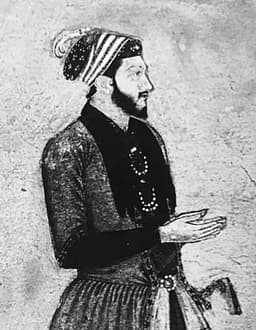
Firuz Shah Tughlaq
Emperor · Medieval
55.3Total
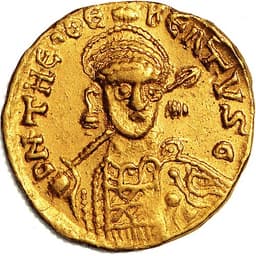
Theudebert I
Emperor · Medieval
53.1Total
Basic Information
Born
1309
500
Died
1388
548
Era
Medieval
Medieval
Nationality
India
Frankish Empire
Occupation
Emperor
Emperor
Civilization
Indian
Western
Score Comparison
Military (10%)
45.0
30.0
Political (20%)
72.0
61.3
Influence (20%)
56.4
51.8
Legacy (20%)
47.5
43.3
Leadership (15%)
68.0
74.0
Strategy (15%)
38.6
60.0
TOTAL
55.3
53.1
Firuz Shah Tughlaq — Complete Timeline
1354 AD
Construction of the Firuz Shah KotlaCultural◆ Major
Firuz Shah Tughlaq founded the city of Firuzabad and built the Firuz Shah Kotla fortress in Delhi. The complex included a palace, a mosque, and a pillar of Ashoka brought from Topra. It became a major administrative center.
Fort BuildingUrban PlanningArchitecture
constructive
1355 AD
Establishment of the Diwan-i-KhairatReform
Firuz Shah Tughlaq established the Diwan-i-Khairat, a department for charity and welfare. It provided financial assistance to the poor, widows, and orphans. This institutionalized state-sponsored social welfare in the Delhi Sultanate.
WelfareSocial ReformAdministration
Impact: nationalconstructive
1360 AD
Construction of Canals and Irrigation SystemsReform◆ Major
Firuz Shah Tughlaq oversaw the construction of five major canals from the Yamuna and Sutlej rivers to irrigate fields in the Delhi region. These canals improved agricultural productivity and reduced famine risk. They were a key public works achievement.
IrrigationAgriculturePublic Works
Impact: regionalconstructive
1365 AD
Imposition of Jizya on BrahminsPolitical Action◆ Major
Firuz Shah Tughlaq imposed the jizya tax on Brahmins, who had previously been exempt. This policy was based on his interpretation of Islamic law and caused resentment among Hindus. It marked a departure from earlier, more tolerant policies.
TaxationReligious PolicyHindu-Muslim Relations
Impact: nationaldestructive
Theudebert I — Complete Timeline
534 AD
Minting of Gold Coins in His Own NamePolitical Action◆ Major
Theudebert I issued gold solidi bearing his own name and image, a direct challenge to Byzantine imperial authority. This act asserted Frankish sovereignty and independence from the Eastern Roman Empire, marking a shift in Merovingian coinage.
MerovingianCoinageByzantine
Impact: regionalconstructive
536 AD
Expansion into Raetia and NoricumWar
Theudebert I extended Frankish control into the Roman provinces of Raetia and Noricum (modern Switzerland and Austria). This expansion brought the Franks into direct contact with the Lombards and Bavarians, increasing Theudebert's influence in Central Europe.
MerovingianExpansionAlps
Impact: regional
539 AD
Campaign in ItalyWar◆ Major
Theudebert I led a Frankish army into Italy during the Gothic War, plundering Liguria and the Po Valley. His forces defeated both Byzantine and Ostrogothic armies, but a plague among his troops forced him to withdraw. The campaign demonstrated Frankish military power.
MerovingianItalyGothic War
Impact: regionaldestructive
540 AD
Letter to Emperor JustinianPolitical Action
Theudebert I wrote a letter to Byzantine Emperor Justinian I, boasting of his conquests and claiming dominion over many peoples. The letter, preserved in historical records, reveals Theudebert's ambition to be seen as an equal to the Roman emperor.
MerovingianDiplomacyByzantine
Impact: regional
Expert Analysis
Origins
Firuz Shah Tughlaq was born in 1309 in the Delhi Sultanate, the son of a Rajput mother and a Turkic father. His cousin, Sultan Muhammad bin Tughlaq, raised him and appointed him as a governor. Firuz received education in Islamic theology and administrative practices. Theudebert I was born around 500 in the Frankish kingdom, the son of King Theuderic I of Austrasia. He was raised as a Merovingian prince, trained in military and governance from a young age. His grandfather was Clovis I, the founder of the Frankish Empire. Both came from royal lineages but Firuz's path was through courtly favor, while Theudebert inherited a kingdom.
Rise to Power
Firuz Shah Tughlaq rose to power in 1351 after the death of Muhammad bin Tughlaq, who had alienated many nobles and subjects. The nobility and theologians chose Firuz, then 42, as the new sultan, expecting a return to orthodoxy and stability. He accepted the throne at Thatta after a brief succession crisis. Theudebert I became king of Austrasia upon his father's death in 533. He immediately faced challenges from his uncles, including Childebert I and Clotaire I, who sought to divide his inheritance. Theudebert asserted his independence by forming alliances and expanding his territory, notably by invading Italy in 539 during the Gothic War. His rise was marked by military aggression and diplomatic maneuvering.
Leadership & Governance
Firuz Shah Tughlaq's leadership focused on public welfare and religious orthodoxy. He constructed five major canals from the Yamuna and Sutlej rivers, irrigating fields around Delhi. He founded the city of Firuzabad and built the Firuz Shah Kotla fortress, which included a palace, mosque, and a famous Ashokan pillar. He established the Diwan-i-Khairat, a department for charity, providing aid to the poor, widows, and orphans. However, his imposition of jizya on Brahmins, who had previously been exempt, alienated Hindu subjects and increased religious tensions. His military score of 45.0 reflects his preference for peace over expansion; he led only one major campaign, against Thatta, which failed. Theudebert I governed by expanding Frankish power. He minted gold solidi with his own image, challenging Byzantine authority—a political score of 61.3. He led campaigns into Raetia and Noricum, extending Frankish control into modern Switzerland and Austria. His letter to Emperor Justinian I boasted of his conquests. His leadership score of 74.0 indicates effective command, but his military score of 30.0 suggests limited strategic depth; his Italian campaign was more plunder than conquest. Both rulers prioritized stability, but Firuz through infrastructure, Theudebert through assertion of sovereignty.
Triumph & Tragedy
Firuz's greatest triumph was his public works: the canals and Firuz Shah Kotla remain landmarks. His irrigation systems boosted agriculture for decades. However, his failure to expand the Sultanate's borders and the costly imposition of jizya weakened his realm. The disastrous campaign against Thatta in 1353 wasted resources and ended in retreat. Theudebert's triumph was minting coins in his own name, a bold assertion of independence that influenced later Frankish kings. His Italian campaign, though short-lived, demonstrated Frankish military might. Yet his overreach—claiming dominion over many peoples in his letter to Justinian—provoked Byzantine enmity without lasting gains. His early death in 548 left his son Theudebald as a minor, leading to a decline in Austrasian power.
Character & Destiny
Firuz was pious and benevolent, but his religious conservatism led to persecution of non-Muslims. His decision to impose jizya on Brahmins was based on his interpretation of Islamic law, reflecting a rigid character. His reliance on advisors and reluctance to wage war contributed to a stable but stagnant reign. Theudebert was ambitious and assertive, willing to challenge the Byzantine Empire. His coinage and letter reveal a king eager for recognition. However, his early death prevented consolidation of his gains. Both men's characters shaped their fates: Firuz's caution led to internal development but external weakness; Theudebert's boldness achieved symbolic victories but lacked sustainability.
Legacy
Firuz Shah Tughlaq's legacy is tangible: the canals and the Firuz Shah Kotla still stand. His welfare institutions set a precedent for state charity in India. However, his religious policies contributed to the decline of the Tughlaq dynasty, as discontent grew among Hindus. His legacy score of 47.5 reflects mixed long-term impact. Theudebert I's legacy is more symbolic: his gold coins are early examples of Germanic sovereignty, and his letter to Justinian is a historical document. But his kingdom fragmented after his death. His legacy score of 43.3 indicates limited enduring influence. In terms of total scores, Firuz edges ahead with 55.3 vs Theudebert's 53.1, but the gap is narrow.
Conclusion
Firuz Shah Tughlaq had greater overall impact due to his enduring public works and institutional reforms. While Theudebert I asserted Frankish independence and minted coins, his achievements were more ephemeral. Firuz's canals irrigated land for centuries, and his charity department influenced later Indian rulers. Theudebert's coinage was a diplomatic statement but not a systemic change. Thus, Firuz's legacy is more concrete and lasting, justifying his higher total score of 55.3 compared to Theudebert's 53.1.
Rankings
🥇
Firuz Shah TughlaqLeader
Mil: 45.0Pol: 72.0Inf: 56.4
55.3
🥈
Theudebert I
Mil: 30.0Pol: 61.3Inf: 51.8
53.1
+2.2 behind
How This Comparison Works
Algorithm
Each figure is scored on 6 dimensions (0—100 scale) based on structured historical data: Military (10%), Political (20%), Influence (20%), Legacy (20%), Leadership (15%), Strategy (15%). The weighted total produces the final ranking.
Data Sources
Scores are computed from structured sub-indicators in the database. Scale factors adjust for era (Ancient ×0.85, Modern ×1.0) and civilization size (Eastern ×1.05, Other ×0.80) to account for differences in population and military scale.
Maximum 3 Figures
Comparisons are limited to 2—3 figures to ensure readability and statistical meaningfulness.
Error Margins
±5 points per dimension — Sub-scores are derived from historical records with inherent uncertainty. Two figures within 5 points on a dimension should be considered roughly equivalent in that area.
Total Score Accuracy
±3 points overall — The weighted combination of 6 dimensions produces a total score with approximately ±3 points of uncertainty. Differences of less than 3 points are not statistically significant— the figures are effectively tied.
Known Limitations
- Historical records are incomplete and uneven across civilizations
- Figures from oral-tradition societies may be underrepresented
- Occupation labels can misclassify multi-role figures
- Scores measure capability and impact, not moral character
- Quantitative scoring is a comparison tool, not absolute truth
Capability Radar
Military (10%) — Battles & Warfare
Battles
30
35
Win Rate
35
40
Expansion
10
55
Political (20%) — Governance & Reform
Reform
75
40
Diplomacy
60
55
Economy
65
50
Influence (20%) — Cultural & Global Reach
Cultural
50
30
Global
30
20
Legacy (20%) — Historical Impact
Historical
45
35
Longevity
40
25
Leadership (15%) — Power & Stability
Tenure
70
60
Stability
55
45
Strategy (15%) — Tactics & Innovation
Strategy
20
50
Tactics
25
45
Reform
15
30
Similar Comparisons
Comments & Discussion
No comments yet. Be the first to share your thoughts!