Loading...
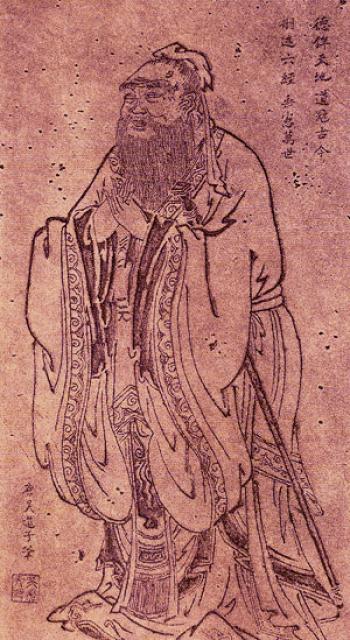
Confucius
AncientPhilosopherChina-551 — -479
中国古代伟大的思想家、教育家,儒家学派创始人。其思想对中国和东亚文化产生了深远影响。
Compare Confucius with another historical figure:
Quick Facts
Born
551 BCE
Died
479 BCE
Country
China
Era
Ancient
Occupation
Philosopher
Score Overview
Military (10%)9
Political (20%)35
Influence (20%)95
Legacy (20%)87
Leadership (15%)35
Strategy (15%)44
Total Score61.4
Confucius — Complete Timeline
501 BC
Appointment as Minister of Crime in LuPolitical Action
Confucius served as Minister of Crime in the state of Lu, where he implemented reforms to improve public order and justice. His tenure was short-lived due to political opposition, but it demonstrated his practical application of Confucian principles.
GovernmentReformLu
constructive
500 BC
Teaching Career in LuCultural
Confucius traveled through the state of Lu, teaching a group of disciples about ethics, ritual, and governance. He compiled and edited classical texts, including the Five Classics, and developed his philosophy centered on ren (benevolence) and li (ritual propriety).
TeachingPhilosophyConfucianism
Impact: globalconstructive
497 BC
Exile and Travels through Warring StatesPolitical Action◆ Major
After falling out of favor in Lu, Confucius went into voluntary exile, traveling to various states including Wei, Song, and Chen. He sought a ruler who would adopt his teachings, but was largely unsuccessful, spending 14 years wandering.
ExileTravelPhilosophy
Impact: regional
481 BC
Compilation of the Spring and Autumn AnnalsCultural◆ Major
Confucius is traditionally credited with compiling the Spring and Autumn Annals, a historical chronicle of the state of Lu. This work became a foundational text for Confucian historiography, emphasizing moral judgment in historical recording.
HistoriographyClassicsConfucianism
Impact: globalconstructive
479 BC
Death and Posthumous InfluenceCultural
Confucius died in Qufu, Lu, at age 72. His disciples compiled his teachings into the Analects, which later became the core text of Confucianism. Over centuries, his philosophy became the dominant ethical and political system in East Asia.
DeathLegacyConfucianism
Impact: globalconstructive
Detailed Scores
▶View all detailed scores
Military
Strategy
1
Tactics
1
Battles
1
Army Scale
1
War Impact
1
Political
Governance
3
Reform
3
Stability
3
Policy
3
Power
3
Influence
History
9
Global
9
Culture
9
Ideology
10
Legacy
9
People often compare with
See how Confucius stacks up against other historical figures