Loading...
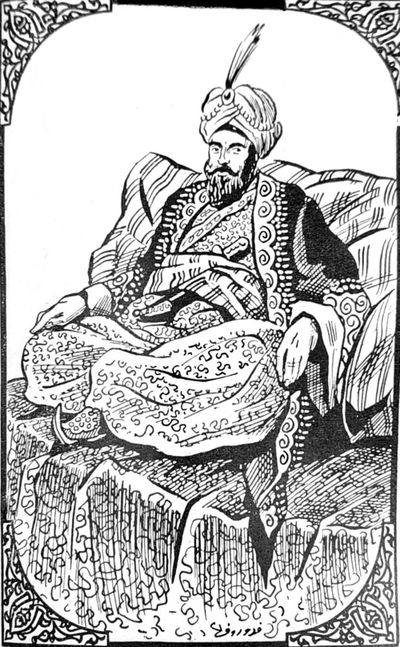
Harun al-Rashid
MedievalEmperorAbbasid Caliphate763 — 809
Abbasid caliph whose court inspired One Thousand and One Nights.
Compare Harun al-Rashid with another historical figure:
Quick Facts
Born
763
Died
809
Country
Abbasid Caliphate
Era
Medieval
Occupation
Emperor
Score Overview
Military (10%)73
Political (20%)70
Influence (20%)71
Legacy (20%)80
Leadership (15%)72
Strategy (15%)50
Total Score71.3
Harun al-Rashid — Complete Timeline
786 AD
Accession to the CaliphatePolitical Action◆ Major
Harun al-Rashid became the fifth Abbasid caliph after the death of his brother Al-Hadi. His reign marked the beginning of a period of cultural and economic flourishing, often considered the zenith of Abbasid power.
SuccessionCaliphateGolden Age
Impact: regionalconstructive
Patronage of the Arts and SciencesCultural◆ Major
Harun al-Rashid's court in Baghdad became a center of learning and culture, attracting poets, scholars, and musicians. His patronage fostered the development of Arabic literature, including the tales later compiled as One Thousand and One Nights.
CulturePatronageLiterature
Impact: globalconstructive
790 AD
Military Campaigns Against ByzantiumWar
Harun al-Rashid led several campaigns into Byzantine Anatolia, capturing fortresses and extracting tribute. These raids, though not resulting in permanent conquest, demonstrated Abbasid military strength and secured the frontier.
Byzantine WarsMilitary CampaignFrontier
Impact: regional
797 AD
Diplomatic Exchange with CharlemagnePolitical Action◆ Major
Harun al-Rashid sent an embassy to the Frankish emperor Charlemagne, including gifts such as an elephant named Abul-Abbas. This exchange established diplomatic relations between the Abbasid Caliphate and the Carolingian Empire, facilitating trade and cultural contact.
DiplomacyCharlemagneInternational Relations
Impact: globalconstructive
803 AD
Suppression of the BarmakidsPolitical Action◆ Major
Harun al-Rashid ordered the execution of the powerful Barmakid family, who had served as viziers for decades. This purge removed a major political faction and consolidated Harun's personal authority, but also disrupted the administration.
PurgeBarmakidsPower Struggle
Impact: regionaldestructive
Detailed Scores
▶View all detailed scores
Military
Strategy
7
Tactics
7
Battles
7
Army Scale
6
War Impact
7
Political
Governance
6
Reform
7
Stability
6
Policy
7
Power
7
Influence
History
9
Global
8
Culture
9
Ideology
9
Legacy
8
People often compare with
See how Harun al-Rashid stacks up against other historical figures
Popular Comparisons
Harun al-Rashid vs Askia Muhammad
vs Askia Muhammad71
Harun al-Rashid vs Rana Sanga
vs Rana Sanga58
Harun al-Rashid vs Asparukh of Bulgaria
vs Asparukh of Bulgaria55
Harun al-Rashid vs William the Lion
vs William the Lion51
Harun al-Rashid vs Qasim Khan of Kazan
vs Qasim Khan of Kazan41
Harun al-Rashid vs Rupert of the Palatinate
vs Rupert of the Palatinate40